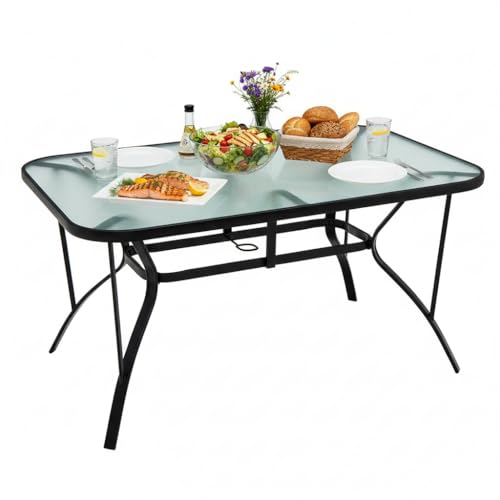
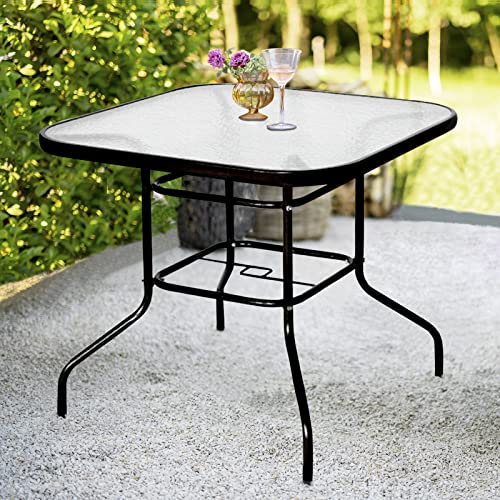
Rectangle Glass Patio Table with Umbrella Hole
Everything you need to know about choosing, using, and maintaining a rectangular glass-top patio table with a built-in umbrella hole — from sizing and materials to shade pairing and seasonal care.
Why this guide matters: A rectangle glass patio table with an umbrella hole is one of the most versatile outdoor furniture investments you can make. It anchors your dining area, provides a clean modern surface, and the integrated hole lets you add shade without a separate base. But the details matter — glass thickness, frame material, umbrella compatibility, and edge finishing all affect how well the table performs over time.
This guide walks you through the decision points that matter most, so you can choose a table that fits your patio, your household, and the way you actually entertain outdoors.
Why Choose a Rectangle Glass Patio Table with an Umbrella Hole
Rectangular glass patio tables occupy a sweet spot in outdoor design. The rectangular shape seats more people along a linear footprint, which makes it a natural fit for balconies, narrow decks, and long patios. Glass tops add a sense of openness — they reflect light, visually expand small spaces, and pair beautifully with both modern and transitional decor.
The umbrella hole is the practical feature that ties the whole setup together. Instead of buying a freestanding umbrella base that eats into floor space, the hole lets the umbrella pass through the table center. The canopy then covers the dining zone evenly, and guests can sit on all sides without a base in the way.
If you are still comparing table shapes, our guide to the rectangle patio dining table with umbrella hole covers broader shape and layout considerations that complement this glass-top focus.
Who this table style suits best
- Small and mid-size patios: the linear shape fits against railings and walls more efficiently than round tables of similar seating capacity.
- Al fresco diners: the smooth glass surface wipes clean easily after meals and resists staining from food and drinks.
- Sun-exposed spaces: a center umbrella provides direct overhead shade exactly where diners sit.
- Modern and minimalist decor: glass and metal frames keep the visual weight low.
Glass and Frame Materials Explained
The quality and longevity of a rectangle glass patio table with an umbrella hole depend on two components: the glass top and the frame. Understanding both helps you evaluate listings with confidence.
Glass top options
Most outdoor glass tabletops use tempered glass, which is heat-treated for safety and breaks into small, blunt fragments rather than sharp shards. Thickness varies by tier: entry-level tables often use thinner tempered panels, while mid-range and premium tables typically use thicker glass with polished or beveled edges. A beveled edge is worth noting because it softens the perimeter and reduces the chance of chipping during everyday use.
Some high-end tables use tinted or textured glass — for example, a subtle bronze tint or a rippled surface that hides smudges and water spots. Textured glass is practical for households with children because it masks fingerprints better than clear glass.
Frame materials
The frame carries the structural load, so its material and finish matter as much as the glass. Common options include:
- Powder-coated aluminum: lightweight, rust-resistant, and available in many colors. A solid choice for coastal or humid climates.
- Powder-coated steel: heavier and very stable, but requires a rust-proof finish to hold up outdoors long term.
- Cast aluminum: decorative detailing with good weight and durability. Often found on premium and commercial-grade tables.
- Wrought iron: traditional look with a heavy, stable feel. Best for covered patios where direct weather exposure is limited.
Whatever frame you choose, look for a weather-resistant coating and rust-proof finish — these two descriptors signal that the manufacturer has addressed outdoor durability. If you are coordinating seating, our guide to rattan patio furniture explores how woven materials pair with glass and metal tables.
Sizing and Seating Guide
Rectangular glass tables come in several standard footprints. The right size depends on how many people you typically seat and how much clearance your patio allows around the table.
| Table Size | Typical Seating | Best For |
|---|---|---|
| Small rectangle (roughly 4 seats) | 4 chairs | Balconies, compact decks, two-person households that host occasionally |
| Mid rectangle (6 seats) | 6 chairs | Family patios, regular outdoor dining, mid-size decks |
| Large rectangle (8 seats) | 8 chairs | Entertaining-focused patios, covered porches, large decks |
Beyond seat count, plan for at least 24 inches of clearance around the table so chairs can pull out comfortably. On narrow patios, a rectangular table placed parallel to the railing often works better than a round table because it preserves walking space on the long sides.
Also consider the umbrella footprint. The hole placement is usually centered, so the umbrella pole will sit at the table's midpoint. Make sure your chair arrangement leaves room for the pole without crowding the person seated nearest to it.
For a deeper look at pairing tables with matching seating, our guide to the rectangle patio table and chairs with umbrella covers coordinated sets and how to evaluate them.
Umbrella Compatibility and Shade Pairing
The umbrella hole is only useful if your umbrella fits it properly. Before purchasing a table, confirm the hole diameter and the recommended pole size. Most tables accept a pole of roughly 1.5 to 2 inches, but this varies by model — check the product specifications.
Choosing the right umbrella
- Canopy size: the umbrella canopy should extend past the table edge on all sides to provide real shade. A canopy that barely covers the tabletop leaves diners exposed at the sides.
- Shape pairing: for a rectangular table, a rectangular or square canopy gives the most even coverage. If you are exploring that route, our guide to the rectangular patio umbrella with LED lights covers options with integrated evening lighting.
- Base weight: even with a table hole, the umbrella needs a stable base — especially on windy patios. A heavier base is worth the investment for exposed locations.
- Tilt and crank mechanisms: mid-range and premium umbrellas often include crank lifts and tilt features that make it easier to adjust shade as the sun moves.
If your patio is windy or the table sits on an exposed corner, a cantilever umbrella may be a better shade solution — it uses an offset base instead of a center pole. Our overview of the rectangular cantilever umbrella with base explains when offset shade makes more sense than a through-table umbrella.
Advantages and Trade-offs
No table style is perfect for every situation. Here is an honest look at what a rectangle glass patio table with an umbrella hole does well and where it requires more attention.
Advantages
- Clean, modern look that visually opens up small spaces
- Smooth surface wipes clean quickly after meals
- Center umbrella hole provides even overhead shade
- Rectangular shape fits narrow patios efficiently
- Reflects light and pairs well with metal and rattan seating
Trade-offs
- Glass shows smudges and water spots more than solid tops
- Not ideal for households with very young children unless tempered
- Glass can chip at edges if chairs are pushed in roughly
- Requires a cover during winter or long unused periods
- Center pole limits legroom slightly for the seat nearest the hole
If the glass top gives you pause, a rectangular metal patio table with umbrella hole offers similar geometry with a more forgiving surface. Both styles work well with the same seating arrangements, so the choice often comes down to how you plan to use the table day to day.
Care, Cleaning, and Weatherproofing
A glass patio table stays attractive with a simple maintenance routine. The goal is to protect both the glass surface and the frame finish.
Routine cleaning
- Wipe the glass with a mild soap and water solution and a soft microfiber cloth.
- Avoid abrasive pads, steel wool, and ammonia-based cleaners that can cloud the surface.
- Dry the glass after cleaning to prevent water spots, especially in hard-water areas.
- Clean the frame with a damp cloth and dry it thoroughly to prevent moisture sitting in joints.
Seasonal protection
- Use a fitted patio table cover during winter or extended periods of non-use. This keeps debris off the glass and reduces frame corrosion.
- Remove the umbrella during storms and high-wind events to reduce stress on both the umbrella and the table hole.
- Check frame fasteners at the start of each season and tighten any that have loosened.
- Inspect the glass edges for chips — a small chip can spread if the glass is stressed, so address it early.
For a broader seasonal maintenance routine that covers all outdoor furniture, our weatherproofing guide walks through covers, sealants, and storage strategies in detail.
Pre-Purchase Checklist
Use this checklist to evaluate any rectangle glass patio table with an umbrella hole before you commit.
- Confirm the glass is tempered and note the thickness specification.
- Check whether the edge is polished or beveled for comfort and durability.
- Verify the frame material and look for a rust-proof finish.
- Measure your patio clearance and confirm the table leaves room for chairs to pull out.
- Check the umbrella hole diameter and confirm it matches your umbrella pole.
- Plan for an umbrella base that suits your wind exposure.
- Confirm the table ships with assembly hardware and clear instructions.
- Check the warranty terms for the glass and frame separately.
- Plan a cover purchase at the same time for seasonal protection.
Frequently Asked Questions
What size umbrella fits a rectangle glass patio table with an umbrella hole?
Most rectangular patio tables with an umbrella hole accommodate a pole diameter of roughly 1.5 to 2 inches. For balanced shade, choose a canopy that extends at least 24 inches beyond the table edge on all sides. Matching the umbrella shape to the table shape gives the most even coverage.
Is tempered glass safe for outdoor patio tables?
Yes. Tempered glass is the standard for quality outdoor tables because it is heat-treated and breaks into small, blunt fragments rather than sharp shards. Look for tables that specify tempered or safety glass, and use a cover during harsh weather to extend the glass lifespan.
How do I care for a glass patio table top?
Clean the glass with a mild soap and water solution and a soft cloth. Avoid abrasive pads and ammonia-based cleaners that can cloud the surface. Rinse and dry thoroughly, and use a fitted cover during winter or long periods of non-use to prevent debris buildup and frame corrosion.
Can I use a cantilever umbrella with a table that has an umbrella hole?
Yes, but you would not use the hole in that case — a cantilever umbrella uses an offset base and pole. The hole simply remains covered or unused. Some owners choose a cantilever umbrella for windy patios and keep the hole for future flexibility.
How many chairs fit around a rectangular glass patio table?
Small rectangular tables typically seat four, mid-size tables seat six, and large tables seat eight. Always plan for at least 24 inches of clearance around the table so chairs can pull out comfortably, and account for the center umbrella pole when arranging seating.
Ready to Compare Options?
Now that you understand glass types, frame materials, sizing, and umbrella pairing, you are ready to evaluate tables with confidence. Browse recommended rectangle glass patio tables with umbrella holes below.
Explore Recommended Tables