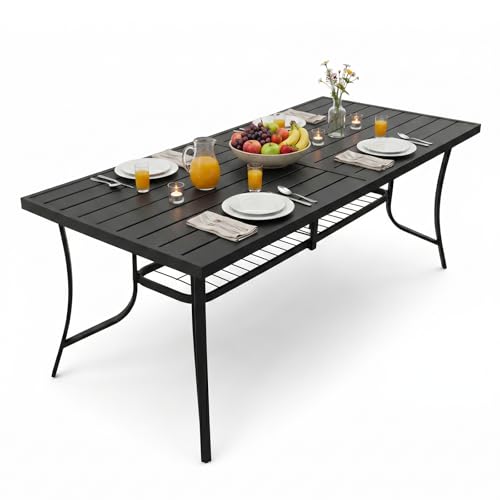
Rectangular Outdoor Dining Table With Umbrella Hole: The Complete Guide
Everything you need to choose a durable, well-proportioned rectangular patio dining table with a built-in umbrella hole — sizing, materials, shade pairing, and long-term care explained in plain language.
See Recommended OptionsWhy this shape works so well: A rectangular outdoor dining table with an umbrella hole is one of the most practical pieces you can add to a patio. The elongated surface seats more people comfortably than a round table of similar footprint, the umbrella hole lets you add shade without a separate freestanding base, and the shape aligns naturally with walls, railings, and rectangular decks. This guide walks you through the decisions that matter most so you can buy with confidence.
Why Choose a Rectangular Patio Dining Table With an Umbrella Hole?
The umbrella hole is the detail that separates a genuinely useful outdoor table from a decorative one. Instead of buying a separate umbrella stand that eats floor space and creates a tripping hazard, the table itself anchors the shade pole. That integration matters for three practical reasons: stability, usable surface area, and visual tidiness.
A central umbrella through the table also keeps the shade directly over the seating zone, which is exactly where guests sit during long lunches and evening dinners. For families who eat outside regularly, this is a meaningful upgrade over a freestanding canopy that shifts with the wind. If you plan to pair the table with a cantilever shade instead, our guide to the rectangular cantilever umbrella with base explains offset alternatives that free up the table surface entirely.
Choosing the Right Size and Seating Capacity
Size is the first decision, because it dictates how the table fits your patio and how many people can sit comfortably. As a general rule, allow roughly 24 inches of table edge per seated person, and leave at least 30 inches of clearance between the table edge and walls or railings so chairs can pull out without obstruction.
Compact (4–6 Seats)
Best for balconies, small decks, and couples who occasionally host. A narrower profile leaves walking room on tight patios.
Standard (6–8 Seats)
The most versatile tier. Long enough for family dinners, manageable enough for everyday use and seasonal storage.
Extended (8–10 Seats)
Ideal for large families and entertainers. Check the umbrella pole position carefully so shade stays centered over the seating.
If you expect to host larger gatherings, compare the fixed-length options with extendable models. Our overview of the rectangular patio dining sets covers complete table-and-chair combinations so you can match seating to the table length from the start.
Materials: What Each Option Means for Longevity
Outdoor tables live in sun, rain, and temperature swings, so material choice is the single biggest factor in how long the table stays attractive. Below is a comparison using tier descriptors rather than any numeric figures.
| Material | Tier Positioning | Best For | Key Considerations |
|---|---|---|---|
| Cast Aluminum | Mid-range to premium | Coastal and humid climates | Rust-proof finish, lightweight yet sturdy, low maintenance |
| Powder-Coated Steel | Entry-level to mid-range | Covered patios and porches | Heavy-duty feel; needs touch-ups if coating chips |
| Teak & Hardwood | Premium to luxury | Traditional and rustic settings | Weathers gracefully; benefits from periodic sealing |
| High-Density Resin | Essential tier | Casual family use | Lightweight, easy to move, solid entry choice |
| Glass-Top Frames | Balanced tier | Modern, contemporary patios | Easy to wipe clean; confirm the umbrella hole is factory-cut |
If you prefer a metal frame with a glass surface, the rectangle glass patio table with umbrella hole guide covers edge treatments and reinforcement around the hole, which is a common weak point on lower-quality builds. For a heavier, traditional look, the rectangular cast aluminum patio dining table offers a classic silhouette with good weather resistance.
What to Know About the Umbrella Hole Itself
The hole is a small feature with outsized importance. A well-engineered table reinforces the opening so the pole does not wobble, and positions it so the umbrella canopy centers over the seating rather than over one end. Consider these points before buying:
- Hole diameter: Most standard patio umbrellas use a pole that fits a hole sized between roughly 1.5 and 2 inches. Confirm the table's specification matches your umbrella pole, or plan to use a reducer ring.
- Reinforcement: Look for a metal collar or grommet around the hole. This prevents water intrusion into hollow frames and stops the opening from widening over time.
- Pole position: Centered holes suit standard market umbrellas. Offset holes can work with some cantilever designs, but always check the canopy footprint covers the whole table.
- Drainage: Some tables include a small drainage channel so rainwater does not pool around the pole. This is a helpful detail in wet climates.
If you already own a cantilever shade, the rectangular cantilever patio umbrella with lights pairs well with tables that have a hole you simply cap or leave empty, since the offset pole does the shading work.
Matching the Table to Your Patio Style
A dining table anchors the whole outdoor room, so it should harmonize with the surrounding furniture. A few pairings that work consistently well:
- Natural and relaxed: Pair a hardwood or resin table with woven seating such as a rattan patio set for a cohesive, breezy look.
- Modern and clean: A glass-top or slim-frame metal table sits nicely alongside minimalist lounge pieces.
- Classic and substantial: Cast aluminum tables suit traditional umbrella designs and heavier seating.
- Rustic and warm: Wooden tables pair naturally with benches and reclaimed materials.
For a deeper exploration of themes, our rectangular metal patio table with umbrella hole overview compares finish options that hold up in different climates.
Care and Maintenance for Long-Term Performance
A rectangular outdoor dining table with an umbrella hole will last considerably longer with a simple seasonal routine. None of these steps are complicated, but consistency matters more than intensity.
- Clean weekly during use season: Wipe the surface with mild soap and water. Avoid abrasive pads on glass and painted finishes.
- Inspect the hole collar: Check that the grommet or ring around the umbrella hole is intact. Replace worn collars to prevent water damage to the frame.
- Cover when idle: A fitted cover protects against UV fading and debris. Our guide to replacement cushion covers for rattan furniture also covers fabric care basics that apply to table-adjacent seating.
- Store the umbrella: Remove and store the umbrella during storms or off-season to reduce stress on the table hole and pole.
- Seasonal deep clean: Use a manufacturer-approved cleaner for the frame material and reseal wood surfaces as recommended.
If your existing table has cosmetic wear, replacement parts and covers are often more economical than a full replacement. Our replacement cushions for outdoor furniture hub covers fabric matching for the surrounding chairs so the whole set stays visually consistent.
A Quick Buying Checklist
- Measure your patio and confirm clearance for chair pull-out.
- Decide seating capacity and choose a length accordingly.
- Match table material to your climate and maintenance preference.
- Confirm the umbrella hole diameter matches your pole.
- Check for a reinforced collar and drainage around the hole.
- Verify the table ships with assembly hardware and clear instructions.
- Review the warranty terms for frame and finish coverage.
For a related shape comparison, our rectangle patio dining table with umbrella hole and rectangular outdoor coffee table with umbrella hole pages cover lounge-height and coffee-height variants of the same concept.
Frequently Asked Questions
Does every rectangular outdoor dining table include an umbrella hole?
No. Many models ship with a factory-cut hole, but some do not. If the hole is important to you, confirm it in the product specifications before ordering. Adding a hole after purchase is possible on some materials but is best avoided on glass and hollow metal frames.
Can I use a cantilever umbrella with a table that has a hole?
Yes. You can simply cap the hole or leave it empty and position the cantilever base beside the table. This arrangement keeps the table surface completely clear, which is ideal for serving large meals.
How many people fit at a standard rectangular table?
A standard-length rectangular table comfortably seats six to eight adults. Allow roughly 24 inches of edge space per person and remember that chairs need room behind them to pull out.
What is the most weather-resistant material?
Cast aluminum and high-grade resin tend to hold up best against moisture and sun, while hardwood such as teak weathers gracefully with periodic care. Powder-coated steel is durable but benefits from a covered location.
How do I keep the umbrella from wobbling in the table?
Use a reducer ring if the hole is slightly larger than the pole, and confirm the table includes a reinforced collar. A weighted umbrella base beneath the table also adds stability on windy days.