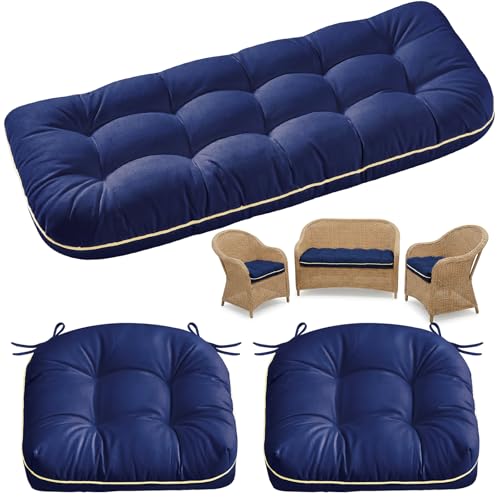
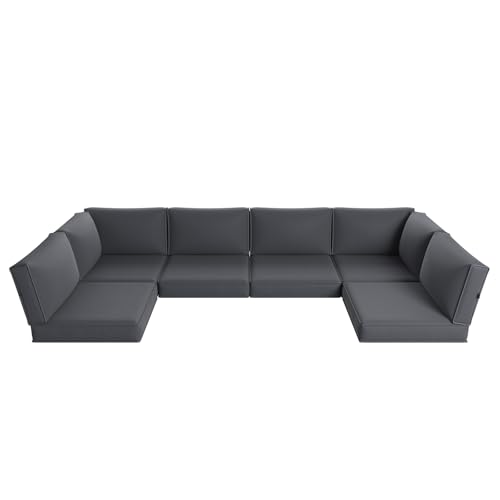
Replacement Cushions for Wicker Furniture: The Complete Buying Guide
Everything you need to refresh worn wicker seating — how to measure correctly, choose the right fabric, match cushion styles, and extend the life of your outdoor furniture.
Why this guide matters: Wicker frames are built to last for years, but their cushions take the brunt of sun, rain, and daily use. If your cushions are flattened, faded, or mildewed, replacing them is far more sensible than buying new furniture. This guide walks you through every decision — from measuring your seat to selecting outdoor-rated foam and fabric — so you can order replacement cushions for wicker furniture with confidence.
When Is It Time to Replace Wicker Cushions?
Cushion foam has a finite life. Even well-made outdoor cushions lose resilience after several seasons of compression and moisture exposure. Here are the most common signals that a replacement is due:
- Permanent compression: the seat no longer springs back after you stand up.
- Uneven fading: sun-exposed areas look noticeably lighter than shaded areas.
- Seam separation: stitching is splitting or the zipper has failed.
- Persistent mildew odor: cleaning no longer removes the smell.
- Visible sagging: the foam has collapsed and the cover wrinkles.
- Style mismatch: the frame is fine but the cushion color no longer suits your outdoor design.
If the wicker frame itself is still structurally sound, replacement cushions are the most efficient way to restore comfort and appearance. For frames that are cracking or loosening, it may be better to consider a new rattan patio set instead.
Measuring Your Wicker Furniture for New Cushions
Accurate measurements are the single biggest factor in a successful order. Because wicker furniture comes in many shapes — loveseats, armchairs, swivel chairs, and daybeds — the cushion dimensions vary widely. Always measure the existing cushion rather than the frame whenever possible.
Key dimensions to record
- Seat width: across the widest point of the seat.
- Seat depth: from the front edge to the back edge of the seat surface.
- Thickness: the foam height, usually measured at the center.
- Back height and width: if the cushion is a two-piece seat-and-back set.
- Corner radius: for rounded or curved wicker seats.
Standard vs. custom sizes
Many wicker chairs are produced in standard sizes, but curved and deep-seat models often require custom or modular cushions. If you own a curved outdoor sofa or a round daybed, look for cushions specifically designed for curved frames, as standard rectangular cushions will not conform properly.
Cushion Types for Wicker Furniture
| Type | Best For | Notes |
|---|---|---|
| Seat cushion only | Dining chairs, benches, simple armchairs | Easiest replacement; measure seat width, depth, and thickness. |
| Seat + back set | Lounge chairs and sofa-style wicker seating | Look for sets sold as a matched pair to avoid color mismatch. |
| Curved cushions | Round daybeds, curved sofas, barrel chairs | Requires frame-specific sizing; check corner radius carefully. |
| Wraparound / deep-seat | Swivel rockers and deep lounge chairs | Thicker foam improves support; verify the frame's seat depth. |
| Cushion covers only | Frames where foam is still intact | A lower-effort refresh option when foam is sound but fabric is worn. |
If your foam is still firm but the fabric is deteriorating, replacement cushion covers for wicker furniture can be a practical route. If both foam and fabric are tired, a full cushion set is the better long-term choice.
Fabric and Foam: What to Look For
Outdoor fabric tiers
- Entry-level: polyester blends — adequate for covered porches and mild climates.
- Mid-range: olefin and acrylic blends — good fade and moisture resistance for everyday patios.
- Premium / high-end tier: solution-dyed acrylic with UV stabilization and water-repellent finish — the most durable choice for exposed, sun-heavy spaces.
For fully exposed patios, solution-dyed acrylic is the most reliable option. It holds color under prolonged UV exposure and dries quickly after rain. If your wicker furniture sits under a pergola or covered porch, mid-range olefin blends are a solid, well-specified choice.
Foam considerations
- Quick-dry foam: open-cell structure lets water drain; essential for uncovered patios.
- High-density foam: retains shape longer and provides better support — often found in premium-tier cushions.
- Foam + fiber wrap: softer feel with a tailored look; common in lounge seating.
Higher density foam resists compression better than basic foam, which is why premium cushions tend to feel firmer and last longer. Look for descriptions that mention quick-dry cores if your furniture is exposed to rain.
Matching Cushions to Your Wicker Style
Wicker and rattan frames pair naturally with earthy tones, neutral sand and ivory palettes, and textured weaves. When choosing replacement cushions, consider the overall outdoor design:
- Natural rattan look: cream, taupe, and sage cushions keep the organic feel.
- Dark synthetic wicker: charcoal, navy, or deep green cushions add contrast.
- Coastal style: white and soft blue cushions brighten the space.
- Modern minimalist: a single neutral tone with clean piping looks intentional.
If you are redecorating the whole seating area, reviewing your rattan outdoor furniture layout first helps ensure the new cushions harmonize with the frame finish and surrounding decor.
How to Care for Replacement Cushions
- Brush off debris weekly with a soft brush to prevent dirt from working into the weave.
- Spot clean with mild soap and water; avoid harsh bleach on solution-dyed acrylic.
- Air dry upright after rain so water drains from the quick-dry core.
- Store during off-season in a dry, ventilated space to prevent mildew.
- Rotate cushions periodically for even wear and fading.
Good care habits can add seasons to the life of your cushions. Pairing them with a fitted cover during long stretches of bad weather is a worthwhile investment in the long run.
Common Mistakes to Avoid
- Ordering by frame size instead of measuring the cushion itself.
- Choosing indoor fabric for an uncovered patio.
- Ignoring corner radius on curved wicker seats.
- Mixing cushion sets from different production runs and expecting an exact color match.
- Using thick cushions on dining chairs, which can raise the seat height uncomfortably.
Frequently Asked Questions
How do I measure wicker furniture for replacement cushions?
Measure the existing cushion's width, depth, and thickness, plus the back height if applicable. Use a soft tape measure, record to the nearest half inch, and compare against the product's listed dimensions before ordering.
What fabric is best for outdoor wicker furniture cushions?
Solution-dyed acrylic and olefin are the most common outdoor fabrics because they resist fading, moisture, and mildew. Polyester blends are a mid-tier option, while high-end tier fabrics often include acrylic with a water-repellent finish and UV stabilization.
Can I use indoor cushions on wicker patio furniture?
Indoor cushions can fit, but they usually lack UV resistance and quick-dry foam, so they degrade faster in sun and rain. For covered porches they may work, but for exposed patios choose cushions labeled for outdoor use.
How often should wicker furniture cushions be replaced?
Most outdoor cushions last three to five seasons depending on sun exposure and storage habits. Replace them when the foam compresses permanently, the fabric fades unevenly, or seams begin to split.