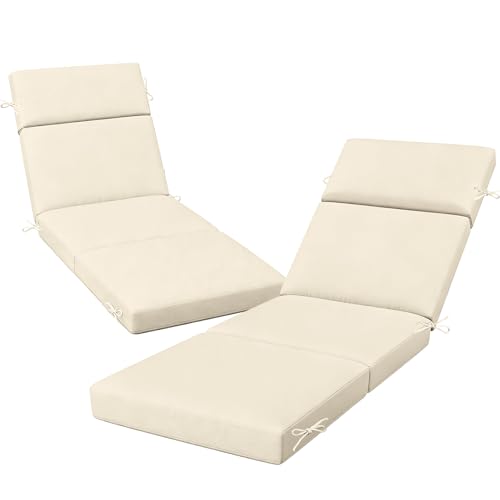
Replacement Outdoor Lounge Chair Cushions
Everything you need to know before refreshing your patio lounger — from measuring the seat and choosing the right foam density to selecting weather-ready fabrics and attachment systems that hold up season after season.
Why replacement cushions matter: The frame of a quality outdoor lounge chair can last for many years, but the cushions take the brunt of sun, rain, and daily use. Replacing just the cushions is one of the most efficient ways to restore comfort and update the look of your patio without replacing the entire chair. This guide walks you through every decision point so you can order with confidence.
When Should You Replace Your Lounge Chair Cushions?
Outdoor cushions degrade gradually, so the decline is easy to overlook until sitting becomes uncomfortable. Watch for these signals that it is time for a fresh set:
- Flattened or compressed foam that no longer springs back after you stand up, leaving a visible depression in the seat.
- Fabric fading, fraying, or thinning where the weave has become translucent or the color has washed out from UV exposure.
- Persistent mildew or odor that remains after cleaning, often a sign that moisture has penetrated the foam core.
- Torn seams or broken zippers that expose the filling and accelerate further damage.
- Broken ties or straps that let cushions slide out of position on windy days.
- Staining that will not lift from tree sap, bird droppings, or spilled drinks.
If your chair uses a sling-style seat rather than a removable cushion, the repair path is different — explore replacement material for outdoor lounge chairs or replacement sling for patio chaise lounge before deciding on cushions. If your chair is a chaise rather than a standard lounger, the cushion shape and attachment points differ, so compare options carefully.
How to Measure for Replacement Cushions
Accurate measurements are the single biggest factor in a successful cushion replacement. A cushion that is even an inch too wide will bunch at the arms and wear out faster, while one that is too narrow will slide and expose the frame.
The Four Core Measurements
- Seat width: Measure the clear distance between the chair's side rails or arms at the widest point of the seat.
- Seat depth: Measure from the front edge of the seat to the backrest frame, following the contour of the seat if it slopes.
- Cushion thickness: Note the thickness of the existing cushion, or the maximum thickness the chair frame can accommodate without interfering with the backrest.
- Back height and width: For high-back loungers, measure the backrest panel separately since many cushions are sold as a two-piece set with different dimensions for seat and back.
Attachment Points and Shape Details
Before ordering, photograph the chair from above and from the side. Note where the original cushion ties, straps, or hook-and-loop strips connected to the frame. If your chair has a rounded or tapered seat, look for cushions described as "contoured" or "T-shaped" rather than standard rectangles. For chairs with curved backs, a two-piece seat-and-back set usually fits better than a single long cushion.
Pro tip: Measure twice — once with the chair on a flat surface and once in its normal position. Slight frame flex can change the effective seat dimensions, especially on resin or wicker loungers. If you are also refreshing the dining chairs on the same patio, the measuring approach for replacement outdoor dining chair cushions follows the same logic but with different typical shapes.
Choosing the Right Cushion Materials
The cover fabric and the foam core work as a system. A premium fabric over cheap foam will still flatten quickly, and dense foam wrapped in a thin, non-breathable cover will trap moisture. Match both components to your climate and usage.
Cover Fabrics
- Solution-dyed acrylic: The gold standard for fade resistance. The color is locked into the fiber itself, so it holds up to years of direct sun. Typically found on premium and luxury tier cushions.
- Olefin (polypropylene): Naturally moisture-resistant and quick-drying, with good colorfastness. Common in mid-range and high-end tier cushions.
- Polyester blends: Entry-level and essential tier cushions often use treated polyester. It performs well for a few seasons but fades faster under intense UV.
- Acrylic-coated or PVC-backed fabrics: Offer strong water resistance but can feel less breathable in hot, humid climates.
Foam and Fill Types
- Open-cell quick-dry foam: The preferred core for outdoor cushions because water drains through rather than pooling. Mid-range and premium cushions typically use this with densities around 2.5 to 4 pounds per cubic foot.
- High-resilience (HR) foam: Bounces back reliably and resists compression over time. Found in top-tier and professional-grade outdoor cushions.
- Polyester fiber fill: Soft and light but compresses quickly; usually reserved for back cushions rather than seats.
- Memory foam blends: Comfortable but slow to drain, so best for covered porches rather than fully exposed patios.
Comparing Cushion Tiers at a Glance
Rather than focusing on numbers, use this tier framework to understand what each class of replacement cushion typically delivers. The right tier depends on how much sun and rain your patio receives and how many seasons you expect the cushion to last.
| Tier | Typical Fabric | Foam Core | Best For |
|---|---|---|---|
| Entry-level / essential tier | Treated polyester, basic olefin | Standard polyurethane foam | Covered porches, short-season use, occasional seating |
| Mid-range / balanced tier | Olefin or acrylic blend | Open-cell quick-dry foam | Everyday patio use in mixed climates |
| Premium / high-end tier | Solution-dyed acrylic | High-resilience quick-dry foam | Full-sun patios, daily use, multi-season durability |
| Luxury / professional-grade | Heavyweight solution-dyed acrylic with water-repellent finish | Dense HR foam with drainage channels | Resort-style loungers, commercial or high-exposure settings |
If your chair uses a mesh seat rather than a solid platform, cushion compatibility changes — review replacement mesh for outdoor lounge chairs to understand how mesh interacts with cushion underlayers. For waterproofing options specifically, see replacement waterproof cushions for outdoor furniture.
Fit, Attachment, and Stay-Put Features
A cushion that shifts every time someone sits down wears unevenly and looks messy. Look for these features to keep cushions anchored:
- Reinforced ties: Fabric ties sewn into the cushion with bar-tack stitching at the attachment point hold up far better than glued-on ties.
- Hook-and-loop straps: Common on contoured lounger cushions; they wrap around the frame and resist wind lift.
- Elastic bands with clips: Useful for chaise-style loungers where the cushion spans a long seat.
- Non-slip backing: Some premium cushions include a grip-textured underside that reduces sliding without visible straps.
- Zippered covers: Allow you to remove and wash the cover, and to replace the foam insert later if needed.
Check the number and position of attachment points on your chair frame before ordering. A cushion designed for a three-tie chair will not sit correctly on a frame with only two anchor points. If your lounger is part of a larger sectional arrangement, the fit considerations for replacement outdoor cushions for sectional pieces are similar but involve more complex corner shapes.
Weatherproofing and Long-Term Care
Even the best cushions benefit from a simple maintenance routine. These habits extend usable life significantly:
- Brush off debris weekly so dirt does not work into the weave and abrade the fibers.
- Clean with mild soap and water rather than harsh detergents, which can strip water-repellent finishes.
- Stand cushions on edge after rain to let water drain and air circulate through the foam.
- Store or cover cushions during off-seasons and during extended wet weather.
- Rotate cushions periodically if your loungers sit in uneven sun exposure.
If the fabric itself is failing but the foam is still good, you may be able to re-cover rather than replace — see replacement fabric for patio lounge chairs and replacing outdoor chair fabric for the re-covering path. For chairs with woven or sling seats, replacement fabric for sling lounge chairs covers the alternative approach.
Common Mistakes to Avoid
- Ordering by chair name only. Two chairs with the same model name can have different cushion dimensions across production years. Always measure.
- Ignoring foam density. A beautiful cover over low-density foam will flatten within one season.
- Choosing a non-breathable cover for a humid climate. Trapped moisture leads to mildew even in water-resistant fabrics.
- Forgetting the back cushion. Many replacement sets include both seat and back; buying only the seat leaves a mismatched, faded back panel.
- Skipping the attachment check. Count the ties and straps on your frame before ordering.
- Discarding the old cushion before the new one arrives. Keep the original as a measurement reference until the replacement is confirmed to fit.
If your lounger has a metal frame and you are also considering seat replacement, replacement seats for metal outdoor chairs explains when a full seat swap makes more sense than a cushion refresh.
Frequently Asked Questions
Can I use indoor cushions on an outdoor lounge chair?
Indoor cushions are not designed for UV exposure or moisture. They fade quickly, absorb water, and can develop mildew within a single wet season. Always choose cushions labeled for outdoor use with quick-dry foam and weather-resistant covers.
How do I know if my cushion needs a single-piece or two-piece replacement?
Look at the original cushion. If the seat and back are joined at a hinge seam, you need a one-piece replacement. If they are separate pieces, order a two-piece set. Contoured loungers with a continuous curve often use a single long cushion.
Are replacement cushions available for discontinued chair models?
Often yes, through aftermarket cushion makers who produce generic sizes. Measure carefully and choose a cushion that matches your seat dimensions within about half an inch. Universal-fit cushions with adjustable ties are a practical fallback for discontinued frames.
How should I clean mildew from outdoor cushions?
Mix a solution of mild soap and water with a small amount of white vinegar, scrub gently with a soft brush, and rinse thoroughly. Allow the cushion to dry completely on edge in direct sun. Avoid chlorine bleach, which can weaken the fabric and strip protective finishes.
Should I replace the foam insert or the whole cushion?
If the cover is still in good condition and has a working zipper, replacing just the foam insert is a practical option. If the cover is faded, torn, or the zipper has failed, replacing the complete cushion is usually the better long-term choice.
Ready to Refresh Your Lounge Chair?
Browse our curated selection of replacement outdoor lounge chair cushions below, filtered for weather resistance, foam quality, and reliable attachment systems.
View Recommended Cushions