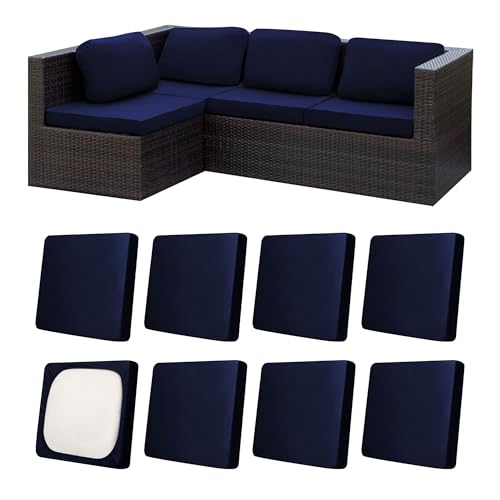
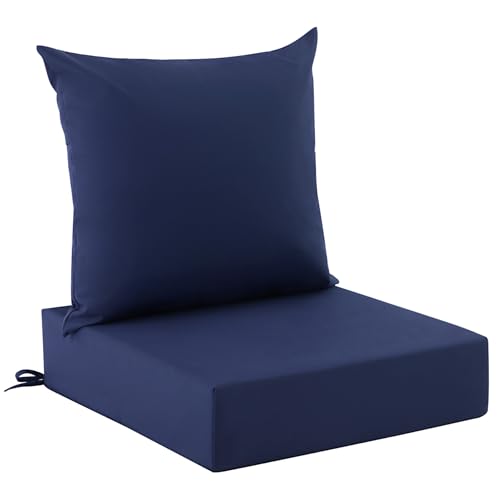
Replacement Waterproof Cushions for Outdoor Furniture
Everything you need to know before buying replacement cushions: waterproof materials, correct measurements, foam density, cover care, and how to match new cushions to your existing patio set.
Why this guide matters: Faded, flattened, or waterlogged cushions are the most common reason homeowners replace patio seating. This guide helps you choose replacement waterproof cushions that fit properly, resist moisture, and stay comfortable through multiple seasons — so you can restore your outdoor furniture instead of replacing the whole set.
Why Replace Cushions Instead of Furniture
Patio frames are usually the most durable part of an outdoor seating set. Powder-coated aluminum, wrought iron, and resin wicker frames can outlast their cushions by many years. When the upholstery starts holding water, growing mildew, or losing its shape, replacing the cushions is often the most efficient way to restore the furniture.
Replacement cushions also give you a chance to upgrade. Many original cushions use basic open-cell foam with a thin cover, while aftermarket options include closed-cell foam, drainage channels, and solution-dyed acrylic covers. This means the new cushions can be more water-resistant and more comfortable than the originals.
- Preserve a solid frame: metal and resin frames rarely fail before the upholstery does.
- Refresh the look: new covers update the color and style of the whole seating area.
- Improve comfort: higher-density foam and thicker profiles reduce sagging and pressure points.
- Better moisture control: modern waterproof fabrics and drainage-friendly foam dry faster.
What Makes a Cushion Truly Waterproof
The word "waterproof" is used loosely in outdoor furniture listings. In practice, most cushions are water-repellent rather than fully waterproof. Understanding the difference helps you set realistic expectations and choose the right product for your climate.
Cover Fabrics
- Solution-dyed acrylic: color is dyed into the fiber, so it resists fading and holds up well to sun and rain. Often treated with a water-repellent finish.
- Olefin (polypropylene): naturally moisture-resistant, dries quickly, and is common in mid-range outdoor cushions.
- Polyester with PU backing: a polyurethane layer on the back of the fabric blocks water from passing through. Entry-level to mid-range covers often use this construction.
- PVC or vinyl-faced fabric: the most water-resistant option, easy to wipe clean, but can feel less breathable in hot weather.
Foam and Fill
- Closed-cell foam: does not absorb water, making it the best choice for uncovered patios and rainy climates.
- Open-cell foam with a waterproof wrap: comfortable and widely available, but relies on the cover and inner liner to keep water out.
- Fiber fill: soft and light, but compresses over time and holds moisture if the cover fails.
- Drainage channels: some premium cushions include perforated foam or mesh vents that let water escape instead of pooling.
Seams Matter as Much as Fabric
Water usually enters through stitching, not through the fabric itself. Look for sealed, taped, or welded seams on premium cushions. On mid-range cushions, a welted seam slows water penetration but is not fully waterproof. If your patio is fully exposed to rain, prioritize sealed seams and closed-cell foam.
Measuring Your Furniture for Replacement Cushions
Fit is the single biggest reason replacement cushions get returned. Outdoor furniture does not follow one universal sizing standard, and two chairs that look identical can have different seat dimensions. Measure carefully before you order.
- Measure the seat width and depth at the widest points, not at the frame edges. If the seat tapers, measure both the front and back widths.
- Measure the cushion thickness of the original cushion, if you still have it. A replacement that is much thicker may prevent the chair from folding or may not fit under a table.
- Measure back cushions separately. Record height and width, and note whether the back cushion is attached with ties, a sleeve, or hook-and-loop strips.
- Check for shaped or proprietary seats. Wicker sectionals, barrel chairs, and swivel chairs often use curved or rounded cushions that standard sizes will not fit.
- Compare finished dimensions, not packaging dimensions. Product listings sometimes quote compressed or pre-expansion sizes. Look for the finished, filled measurement.
Comparing Cushion Tiers
Outdoor cushions are usually grouped into three broad tiers. Instead of quoting specific figures, it helps to understand what each tier typically delivers in materials, construction, and lifespan.
| Tier | Typical Cover | Typical Fill | Best For |
|---|---|---|---|
| Essential tier | Polyester with light water-repellent finish | Open-cell foam, standard density | Covered porches and seasonal use |
| Balanced tier | Olefin or acrylic blend, PU backing | Higher-density foam with inner liner | Mixed sun and rain, regular family use |
| Top-tier | Solution-dyed acrylic or PVC-faced, sealed seams | Closed-cell or drainage-channel foam | Fully exposed patios and long-term use |
A common mistake is buying entry-level cushions for an uncovered patio. They may look fine in the first season, but open-cell foam that gets soaked repeatedly loses its rebound and develops odor. Conversely, a balanced-tier cushion is usually the right choice for a covered deck where rain only occasionally reaches the seating.
Matching Cushions to Your Furniture Type
Different patio furniture types place different demands on replacement cushions. The table below summarizes the most important considerations for common seating categories.
| Furniture Type | Key Consideration | Suggested Tier |
|---|---|---|
| Dining chairs | Thin profile so chairs tuck under the table; ties or grip dots to stop sliding | Balanced tier |
| Lounge chairs and chaise lounges | Longer seat depth, UV resistance, quick-drying fill | Balanced to top-tier |
| Sectionals and sofas | Consistent color across multiple pieces; modular shapes | Balanced to top-tier |
| Wicker and rattan seating | Curved or contoured seat shapes; often proprietary dimensions | Balanced tier |
| Metal and wrought iron chairs | Grip on smooth metal seats; ties recommended | Essential to balanced tier |
Waterproof Cushion Care and Storage
Even the best waterproof cushions last longer with basic care. Most failures come from trapped moisture rather than sun exposure, so airflow and drying are the priorities.
- Shake out and stand cushions on edge after rain so water drains and air reaches the seams.
- Clean with mild soap and water rather than harsh detergents, which can strip water-repellent finishes.
- Reapply fabric protectant once per season on acrylic and olefin covers to restore water beading.
- Store cushions indoors or in a ventilated deck box during long periods of rain, snow, or freezing temperatures.
- Inspect seams annually for pulled stitching or cracked PU backing; small repairs prevent foam saturation.
Do Not Seal Cushions in Plastic
Wrapping cushions in plastic bags traps condensation and encourages mildew. Use breathable covers or a ventilated storage box instead. If cushions are already damp, let them dry fully in the shade before storing.
When to Replace the Covers Only
If your foam is still firm and the zippers are intact, replacing only the covers can be a practical option. This is especially useful for furniture with proprietary cushion shapes where complete replacements are hard to source.
- Choose covers only when the foam springs back quickly, has no odor, and shows no crumbling or saturation.
- Replace the full cushion when the foam stays compressed after you press it, feels heavy after rain, or has visible mold inside the liner.
- Check zipper quality — replacement covers with plastic coil zippers are easier to remove for washing than metal zippers that corrode.
Frequently Asked Questions
What makes a replacement outdoor cushion waterproof?
A waterproof replacement cushion typically uses a tightly woven synthetic cover with a polyurethane backing plus a moisture-resistant or closed-cell foam core. Look for covers described as water-repellent with taped or sealed seams, and foam that drains quickly rather than absorbing water.
How do I measure my patio furniture for replacement cushions?
Measure the seat width, depth, and cushion thickness at the widest points, then measure the backrest height and width separately for back cushions. Check whether your furniture uses a standard size or a proprietary shape, and compare your measurements to the cushion's finished dimensions rather than the packaging.
How long do waterproof outdoor cushions last?
Entry-level cushions with thin foam and basic covers often last two to three seasons with regular use. Mid-range and premium cushions with solution-dyed acrylic or olefin covers and higher-density foam typically last five to seven years or more when stored properly during harsh weather.
Can I replace only the cushion covers?
Yes, if your existing foam is still firm and intact, replacing just the covers can refresh the look while keeping the same fit. This works best when the original manufacturer or a third party offers covers in your exact dimensions.
Should I store waterproof cushions outdoors year-round?
Even waterproof cushions benefit from being brought inside or into a dry storage box during prolonged rain, snow, or freezing temperatures. Waterproofing slows moisture penetration but does not prevent mold growth in seams and foam over time.
Ready to compare specific cushion styles for your seating? Explore our related replacement guides for sectional sofas, dining chairs, and lounge chairs to match the right dimensions and materials to your furniture.