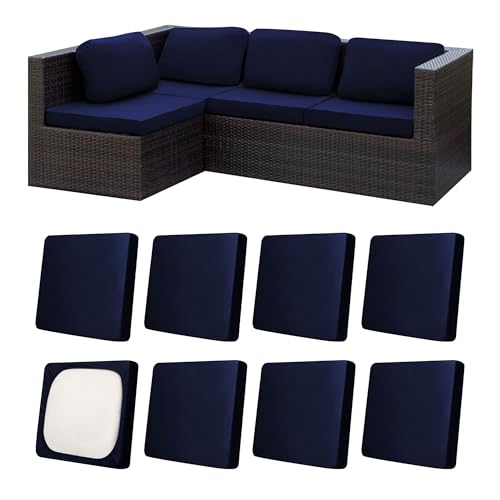
Replacement Seat Covers for Outdoor Furniture
Refresh worn patio seating without replacing the frame. This guide explains how to match fabric, fit, and attachment style so your outdoor chairs and benches look and feel new again.
Explore Recommended OptionsWhy this matters: A sound patio frame can outlast several sets of cushions. Choosing the right replacement seat covers restores comfort, protects your investment, and keeps your outdoor space welcoming — provided you match the cover to your seating dimensions and climate.
Why Replace Seat Covers Instead of Buying New Furniture
Outdoor seating takes a beating from sun, rain, and daily use. Fabric fades, seams split, and foam compresses long before a metal or hardwood frame shows meaningful wear. Replacement seat covers address the most visible and most tactile part of the furniture — the surface you actually sit on — while leaving the structural components untouched.
This approach suits several common situations: a set that still feels solid but looks tired, cushions that have become stained beyond cleaning, or a style refresh where a new color or texture would better suit a redesigned patio. It also helps when one or two seats wear faster than others, since individual covers can be swapped without touching the rest of the set.
Before ordering, confirm that the frame and support structure are in good condition. If the seat deck is sagging or the frame is bent, a new cover will not correct the underlying issue. For frames with sling-style seats, a different approach applies — see our guide to replacement seats for metal outdoor chairs and the broader overview of replacement seat fabric for outdoor furniture.
Key Features to Evaluate Before You Buy
Fabric & Weather Resistance
Solution-dyed acrylic and high-grade polyester blends resist fading and mildew. Look for explicit outdoor ratings rather than indoor upholstery labels.
Fit & Dimensions
Measure width, depth, and cushion thickness. A cover that is slightly loose will wrinkle and trap water; one that is too tight strains seams.
Attachment Style
Elastic bands, hook-and-loop straps, zippers, and tie-backs each suit different frames. Match the attachment to how your cushion sits on the chair.
Closure & Construction
Reinforced stitching, double-stitched seams, and quality zippers extend service life. Check whether the cover is a full enclosure or a slip-on shell.
Foam & Padding Support
Some covers include a new foam core; others are shells only. If your existing foam is compressed, pair the cover with fresh padding or a full cushion.
Care & Cleaning
Machine-washable covers simplify maintenance, but hand-wash-only premium fabrics often last longer. Check the care label before committing.
Comparing Cover Materials
Fabric choice drives durability, comfort, and maintenance effort. The table below groups common options by tier and typical use so you can align the cover with your climate and how often the furniture is used.
| Tier | Typical Material | Best For | Considerations |
|---|---|---|---|
| Entry-level | Standard polyester, basic canvas | Covered porches, seasonal use, quick refresh | Lighter UV resistance; may need more frequent cleaning and rotation |
| Mid-range | Solution-dyed polyester blends, acrylic blends | Year-round patios with moderate sun exposure | Better color retention and water repellency; reinforced seams common |
| Premium | Solution-dyed acrylic, high-grade performance weaves | Full-sun decks, coastal or humid climates | Strong fade and mildew resistance; usually hand-wash or gentle cycle |
| Luxury / Commercial-grade | Heavy-duty acrylic, specialized marine-grade fabrics | High-traffic patios, hospitality settings, prolonged exposure | Exceptional durability and colorfastness; heavier hand and slower drying |
If your seating uses a mesh or sling construction rather than a removable cushion, the correct replacement path differs. Review the options in replacement mesh seats for patio furniture and replacement material for sling back chairs to compare construction styles before choosing covers.
How to Get the Fit Right
Most returns on replacement covers stem from measurement mismatches. Follow a simple sequence to reduce that risk:
- Measure the existing cushion or seat pad at its widest points: width, depth, and thickness. Do not measure the chair frame alone.
- Note the cushion shape — square, rounded, trapezoidal, or contoured. Covers built for a different profile will wrinkle or gap.
- Identify the attachment method. If your chair uses ties, ensure the replacement includes ties or a compatible strap system.
- Check whether the cover is a full cushion replacement or a slip-on shell that requires existing foam.
- Confirm the cover is intended for the seat type — dining chair, lounge chair, bench, or bar stool — because proportions differ.
For related seating categories, the same measurement discipline applies. Our guides on replacement outdoor dining chair cushions and replacement outdoor lounge chair cushions break down category-specific sizing considerations. If your set includes a sectional, review replacement outdoor cushions for sectional seating to match covers across connected pieces.
Attachment Styles and What They Suit
Attachment method affects how securely the cover stays put and how easy it is to remove for cleaning. Elastic corners work well on compact dining chairs and bistro seats, while hook-and-loop straps suit deeper lounge cushions. Zippered enclosures provide full coverage and are common on higher-tier covers designed for long-term outdoor exposure. Tie-backs remain popular on benches and chairs with exposed frames because they accommodate a range of cushion depths.
For seating that requires a specific attachment, matching the original design is the safest route. Chairs with contoured seats may need covers designed for their profile; see replacement seats for wrought iron patio chairs and replacement seats for outdoor bar stools for examples of shape-specific options.
Care and Maintenance for Longer Service Life
Even premium fabrics benefit from routine care. Brush off loose debris weekly, spot clean spills promptly with mild soap and water, and allow covers to dry fully before replacing them on the frame. Rotate cushions periodically so wear and sun exposure are distributed evenly. During extended off-season storage, clean and dry covers thoroughly before storing them in a breathable container.
If your priority is moisture protection during rainy seasons, pair seat covers with water-resistant cushion cores — our guide to replacement waterproof cushions for outdoor furniture covers the relevant construction details. For fabric-specific care routines, the overview of replacement seat material for patio chairs provides additional context on how different weaves respond to cleaning.
Ready to Refresh Your Patio Seating?
Browse recommended replacement seat covers selected for durability, fit, and weather resistance. Compare options and choose the tier that matches your climate and usage.
View Recommended ProductsFrequently Asked Questions
How do I know if replacement seat covers will fit my outdoor furniture?
Measure the seat width, depth, and thickness of your existing cushion or seat pad, then compare those measurements against the cover's listed dimensions. Pay attention to whether the cover is designed for a full cushion replacement or a slip-on style, and check the attachment method so it matches your frame.
What is the most durable fabric for outdoor seat covers?
Solution-dyed acrylic and high-grade polyester blends are widely regarded as the most durable options because they resist fading, moisture, and mildew. Mid-range and premium covers typically use these fabrics with reinforced stitching for longer service life.
Can I use indoor seat covers on outdoor furniture?
It is not recommended. Indoor fabrics usually lack UV resistance and water repellency, so they deteriorate quickly when exposed to sun and rain. Always choose covers explicitly labeled for outdoor use.
How should I clean replacement seat covers for outdoor furniture?
Most outdoor covers can be spot cleaned with mild soap and water, then rinsed and air dried. Check the manufacturer's care label, because some premium fabrics allow machine washing on a gentle cycle, while others require hand washing only.
When should I replace the seat covers instead of the whole furniture set?
If the frame remains structurally sound and the cushions still provide support, replacing just the covers is a practical refresh. New covers restore appearance and hygiene while extending the life of the existing furniture.
Tip: Before finalizing any purchase, confirm the cover's dimensions against your actual seat measurements and verify the return policy for fit-related exchanges.