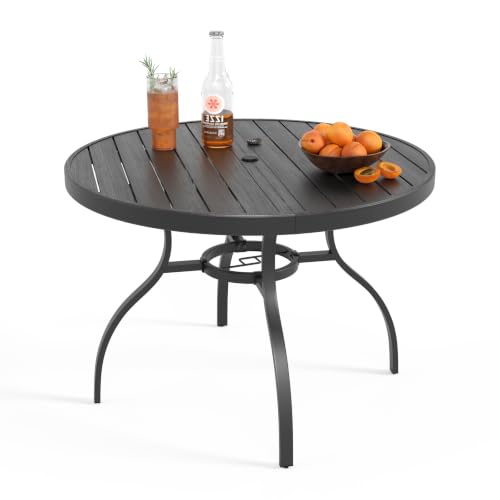
Round Plastic Patio Table with Umbrella Hole: The Complete Buyer's Guide
Everything you need to know about choosing a durable, weather-ready round plastic patio table with a built-in umbrella hole for your outdoor space.
Why this guide matters: A round plastic patio table with an umbrella hole solves two common outdoor needs at once — a stable surface for dining and a dedicated anchor point for shade. This guide breaks down materials, sizing, stability, and care so you can decide with confidence before you shop.
What Is a Round Plastic Patio Table with Umbrella Hole?
A round plastic patio table with umbrella hole is a molded outdoor table designed with a circular top and a pre-drilled center opening that accepts a patio umbrella pole. The plastic construction — typically high-density polyethylene (HDPE), polypropylene, or resin — makes it resistant to moisture, rot, and many common outdoor hazards. The round shape is a deliberate design choice: it improves conversational flow, eliminates sharp corners in tight spaces, and distributes weight evenly across the base.
These tables are widely used on balconies, decks, patios, and poolside areas. If you are still comparing shapes and configurations, our broader guide to round patio tables covers the full category, while this page focuses specifically on the plastic variant and its umbrella-hole feature.
Key Benefits of Plastic Construction
Plastic is not a compromise material — it is a deliberate engineering choice for outdoor furniture. Here is what makes it work:
Weather Resistance
HDPE and resin tables resist rain, humidity, and temperature swings without swelling, warping, or rotting like untreated wood.
Low Maintenance
A damp cloth and mild soap handle most cleaning. No sealing, staining, or oiling is required to keep the surface serviceable.
Lightweight Handling
Plastic tables are easier to reposition, store, and move than metal or solid wood equivalents of the same footprint.
Rust-Free
No ferrous components means no rust staining on decks or patios, provided hardware and inserts are also corrosion-resistant.
Why the Umbrella Hole Matters
The umbrella hole is more than a convenience — it is a structural feature that determines how well your shade solution performs. A table-mounted umbrella is anchored by the table itself, which reduces the need for a separate weighted base in calm conditions. That said, the table's stability under wind load depends on the table's own weight and base design.
When shopping, check the hole diameter. Standard patio umbrella poles are typically 1.5 inches, but some tables use a 2-inch opening with a reducing ring. If you already own an umbrella, measure the pole first. For a wider look at table-and-umbrella pairings, see our guide to round patio tables with umbrella holes, and if you need the full set, explore round patio table and chairs with umbrella hole configurations.
Sizing Guide: Matching the Table to Your Space
Round tables are measured by diameter. The right size depends on how many people you seat and how much clearance your space allows. As a practical rule, allow about 24 inches of table edge per seated person and at least 30 inches of clearance between the table edge and walls or railings.
| Table Diameter | Typical Seating | Best For |
|---|---|---|
| 30–36 inches | 2 people | Balconies, small patios, bistro-style setups |
| 40–48 inches | 4 people | Standard apartment patios and compact decks |
| 54–60 inches | 4–6 people | Family dining areas and mid-size backyards |
| 60+ inches | 6–8 people | Large decks and entertaining-focused patios |
If you are seating four, a round patio table and chairs for 4 is a common starting point. Larger households may prefer a round patio table and chairs for 6 setup. If you want to see how plastic compares with resin and other materials in the same shape, the round resin patio table with umbrella hole guide is a useful cross-reference.
Stability and Base Design
Plastic tables vary widely in how they handle wind and weight. Entry-level models often use a hollow pedestal or four separate legs, while mid-range and premium models typically feature a wider, heavier base or a cross-brace design. If your patio is exposed to gusts, a table with a broad base and the option to add sand or water ballast is a smarter choice.
Also consider legroom and chair clearance. A pedestal base frees up foot space, but four-leg designs are easier to level on uneven surfaces. If you plan to pair the table with an umbrella, remember that the umbrella adds wind load — a heavier table is generally the more stable host. For a closer look at folding variants that prioritize portability, see the round plastic folding table with umbrella hole page.
Materials Compared: Plastic vs. Other Options
Plastic is one option among several. The table below summarizes how it stacks up against common alternatives so you can place it in context.
| Material | Tier | Strengths | Considerations |
|---|---|---|---|
| Plastic / Resin | Essential to mid-tier | Weather-resistant, lightweight, low maintenance | Can fade under prolonged UV exposure; lighter models need wind consideration |
| Wood | Mid-tier to premium | Natural look, sturdy, repairable | Requires sealing and seasonal care; heavier to move |
| Metal (aluminum/steel) | Mid-tier to high-end tier | Strong, sleek profiles, durable frames | Steel can rust if coating fails; aluminum is lighter but can dent |
| Wicker / Rattan | Mid-tier to premium | Textured aesthetic, comfortable look | Needs cushion care; frame quality varies |
For a material-focused deep dive, browse the round patio furniture category, which groups tables by construction type.
Features Worth Checking Before You Decide
- Umbrella hole diameter and cap: Confirm the opening size and whether a plug or cap is included for days without shade.
- UV stabilization: Look for tables described as UV-stabilized or fade-resistant; this matters in sun-heavy regions.
- Tabletop thickness: Thicker molded tops resist flexing under heavy plates and drink dispensers.
- Leg or pedestal construction: Reinforced joints and wide feet improve stability on uneven patio surfaces.
- Assembly method: Tool-free or minimal-hardware assembly is common on plastic models and simplifies storage.
- Compatible chairs: Check that chair arm height fits under the table edge for comfortable seating.
If you already own chairs, the round patio table and chairs overview can help you match proportions. If you need a top-only replacement, the round patio table top with umbrella hole page covers surface options.
Care and Maintenance
Plastic tables are low-maintenance, but a simple routine extends their service life:
- Wipe spills promptly with a damp cloth and mild dish soap; avoid abrasive pads that dull the surface.
- Rinse the table after pollen season and before storage to prevent staining.
- In freezing climates, store or cover the table during the coldest months to reduce stress on molded joints.
- Check the umbrella hole collar periodically for hairline cracks, especially if an umbrella is left mounted in wind.
- Use a fitted cover when the table is not in use for extended periods; this also keeps the umbrella hole clear of debris.
For broader seasonal care, including cushion and frame maintenance, the outdoor care section collects the relevant guides in one place.
How to Choose the Right Table for Your Space
Work through these steps in order:
- Measure the footprint: Note the available diameter and the clearance to walls, railings, and doors.
- Decide the seating count: Use the 24-inch-per-person guideline to pick a diameter.
- Confirm the umbrella pole size: Measure your existing pole or choose a table with a standard 1.5-inch opening.
- Assess wind exposure: Exposed patios favor heavier bases or ballast-ready designs.
- Check the chair pairing: Ensure arm height and seat depth work with the table edge.
- Review the finish: UV-stabilized surfaces hold color longer in sunny climates.
If you are furnishing a larger dining area, the round patio dining table with umbrella hole guide covers table-only options in larger diameters, while the round patio dining set with umbrella hole page covers complete sets.
Frequently Asked Questions
What size umbrella fits a round plastic patio table?
Match the umbrella canopy to the table diameter. A common rule is a canopy roughly 24 inches wider than the table diameter, so a 48-inch table pairs well with a 6-foot canopy. Always confirm the pole diameter fits the table's umbrella hole.
Will a plastic table hold an umbrella without tipping?
In calm conditions, a table-mounted umbrella is generally stable when the table itself is heavy enough. In windy or exposed locations, use a weighted umbrella base or choose a table with a broad, ballast-ready base.
Can I leave a plastic patio table outside year-round?
Most quality plastic tables tolerate year-round outdoor exposure, but UV-stabilized models hold up better. In freezing climates, covering or storing the table during winter reduces stress on molded joints.
How do I clean a plastic patio table with an umbrella hole?
Use a damp cloth with mild dish soap for routine cleaning. Rinse the umbrella hole area to clear debris, and avoid abrasive cleaners that can dull the surface finish.
Is a round table better than a rectangular one for small patios?
Round tables often work better in compact or irregular spaces because they have no sharp corners and allow smoother circulation. They also tend to seat people more conversationally, though rectangular tables can fit flush against walls more efficiently.
Final Thoughts
A round plastic patio table with umbrella hole is a practical, weather-ready foundation for outdoor dining and lounging. Focus on the umbrella hole diameter, base stability, UV resistance, and the right diameter for your seating count — and the table will serve your patio well for years. When you are ready to compare specific models, the curated product selection below puts the most relevant options in one place.
Ready to Compare Options?
Browse our recommended round plastic patio tables with umbrella holes below and check availability directly with the retailer.