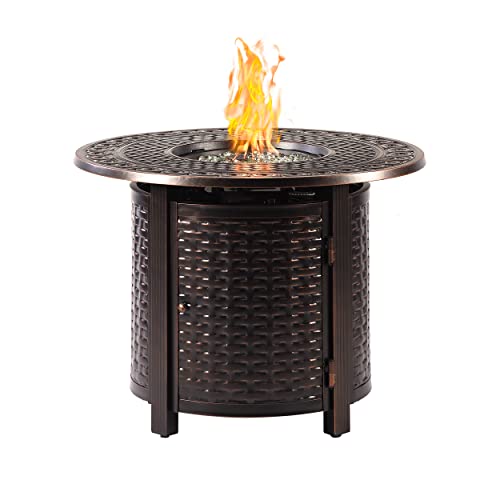
Round Propane Fire Pit Table With Lid: The Complete Buying Guide
Everything you need to know before choosing a round propane fire pit table with lid — from heat output and burner design to lid functionality, table materials, and safety essentials.
START EXPLORINGWhy a Round Propane Fire Pit Table With Lid? A round fire pit table combines the warmth and ambiance of a fire feature with the practicality of a full outdoor table. The included lid transforms the fire bowl into a usable surface when the flames are off, so you gain two pieces of outdoor furniture in one footprint. This guide walks you through every decision point so you can buy with confidence.
What Makes a Round Propane Fire Pit Table Different
A round propane fire pit table with lid is a self-contained outdoor heating and dining surface. Propane fuel means no wood smoke, no ash cleanup, and instant ignition — a major advantage for patios, decks, and balconies where smoke drift or sparks would be unwelcome. The round shape is deliberate: it encourages conversation, fits naturally into seating clusters, and leaves no sharp corners in tight walkways.
The lid is the defining feature that separates this category from a standard fire bowl. When the burner is off and the lid is in place, the unit functions as a coffee table, a serving surface, or a steady base for drinks and decor. This dual-purpose design is why round propane fire pit tables with lids have become a fixture in round patio furniture layouts and cozy lounge arrangements.
Most models sit in the mid-range and premium tiers of outdoor heating products. Entry-level units typically use simpler burners and lighter steel, while high-end tier models add stainless steel burners, thicker tabletops, and refined ignition systems. Understanding where a model sits in its class helps you match the build quality to how often you plan to use it.
Key Factors to Evaluate Before You Buy
Heat Output & Burner Design
Look at the BTU rating and burner construction. Mid-tier and premium models often deliver stronger, more even heat with a stainless steel burner that resists corrosion. Balanced heat distribution matters more than raw output for a comfortable seating circle.
Lid Functionality
A good lid fits flush, seals the bowl from debris, and is light enough to lift and store easily. Some lids double as a table insert; others are simple covers. Consider how the lid attaches and where it rests while the fire is burning.
Tabletop Material
Powder-coated steel, aluminum, and stone-look composite are common. High-grade steel with a rust-proof finish handles weather best. Textured surfaces resist scratches and fingerprints better than smooth finishes.
Tank Storage & Access
Many round fire tables hide a standard propane tank behind a door or panel. Easy access for swaps matters. Some designs use a smaller tank inside the base, which limits burn time but keeps the profile sleek.
Ignition System
Push-button and electronic ignition are the norm. Premium models tend to light reliably in wind and cold. Entry-level units may need a few attempts. A control knob with variable flame height gives you better heat control.
Safety Features
Check for a thermocouple or flame-out protection, a stable weighted base, and clearance guidance. Never place a propane fire table under a low roof or on a flammable surface without checking the manufacturer's instructions.
Tier Comparison: Matching Build Quality to Your Needs
Rather than focusing on figures, compare models by where they sit in the market. The table below summarizes typical characteristics across tiers so you can align your choice with how often and how intensively you will use the table.
| Tier | Best For | Typical Build | Lid & Table Surface |
|---|---|---|---|
| Entry-level | Occasional use, first fire table | Lighter steel, basic burner, simple ignition | Basic lid, thinner tabletop, powder-coated finish |
| Mid-range | Regular evening use, family patios | Stainless steel burner, sturdier base, reliable ignition | Flush-fit lid, composite or reinforced tabletop |
| Premium | Frequent entertaining, design-focused spaces | Heavy-duty construction, refined controls, weather-resistant coating | Precision-fit lid, textured or stone-look surface |
| Luxury | High-end outdoor living rooms | Commercial-grade materials, superior flame control, long-term investment | Seamless lid integration, premium finish, refined details |
Design and Placement Considerations
Size and Seating Circle
A round fire table is the anchor of a seating arrangement. Measure the diameter of your seating circle and leave comfortable walking space behind each chair. A table that is too large crowds the circle; one that is too small loses its function as a shared surface. If your layout includes a dining element, review how a round patio dining set with fire pit handles the same balance of table space and flame feature.
Placement and Clearance
Place the table on a level, non-combustible surface. Keep it away from low branches, fabric umbrellas, and railings. Wind direction matters — a spot sheltered from crosswinds keeps the flame stable and the heat directed into the seating area. If your patio already centers on a fire feature, consider how this table complements a round patio dining table with fire pit or a round table with fire pit in the middle for a layered outdoor layout.
Integrating With Existing Furniture
A fire table works best when it matches the material language of the surrounding pieces. Wicker and rattan seating pairs naturally with aluminum and composite tabletops. Metal seating suits powder-coated steel. If you are building a full seating group, explore round patio table and chairs options and compare how a fire table slots into the arrangement versus a standard dining table.
When You Also Want Shade
Fire tables and umbrellas generally do not share the same footprint. If shade is a priority during the day, a table with an umbrella opening may serve you better; see round patio table with umbrella hole for designs built around that need. Many homeowners keep both a shaded dining table and a separate fire table for evening use.
Materials and Long-Term Durability
The tabletop and base take the brunt of weather exposure. High-grade steel with a rust-proof finish and a weather-resistant coating is the baseline for durability. Aluminum resists corrosion well and stays lighter, which helps if you plan to reposition the table. Composite and stone-look surfaces resist scratching and UV fading, but check that the material is rated for outdoor heat exposure.
The burner is the component most likely to degrade. Stainless steel burners resist rust and hold up to repeated ignition cycles far better than basic steel. A well-sealed control panel and protected ignition wiring extend service life. Routine care — covering the unit when not in use and cleaning the burner ports — keeps performance consistent. For broader maintenance guidance, see rust removal and general outdoor care practices.
Weight is a useful signal. Heavier bases resist tipping and stay put in wind, while very light units may shift on smooth decking. A solid build is a long-term investment that pays off in stability and fewer replacements.
Propane Setup and Safety Essentials
Propane fire tables are straightforward to operate, but a few fundamentals keep them safe and efficient:
- Use the correct tank: Most models accept a standard portable propane tank stored in the base. Confirm tank compatibility before purchase.
- Check connections: Inspect the hose and regulator for wear before each season. A soapy-water test on connections reveals leaks.
- Ventilation matters: Never operate a propane fire table in an enclosed space. Outdoor use only, with clearance from walls and overhead structures.
- Flame-out protection: A thermocouple shuts off gas if the flame goes out. Prioritize models with this feature.
- Lid discipline: Always let the unit cool completely before replacing the lid. Store the lid securely so it does not become a wind hazard.
- Surface safety: Place on a stable, non-combustible surface and keep combustibles at a safe distance from the flame.
If your priority is a cleaner look with the tank fully concealed, a round propane fire pit with hidden tank offers a similar concept with a different footprint. Compare the two designs against your patio layout before deciding.
A Practical Buying Checklist
Use this checklist to compare models side by side before you commit:
- Diameter and height: Fits your seating circle and feels comfortable as a table.
- Lid design: Flush fit, manageable weight, secure storage while burning.
- Burner material: Stainless steel or equivalent corrosion-resistant construction.
- Ignition: Reliable push-button or electronic start with variable flame control.
- Safety: Flame-out protection, stable base, clear clearance guidance.
- Tank access: Easy door or panel for swaps; check tank size compatibility.
- Finish: Weather-resistant coating and rust-proof finish.
- Warranty: Review coverage terms and return options; see warranty and returns for general guidance.
- Seasonal use: Confirm the unit is rated for the temperatures you expect; seasonal buying tips help with timing.
Frequently Asked Questions
Ready to Compare Round Propane Fire Pit Tables With Lids?
You now understand the key decisions — heat output, lid function, materials, propane setup, and safety. Use the checklist above to evaluate models, then explore curated options to find the right fit for your patio.
Explore Top Picks