Rush Seats for Chairs: The Complete Buying Guide
Everything you need to know about woven rush chair seats — from natural vs synthetic fibers and durability insights to comfort, style, and maintenance. Make a confident decision for your home seating.
EXPLORE THE GUIDEWhy rush seats matter: If you are researching rush seats for chairs, you already know the look you want — a natural, textured woven seat that brings warmth and character to dining chairs, accent chairs, and stools. This guide answers the practical questions buyers face: which rush material suits your climate and usage, how long the seat lasts, what comfort to expect, and how to maintain or replace the weaving. Read on to choose with confidence.
What Are Rush Seats for Chairs?
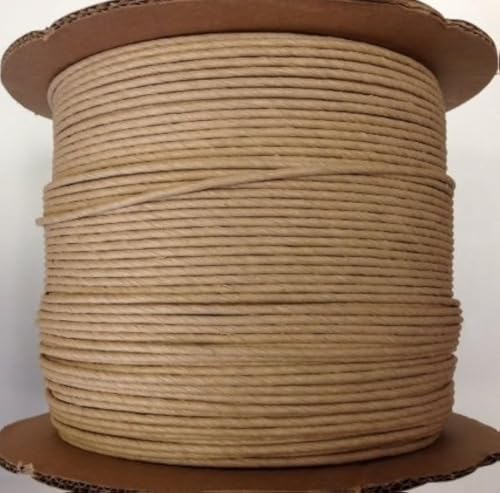
Rush seats are woven seating surfaces created by interlacing natural or synthetic fibers across a chair frame. Traditionally, the material came from the rush plant — a tall, grass-like plant whose fibers are twisted into cord and woven in a tight, diagonal pattern. The result is a seat that is firm yet slightly yielding, breathable, and visually distinctive.
Today, "rush" is used broadly to describe woven chair seats made from several materials. Understanding the difference is the first step in choosing wisely:
- Natural rush: Woven from plant fibers (seagrass, bulrush, or paper-rush cord). Offers an organic texture and a warm, artisanal look.
- Synthetic rush: Made from polypropylene or nylon fibers that mimic the look of natural rush while adding moisture resistance and UV stability.
- Paper rush: A twisted paper cord that is durable, smooth, and popular in mid-century and Scandinavian-style seating.
If you are also exploring complementary natural-texture seating, our guide to wicker seating covers how woven materials compare across furniture categories. And for buyers who want to understand fiber choices in depth, the materials guide provides a broader framework.
Natural Rush vs Synthetic Rush: Which Should You Choose?
The material decision is the single most important choice for buyers. Both options deliver the woven aesthetic, but they differ in durability, climate tolerance, and care requirements. Use the table below to match the material to your environment and usage.
| Feature | Natural Rush | Synthetic Rush |
|---|---|---|
| Look & Feel | Organic, matte, artisanal texture with natural color variation | Consistent, uniform weave; close visual match to natural rush |
| Moisture Tolerance | Moderate — vulnerable to prolonged damp and humidity | High — resistant to moisture, spills, and humid climates |
| Durability Tier | Mid-tier with proper care | High-end tier for everyday and high-traffic use |
| UV Resistance | Can fade or dry out in direct sun | UV-stabilized options resist fading and brittleness |
| Comfort | Firm with slight give; softens with use | Firm and consistent; may feel slightly stiffer initially |
| Maintenance | Occasional light dampening, gentle brushing, dry storage | Wipe with damp cloth; minimal routine care |
| Best For | Indoor dining chairs, accent chairs, climate-controlled rooms | Sunrooms, covered patios, humid climates, busy households |
A practical rule: if the chair will live in a covered outdoor room or a humid climate, synthetic rush is the safer long-term investment. If the chair is for an indoor dining room with stable humidity, natural rush delivers unmatched character. Buyers furnishing open-air spaces should also review rattan chairs for outdoor use, which pair the woven look with weather-ready construction.
Key Buying Factors for Rush Seat Chairs
Beyond material, several factors determine whether a rush-seat chair will serve you well for years. Evaluate each of the following before committing to a purchase.
Frame Quality
The frame carries the tension of the weave. Solid hardwood frames — oak, beech, or ash — hold rush tight and resist wobble. Check joints for reinforcement; a weak frame will outlive its usefulness before the rush fails.
Weave Density
A tight, evenly tensioned weave signals quality. Loose or uneven strands will sag prematurely. Run your hand across the seat — it should feel firm with no soft pockets near the edges.
Seat Height & Depth
Standard dining chairs sit around 18 inches from floor to seat. Measure your table height to confirm compatibility. Deeper seats suit lounging; shallower seats suit upright dining posture.
Usage Tier
Entry-level chairs suit occasional seating. Mid-range models offer better frames and tighter weaves for daily dining. Premium and luxury tiers feature hand-woven seats and hardwood joinery built for decades.
Climate Fit
Humidity and direct sun shorten natural rush life. Match the material to your room's conditions, or plan to protect natural rush with covers and seasonal rotation.
Replaceability
Choose chairs with standard seat frames that can be rewoven or fitted with pre-woven panels. Replacement keeps a quality frame in service and is a worthwhile investment over time.
Comfort: What to Expect from a Woven Rush Seat
Rush seats are known for firm, supportive comfort rather than plush cushioning. The weave has a slight natural give that distributes weight evenly and stays cool in warm weather — a genuine advantage in dining rooms and sunrooms. Most buyers find that natural rush softens subtly over the first months of use.
If you prefer added softness, pair rush-seat chairs with a thin seat pad. For chairs that will host long dinners, consider models with a slightly contoured seat or a wider seat pan. Buyers comparing comfort-focused options may also appreciate our overview of the most comfortable woven furniture, which discusses how weave tension and frame ergonomics affect seating feel.
Caring for Rush Seats: Maintenance That Extends Life
Rush seats are low-maintenance when treated with basic care. Follow these practices to keep the weave tight and the fibers healthy:
- Dust regularly: Use a soft brush or vacuum brush attachment to clear debris from the weave.
- Control moisture: Keep natural rush dry. Wipe spills promptly and avoid leaving chairs in damp conditions.
- Prevent brittleness: In dry climates, occasionally mist natural rush lightly — never soak it.
- Protect from sun: Rotate chairs or use window treatments to limit direct UV exposure on natural rush.
- Clean synthetic rush: Wipe with a damp cloth and mild soap; rinse and dry thoroughly.
For chairs that live near doors or covered patios, protective solutions such as waterproof outdoor furniture covers add a layer of defense during off-seasons. If you are storing cushions or pads alongside your chairs, our cushion storage guide helps keep textiles fresh.
Can Rush Seats Be Replaced or Rewoven?
Yes — and replacement is often the smartest decision for a quality chair. Rush seats can be professionally rewoven by hand, or fitted with pre-woven rush panels cut to the seat frame. Reweaving preserves the original character of an antique or well-made chair and is a long-term investment compared with replacing the entire piece.
Signs a seat needs attention include sagging in the center, frayed or broken strands at the edges, and visible gaps in the weave. Address minor wear early — a small repair prevents the weave from loosening further. When evaluating whether a chair is worth rewearing, check frame stability first; a sound hardwood frame justifies the service.
Style Pairing: Where Rush Seats Fit Best
Rush seats bridge traditional and modern design, which makes them unusually versatile. They suit farmhouse and cottage interiors, mid-century modern dining rooms, coastal settings, and minimalist spaces that benefit from natural texture. Pair rush-seat chairs with solid wood dining tables for a grounded, organic look, or mix them with metal frames for industrial contrast.
For buyers building a cohesive woven aesthetic, explore wicker patio furniture with blue cushions for color pairing ideas, or review rocking egg chairs if you want statement woven seating alongside classic rush-seat dining chairs.
Ready to Choose Your Rush Seat Chairs?
Browse our curated selection of woven-seat seating and compare features, materials, and construction quality side by side.
VIEW RECOMMENDED OPTIONSFrequently Asked Questions About Rush Seats
How long do rush seats last?
With proper care, natural rush seats typically last 10 to 20 years before rewoven; synthetic rush often lasts longer, especially in humid conditions. Frame quality and weave tension are the biggest factors in longevity.
Are rush seats comfortable for long sitting?
Rush seats are firm and supportive rather than plush. For long dinners or work sessions, a thin seat pad adds comfort while preserving the woven look. Most users find the natural give of the weave comfortable for everyday dining.
Can rush seats go outdoors?
Natural rush should stay in covered, climate-controlled spaces. Synthetic rush handles covered outdoor rooms and humid climates well. For fully exposed patios, pair synthetic rush with proper covers or choose dedicated outdoor woven furniture.
How do I know if a rush seat is quality-made?
Check for tight, even weave tension, no loose strands at the edges, and a solid hardwood frame with secure joints. A firm seat with no soft pockets indicates proper weaving. Premium tiers typically feature hand-woven seats and reinforced joinery.
Is it better to repair or replace a rush seat?
If the frame is solid, rewearing or replacing the seat panel is usually the better choice — it preserves a quality chair and is a long-term investment. Replace the whole chair only when the frame itself is unstable or damaged.