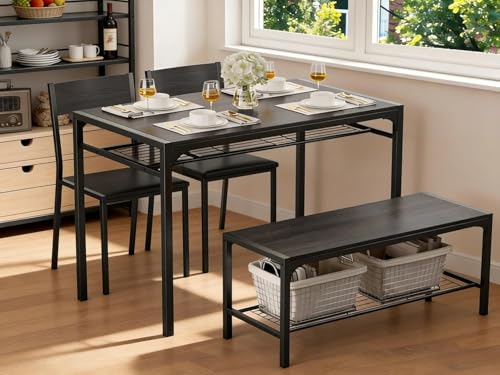
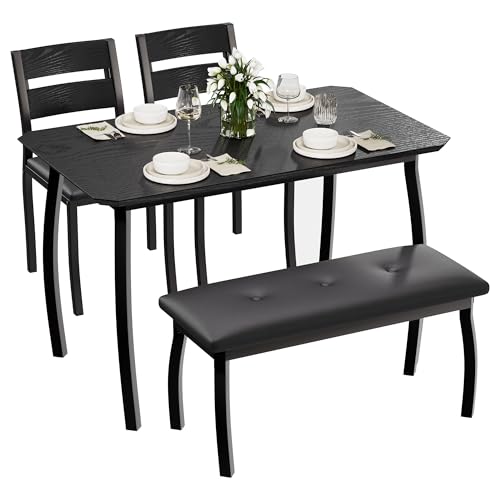
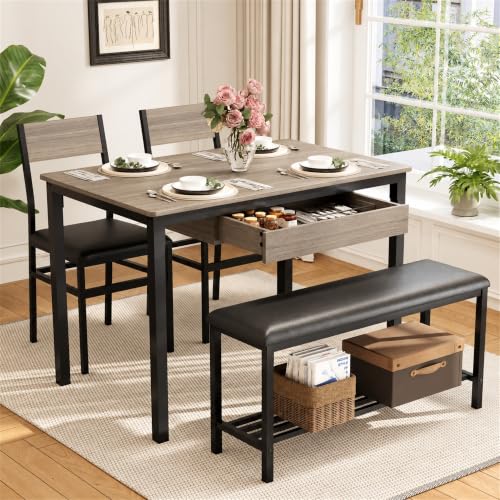
Small Dining Table with Bench and 2 Chairs: The Complete Buyer's Guide
Looking for a compact dining solution that seats four without swallowing your floor space? A small dining table with bench and 2 chairs is one of the most efficient layouts for kitchens, breakfast nooks, sunrooms, and cozy patios. This guide breaks down dimensions, materials, seating comfort, and layout planning so you can choose with confidence.
Jump to Buying FactorsWhy this configuration works: A bench along one side tucks neatly against a wall or window, while two chairs on the opposite side give you flexible, easy-access seating. The result is a four-person dining setup that feels open, encourages conversation, and leaves precious walkway space free. If you are still comparing layouts, our guide to a small dining table with bench and chairs covers wider bench-and-chair combinations, and the small dining table for 4 with bench article explores four-person footprints in more depth.
What Exactly Is a Bench-and-Two-Chairs Dining Set?
A quick definition before we get into the details.
This configuration pairs a compact dining table with a single bench on one side and two individual chairs on the other. It is a four-seat arrangement in a footprint that typically reads as a two- or three-seat set visually. The bench side usually sits flush against a wall, a window, or a half-wall, which reduces the number of chairs that need pull-out clearance. The two chairs face the bench across the table, giving each diner a clear entry point and a comfortable backrest.
The layout shines in narrow rooms, galley kitchens, breakfast corners, and apartment dining zones. It also translates well outdoors: a bench against a railing plus two chairs on the open side keeps a small patio or balcony from feeling crowded. For a deeper look at balcony-specific options, see our small kitchen table with bench and 2 chairs guide, and if you prefer a farmhouse aesthetic, the small farmhouse table with bench and chairs article is a natural next read.
Dimensions and Layout: Getting the Fit Right
Measure twice, dine comfortably. These are the practical numbers to plan around.
Typical Table Sizes
Rectangular tables in this category commonly run about 47 to 55 inches long and 28 to 32 inches wide. Round versions often measure 30 to 36 inches in diameter. A 47-inch table comfortably seats one bench diner per side plus two chairs, while a 55-inch model gives noticeably more elbow room.
Walkway and Pull-Out Space
Plan for roughly 30 to 36 inches of clearance behind the chairs so they can slide out and people can pass. The bench side needs far less — often just 6 to 12 inches if it sits against a wall. This asymmetry is the core space-saving advantage of the layout.
Bench and Chair Alignment
A standard dining table is about 28 to 30 inches high. Bench seats should sit around 17 to 19 inches, matching the chair seat height so everyone dines at a consistent level. Check that the bench tucks under the table apron or leaves a comfortable knee gap.
If your room is especially tight, a round table paired with a curved bench and two chairs can soften corners and improve flow. Our small round patio table with 2 chairs guide covers round layouts in detail, while the small rectangular kitchen table with bench article focuses on straight-line footprints for galley spaces.
Seating Configuration Options
Not every bench-and-chairs set is arranged the same way. Choose the layout that matches your room.
Bench on One Long Side, Chairs Opposite
The classic arrangement. The bench hugs a wall or window, and two chairs face it across the table. This works best in rectangular rooms and nooks where one side can be anchored. It is also the easiest layout to shop for, since most sets are designed this way.
Bench on One Side, Chairs on the End
An L-shaped or corner nook can place the bench along one long side and one chair at the end, with the second chair opposite. This frees up one long side for traffic. See the small dining table with bench on one side guide for layout diagrams and clearance notes.
Freestanding Bench and Chairs
A bench that is not built in can be pushed under the table when not in use, or pulled out for extra seating. This is a good choice for renters and multi-use rooms. Pair it with two lightweight chairs that stack or tuck easily.
Patio and Sunroom Layouts
For outdoor versions, place the bench against a railing or wall and keep the two chairs on the open side. Choose a table with an umbrella hole if the spot gets direct sun. Our small outdoor dining table with umbrella hole guide explains how to plan shade without blocking the bench.
Materials: Matching the Set to Your Space
The right material depends on whether the set lives indoors, in a sunroom, or fully outdoors.
Solid Wood and Engineered Wood
Solid wood — oak, acacia, rubberwood, pine — brings warmth and holds up well to daily use. Engineered wood with a veneer offers a smoother finish and more consistent look. Look for reinforced joinery, corner blocks, and a sealed finish. This is the most common material for indoor kitchen and breakfast nook sets.
Powder-Coated Steel and Aluminum
Metal frames resist moisture and are easy to wipe down. Powder-coated steel is heavy-duty and stable; aluminum is lighter and rust-resistant, making it a strong pick for balconies and patios. Check that hardware is stainless or coated to avoid corrosion at joints.
Resin, Plastic, and Composite
Resin and composite sets are lightweight, weather-resistant, and easy to move. They suit casual patios, rentals, and multi-use rooms. Higher-tier composite models mimic wood grain convincingly and resist fading better than entry-level resin.
Material choice also affects maintenance. Wood benefits from periodic sealing; metal needs occasional touch-ups at scratches; resin simply needs soap and water. For a broader comparison of outdoor materials, see the wood furniture care and metal vs aluminum guides.
Quality Tiers: What to Expect at Each Level
We use a universal tier system instead of numeric pricing. Here is how the category breaks down.
| Tier | Best For | What You Typically Get | Trade-Offs |
|---|---|---|---|
| Entry-Level | First apartments, casual use, seasonal setups | Basic engineered wood or resin; simple joinery; lighter frames | Shorter lifespan; more wobble over time; fewer finish options |
| Mid-Range | Everyday family dining, kitchens, breakfast nooks | Solid wood or reinforced engineered wood; powder-coated metal; cushioned bench options | Some assembly required; finish quality varies by brand |
| Premium | High-traffic homes, long-term indoor or covered outdoor use | Hardwood construction, mortise-and-tenon joinery, high-grade finishes, thicker cushions | Heavier; slower to move; best suited to a fixed location |
| Luxury / Commercial-Grade | Design-led spaces, hospitality, full outdoor exposure | Marine-grade hardware, UV-stable fabrics, precision joinery, designer silhouettes | Requires care in assembly and placement; less portable |
In practice, the mid-range tier offers the best balance for most households: solid construction, comfortable seating, and finishes that hold up to daily meals. Entry-level sets are a reasonable fit for guest rooms or seasonal patios, while premium and luxury tiers are worthwhile investments for spaces used every day and expected to last many years.
Bench Comfort and Ergonomics
A bench is only as good as its seat. These details matter more than the table.
- Seat depth and cushioning: Look for a bench seat at least 14 to 16 inches deep. A removable cushion of 2 to 3 inches adds comfort without raising the seat too high.
- Back support: A bench with a low backrest or a wall behind it makes longer meals far more comfortable. Backless benches are best for quick meals and casual outdoor use.
- Edge profile: Rounded or eased edges are kinder to legs than sharp square corners, especially on benches that people slide onto from the side.
- Tuck-under clearance: Check that the bench slides under the table apron or leaves room for knees. A bench that cannot tuck in wastes the very space it was meant to save.
- Weight and stability: A heavier bench stays put when people slide on and off. Lightweight benches may need rubber feet or a wall anchor.
Buying Factors: A Practical Checklist
Use this list before you commit to any set.
Measure the Room, Not Just the Table
Record the room's length and width, then subtract walkway clearances. Remember that the bench side needs less space than the chair side. A set that fits on paper can still feel cramped once chairs are pulled out.
Decide Indoor vs. Covered Outdoor
Indoor sets can use wood and fabric upholstery. Covered patios and sunrooms need UV-resistant finishes and quick-dry cushions. Fully exposed outdoor spaces call for powder-coated metal or composite and slatted seats.
Check Assembly and Hardware
Look for clear instructions, labeled parts, and metal-on-metal or metal-on-wood connectors. Avoid sets that rely only on cam locks in high-stress joints. Stainless or coated hardware resists loosening over time.
Plan for Storage and Flexibility
If the set doubles as a workspace or folds away seasonally, choose a bench that tucks fully under the table and chairs that stack. A small storage box nearby keeps cushions and throws out of the way.
Match the Style to the Room
A farmhouse table with a bench suits rustic kitchens; a slim metal frame suits modern apartments; a round table softens small corners. Style consistency makes a compact set feel intentional rather than squeezed in.
Consider Family and Guest Use
Benches work well for kids and casual gatherings but are harder for guests with mobility limitations. If accessibility matters, choose a bench with a backrest and pair it with chairs that have arms for easier sitting and standing.
Indoor Nook vs. Outdoor Patio: Key Differences
The same layout works in both settings, but the details change.
Indoor Kitchen or Breakfast Nook
Prioritize warmth, cushioning, and a finish that resists everyday spills. Solid wood or engineered wood with a sealed top is a strong choice. A cushioned bench with a low back makes long breakfasts comfortable, and two upholstered chairs complete the look. Check that the bench fits under a window sill or against a half-wall without blocking trim.
Outdoor Patio or Balcony
Choose weather-resistant materials, a table with an umbrella hole if needed, and a bench with a slatted or quick-dry seat. Keep the footprint tight and avoid thick cushions that trap moisture. Stackable chairs are a practical bonus on balconies. For more outdoor layout ideas, see the small outdoor patio set guide and the small balcony furniture sets article.
Care and Maintenance
A few habits keep a compact set looking sharp for years.
- Wipe the table after meals with a damp cloth and a mild soap solution; avoid abrasive pads on veneer and painted finishes.
- Re-seal wood tabletops annually or when water stops beading on the surface.
- Touch up powder-coated metal at scratches to prevent corrosion from spreading.
- Bring cushions indoors or store them in a dry box during rain and off-season.
- Check and tighten hardware every few months, especially on benches that see daily use.
- Use felt pads under chairs and benches on hardwood floors to prevent scratches.
For a deeper maintenance schedule, the weatherproofing guide and the furniture cleaners article cover products and seasonal routines in more detail.
Common Mistakes to Avoid
These are the issues buyers most often regret after the set is assembled.
- Buying a bench that is too tall or too low relative to the table, which makes every meal uncomfortable.
- Forgetting to measure chair pull-out clearance, leaving no room to slide chairs back.
- Choosing a backless bench for a space used for long dinners and gatherings.
- Placing a wood set in full sun or direct rain without a cover or a suitable finish.
- Overlooking assembly hardware quality, which leads to wobble within months.
- Skipping the tape-outline test and discovering the set crowds the walkway after delivery.
Frequently Asked Questions
What size small dining table with bench and 2 chairs fits a compact kitchen?
A rectangular table around 47 to 55 inches long and 28 to 32 inches wide is a practical fit for compact kitchens, paired with a bench along one long side and two chairs on the opposite side. Always measure your walkway clearance before choosing.
Is a bench comfortable for everyday dining?
Yes, when the bench has a cushioned seat and a supportive backrest or wall behind it. Benches encourage closer seating and work well in nooks, but they are less easy to slide in and out than chairs, so consider a bench with a low back or an upholstered top.
Which material is best for a small dining table with bench and 2 chairs?
Solid wood and engineered wood with a veneer offer durability and warmth for indoor dining nooks, while powder-coated steel and aluminum suit patios and sunrooms. For high-traffic family use, mid-range or premium solid wood models with reinforced joinery hold up best.
Can a bench and chairs set work on a small patio?
Yes. Choose a weather-resistant table with a sealed or powder-coated finish, a bench with a slatted or quick-dry seat, and two stackable chairs. Keep the footprint tight and avoid heavy cushions that trap moisture.
Where should the bench go in a narrow room?
Place the bench against the longest wall or under a window, with the two chairs on the open side facing it. This arrangement uses the wall as back support and keeps the walking path clear. If the room is very narrow, consider a bench on one side only with chairs at the ends — see the bench on one side guide for layout ideas.