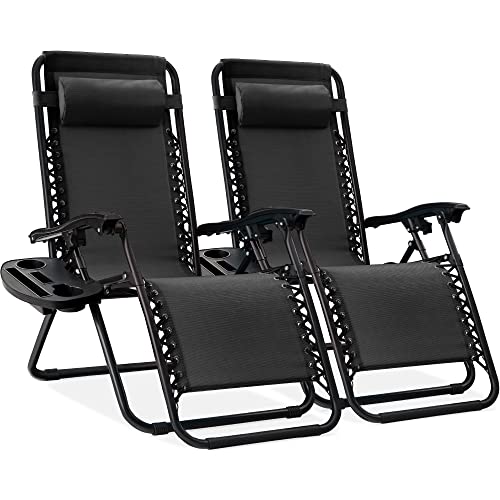
Sun Loungers: The Complete Buying Guide
Everything you need to choose a comfortable, durable outdoor lounger — from frame materials and adjustability to space planning and long-term care.
Explore the GuideWhy sun loungers deserve careful research: A sun lounger is one of the few outdoor purchases you use in a fully relaxed state — which means comfort, stability, and adjustability matter more than almost any other patio item. This guide walks you through the decisions that separate a lounger you tolerate from one you genuinely look forward to using every sunny afternoon.
What Defines a Quality Sun Lounger?
Sun loungers — also called chaise lounges or outdoor recliners — are long, reclining seats designed for horizontal relaxation. Unlike a standard patio chair, a lounger distributes body weight across its full length, so frame rigidity and cushion support become the primary comfort factors. A well-built lounger holds a flat or near-flat position without sagging, adjusts smoothly through multiple angles, and remains stable when you shift your weight.
Three elements determine whether a lounger performs well over years of use: the frame material, the reclining mechanism, and the surface support (whether sling, mesh, or cushion). Each interacts with the others — a premium frame paired with a weak hinge will still disappoint, and a robust hinge on a flimsy frame creates a tipping risk. The best loungers balance all three at a consistent quality tier.
If your outdoor space is compact, a full-length lounger may be impractical; in that case, review chaise lounge chairs for outdoor spaces for narrower alternatives, or compare sun chairs if you prefer a more upright relaxation posture. For poolside layouts, single sun lounge chairs offer a middle ground between portability and full-length comfort.
Frame Materials: The Foundation of Durability
Frame choice affects weight, maintenance, weather resilience, and how the lounger feels when you move it. Here is how the major options compare:
Teak & Hardwood
Naturally weather-resistant and visually warm, teak develops a silver-grey patina over time. These loungers are heavy and stable, making them ideal for permanent placement. Occasional sealing preserves the original tone. Consider teak furniture care principles when planning maintenance.
Aluminum
Lightweight, rust-proof, and easy to reposition. Powder-coated aluminum resists scratching and is the most common choice for mid-range and premium loungers. A solid pick if you move your lounger frequently or store it seasonally.
Resin Wicker
Woven over an aluminum frame, resin wicker delivers a textured, furniture-like look with minimal upkeep. It resists fading and moisture well. High-quality resin wicker patio furniture construction is a reliable indicator of longevity in this category.
Powder-Coated Steel
Common in entry-level and essential-tier loungers. Steel is strong and stable but heavier than aluminum and susceptible to rust if the coating chips. Regular inspection of joints and touch-up painting keeps it serviceable for years.
Material choice also interacts with your climate. In coastal areas with salt air, aluminum and resin wicker outperform steel; in dry, sunny regions, teak and powder-coated aluminum both hold up well. For broader guidance on protecting any frame type, see waterproof materials for garden furniture and rust removal techniques.
Reclining Mechanisms and Adjustability
The hinge system is where loungers differentiate most sharply across quality tiers. Understanding the options helps you match the mechanism to how you actually use the lounger.
| Tier | Typical Mechanism | Best For |
|---|---|---|
| Entry-level / Essential tier | Notched bracket with 3–4 fixed positions | Occasional use; straightforward adjustments |
| Mid-range / Balanced tier | Multi-position hinge, 5+ angles, smoother locking | Regular daily use; households with mixed preferences |
| Premium / High-end tier | Gas-lift or friction-disc mechanism with near-infinite positioning | Frequent use; readers and sunbathers who shift posture often |
| Luxury / Commercial-grade | Reinforced gas-lift, lockable casters, tool-free assembly | Poolside setups, hospitality use, heavy daily rotation |
Beyond the hinge, look for backrest range: a lounger that only reclines to 45 degrees limits its usefulness for reading or napping. Models that lay fully flat are more versatile. If you want a lounger that doubles as a reading seat, an indoor chaise lounge with adjustable back demonstrates the same mechanism logic in a different context — useful for understanding what "smooth adjustment" actually feels like.
Sling, Mesh, or Cushion: Choosing Your Surface
The seating surface determines breathability, comfort, and maintenance load.
- Sling (fabric stretched over frame): Breathable, quick-drying, and low-maintenance. Sling loungers suit poolside use because water drains immediately. Fabric tension is the key quality marker — premium slings resist sagging for many seasons.
- Mesh: Similar benefits to sling with added airflow. Common in lightweight, portable loungers. Check that the mesh is UV-stabilized to prevent brittleness.
- Cushioned: The most comfortable option for lounging, reading, and napping. Cushions add maintenance — they need drying, storage, and periodic replacement. Look for quick-dry foam and removable, washable covers. When cushions wear out before the frame, replacement fabric for patio lounge chairs lets you refresh the lounger without replacing it.
A comfortable chaise lounge generally pairs a supportive, non-sagging base with either a well-tensioned sling or a firm, quick-dry cushion. If comfort is your top priority, lean toward cushioned premium tiers; if convenience and poolside practicality matter more, a high-quality sling design is the smarter long-term choice.
Space Planning: Fitting Loungers Into Your Patio
Sun loungers are long — typically 70 to 80 inches — so footprint matters more than with standard chairs. Plan for at least 24 inches of clearance on the access side of each lounger so you can sit down and stand up comfortably. If you are placing two loungers side by side, leave a small gap between them for arm movement and easier cleaning.
For small patios, consider folding or stackable loungers that store vertically. A seagrass woven chaise lounge with wheels shows how wheels and lightweight construction make compact spaces more workable. If you have a pool deck, prioritize rust-proof frames and quick-drying surfaces; if your loungers sit on a wooden deck, check weight distribution and consider protective feet.
Loungers also pair well with shade. A sun shade for patios or a triangle sun shade can extend lounger usability into hotter parts of the day without relocating the furniture.
Care and Maintenance for Long-Term Performance
Sun loungers live outdoors year-round in many households, so a simple maintenance routine pays off:
Weekly: Rinse frames and slings with fresh water. Wipe down cushions and allow them to dry fully before use.
Monthly: Inspect hinges and joints for stiffness or corrosion. Lubricate metal mechanisms lightly and tighten any loosened fasteners.
Seasonally: Deep-clean cushions and frames. For wooden loungers, apply a sealant if the finish shows wear. Check wheels for smooth rolling.
Off-season: Store cushions indoors and cover frames with breathable, waterproof covers. If space allows, move loungers to a covered area.
Replacement parts are widely available for common wear items. If your lounger has wheels, replacement wheels for wrought iron chaise lounges illustrate how a small part swap can restore smooth movement. Cushion covers and sling fabrics can similarly be refreshed rather than replaced entirely.
Quick Buying Checklist
Before you commit to a lounger, run through these decision points:
- Frame: Aluminum or teak for longevity; steel only with careful rust maintenance.
- Mechanism: At least 4–5 positions, with smooth locking and no wobble when flat.
- Surface: Sling for poolside convenience; cushion for maximum comfort.
- Mobility: Wheels if you reposition often; lightweight frame if you store seasonally.
- Footprint: Measure your patio and allow 24 inches of access clearance.
- Climate fit: Salt air favors aluminum and resin wicker; strong sun favors UV-stabilized fabrics.
- Tier match: Entry-level for occasional use, mid-range for daily use, premium for heavy rotation.
Once you have narrowed your criteria, compare specific models against the checklist rather than against marketing language. A lounger that scores well on frame, mechanism, and surface quality — at whichever tier fits your intended use — will serve you far better than one that excels in only one area.
Frequently Asked Questions
What materials are best for sun loungers?
Teak, aluminum, and high-quality resin wicker are the most durable choices. Teak offers natural weather resistance, aluminum is lightweight and rust-proof, and resin wicker provides a woven look with low maintenance. Entry-level models often use powder-coated steel, which is solid but requires more care against rust.
How many reclining positions should a sun lounger have?
A good sun lounger offers at least four to five adjustable backrest positions, from flat to upright. Mid-range and premium models typically include multi-position hinges or gas-lift mechanisms that adjust more smoothly and hold their position reliably over time.
Are sun loungers with wheels worth considering?
Yes, wheels make a significant difference for larger patios and poolside areas where you move the lounger to follow the sun or store it away. Premium and luxury tiers usually feature smooth-rolling, lockable casters that work well on both hard surfaces and low-pile outdoor rugs.
How do I maintain outdoor sun loungers?
Rinse frames periodically, dry cushions fully before storage, and use protective covers during off-season months. For metal frames, inspect joints for early signs of rust and treat them promptly. Wooden loungers benefit from occasional sealing to preserve their finish.
Can sun loungers stay outside all year?
Many modern loungers are designed for year-round outdoor use, but harsh winters still call for protection. A waterproof cover and, where possible, indoor or covered storage will extend the lifespan of cushions, hinges, and frame finishes considerably.
Ready to Choose Your Sun Lounger?
You now have the full framework: frame materials, reclining mechanisms, surface types, space planning, and maintenance routines. Use the recommended products below to compare real options against your criteria — then make a confident, well-informed choice for your outdoor space.