Swing Camping Chair: The Complete Buying Guide
Discover how a swing camping chair transforms campsite comfort. Learn about stability, portability, materials, and key features before choosing your perfect outdoor swing seat.
Why a swing camping chair? Traditional camp chairs keep you upright and stiff. A swing camping chair introduces gentle motion that soothes tired muscles after a long hike, creates a cozy focal point around the fire, and gives you a reason to linger outdoors longer. This guide walks you through every decision so you can buy with total confidence.
What Is a Swing Camping Chair?
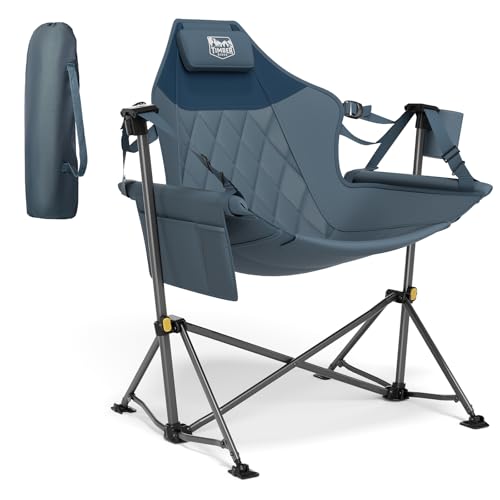
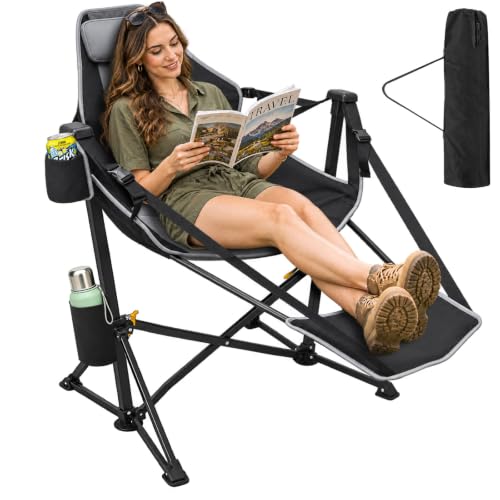
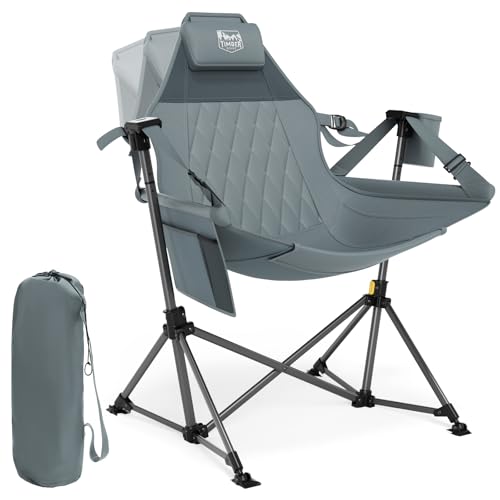
A swing camping chair is a portable seating solution that suspends the seat from a lightweight frame, allowing a gentle swinging or gliding motion. Unlike a fixed camp chair, the seat is typically hung from a crossbar or suspended by straps, so your body rocks naturally with subtle movement. Most models fold flat or collapse into a carry bag, making them practical for car camping, tailgating, beach trips, and backyard lounging.
These chairs bridge the gap between a traditional camp chair and a full-size swing bench. They deliver the soothing motion of a porch swing in a package you can toss in the trunk. If you have ever envied the calm of a stand-alone hammock but wanted something more upright and supportive, a swing camping chair is the answer.
Why Choose a Swing Camping Chair?
Soothing Motion
The gentle rock eases tension in your back and legs. After a day of hiking or setting up camp, that rhythmic sway is genuinely restorative.
Portable Comfort
Most models fold into a compact carry bag. You get porch-swing relaxation without hauling a rigid frame or heavy wooden bench.
Social Focal Point
A swing chair naturally draws people together. It becomes the cozy seat everyone gravitates toward around the campfire or picnic area.
Versatile Use
Beyond camping, it works on patios, decks, porches, and even inside a sunroom. One chair serves many spaces across the seasons.
Key Features to Evaluate Before Buying
Not all swing camping chairs are built the same. The following features separate a chair you will love for years from one that frustrates you on the first trip.
Frame Construction and Stability
The frame is the backbone of any swing chair. Look for reinforced steel or high-grade aluminum. Steel offers rock-solid stability and is ideal for car camping where weight is not a concern. Aluminum shaves weight for backpacking or beach trips but may feel slightly less planted. A wide base and anti-slip feet dramatically improve stability on uneven ground. Avoid frames with thin tubing or plastic joints, which flex and wear quickly.
Suspension System
The suspension is what creates the swing motion. Quality models use reinforced straps, heavy-duty chains, or woven ropes rated for the chair's load capacity. Check that the attachment points are stitched or welded securely. A well-designed suspension feels smooth and silent; a poor one squeaks, twists, or sags unevenly.
Fabric and Weather Resistance
Camping exposes chairs to sun, rain, and dirt. Choose solution-dyed fabrics, heavy-duty polyester, or oxford cloth with a weather-resistant coating. These resist fading, mildew, and tearing. Mesh panels improve airflow in hot weather, while padded seats add comfort for cooler evenings. Breathable fabric dries faster after a surprise shower.
Weight Capacity and Dimensions
Always check the stated weight capacity and compare it to your needs with a comfortable margin. Seat width and back height matter too: a wider seat feels roomier, while a taller back supports your shoulders and neck. Measure your available storage space and vehicle trunk before committing to a larger model.
Portability and Setup
Look for a chair that folds flat or collapses into a compact bundle. A included carry bag with a shoulder strap makes transport easier. Setup should take under two minutes with clear instructions and no tools. If you plan to move the chair often, prioritize a lighter model with a simple folding mechanism.
Market Tiers: Finding the Right Fit
Swing camping chairs fall into clear market tiers. Use this table to match your camping style with the right class of chair. No numbers, no currency—just honest positioning.
| Tier | Best For | Typical Characteristics |
|---|---|---|
| Entry-Level | Occasional campers, backyard use | Basic steel frame, simple strap suspension, standard polyester fabric. Solid choice for light use and fair-weather trips. |
| Mid-Range | Regular weekend campers | Reinforced frame, smoother suspension, weather-resistant fabric, padded seat. A balanced tier with better comfort and durability for frequent use. |
| Premium | Dedicated campers, long trips | High-grade aluminum or heavy-duty steel, precision suspension, solution-dyed fabric, ergonomic padding. A long-term investment built for years of reliable service. |
| Luxury | Glamping, permanent campsite setups | Flagship-tier materials, commercial-grade stitching, advanced suspension, premium cushions. The top-tier choice for maximum comfort and longevity. |
Honest Pros and Cons
What We Love
- Gentle motion relieves fatigue and encourages relaxation
- Compact folding designs travel easily in most vehicles
- Creates a welcoming, social seating spot at any campsite
- Works across patios, decks, porches, and campsites
- Modern fabrics resist sun, rain, and everyday wear
What to Consider
- Swing motion can feel unstable on very uneven ground
- Some entry-level models have limited weight capacity
- Setup may take practice for first-time users
- Larger models can be bulky in small vehicles
- Suspension components need periodic inspection
Stability and Safety Tips
A swing chair is only as good as its footing. Always place your chair on level ground and check that all four feet are firmly planted. On soft ground such as sand or loose soil, use wide-base feet or place a small mat underneath to prevent sinking. Avoid setting up on steep slopes or near drop-offs. Before each trip, inspect the suspension straps, stitching, and frame joints for wear. Replace any frayed or cracked component immediately.
If you camp in windy areas, choose a chair with a low profile and a wide base. Add weight to the frame's feet if needed, but never exceed the stated weight capacity. For families, consider a chair with a locking mechanism to limit swing range for children or older adults.
Materials and Long-Term Care
The right materials make a swing camping chair last for seasons. Powder-coated steel resists rust and handles rough use. Aluminum stays light and resists corrosion. For fabric, solution-dyed acrylic or heavy-duty polyester with UV treatment holds color and strength far longer than untreated cloth. After each trip, wipe down the frame with a damp cloth and let the fabric air-dry completely before folding. Store the chair in a dry place, ideally in its carry bag, to prevent mildew and pest damage.
For broader guidance on protecting outdoor furniture, see our weatherproofing guide. If you are building a complete campsite or patio setup, explore our sustainable materials resource for eco-conscious choices.
Ready to Find Your Perfect Swing Camping Chair?
Browse our curated selection of swing camping chairs below. Each option is chosen for comfort, durability, and value within its tier. Compare features and pick the one that fits your adventures.
Frequently Asked Questions
Explore Related Outdoor Seating
Looking to expand your outdoor relaxation setup? Browse our guides on swing benches for a more permanent seating option, or compare with a classic stand-alone hammock for full-body lounging. For sun protection, pair your chair with a solar outdoor umbrella or explore solar lights to keep the evening ambiance going.