Ultralight Camping Chair: The Complete Buying Guide
Everything you need to choose a lightweight, packable camp chair that balances comfort, stability, and trail-ready portability.
Why this guide matters: If you are researching an ultralight camping chair, you already know you want to sit comfortably outdoors without carrying unnecessary bulk. What you likely still need is clarity on frame materials, packed dimensions, weight capacities, and which design tier actually fits your trips. This guide breaks down those trade-offs so you can make a confident decision before checkout.
What Defines an Ultralight Camping Chair?
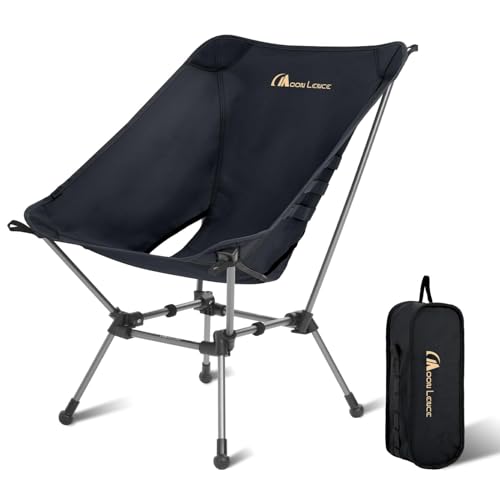
An ultralight camping chair is a portable seat engineered around a simple principle: remove every gram that does not contribute to sitting comfort or structural integrity. Compared to traditional folding camp chairs, ultralight models use thinner aluminum or carbon fiber frames, tensioned fabric seats, and compact hub-and-pole assemblies that collapse into a stuff sack roughly the size of a water bottle.
The category spans a wide range. At one end, entry-level tripod stools weigh barely more than a pound but offer minimal back support. At the other, premium and top-tier backpacking chairs combine a full backrest, a stable quad-leg base, and reinforced fabric while still packing small enough to lash to a daypack. Understanding this spectrum is the key to avoiding a purchase that feels too flimsy on one trip or too heavy on the next.
Key Factors to Evaluate Before You Buy
Weight and Packed Size
Weight is the headline spec, but packed size matters just as much. A chair that weighs very little but refuses to fit inside your pack forces you to strap it externally, where it snags on brush and shifts your center of gravity. Look for packed dimensions that match your carrying method: internal pack storage, side pocket, or external lash points. A balanced-tier chair typically packs to roughly the size of a large thermos, while the most compact starter-tier designs collapse to a slender wand shape.
Frame Material and Construction
Aluminum alloy is the workhorse of the category. It offers a strong strength-to-weight ratio, resists corrosion, and flexes slightly under load instead of snapping. Carbon fiber frames push weight lower but demand more careful handling and usually sit in the high-end tier. Whatever the material, inspect the joints: reinforced hubs, machined connection points, and shock-corded poles indicate durable construction that will survive repeated setup and teardown.
Weight Capacity and Stability
A chair rated well above your body weight gives you a safety margin for uneven ground, shifting loads, and the occasional clumsy sit-down. Mid-range models commonly support around 250 to 300 pounds, while professional-grade and commercial-grade frames are rated higher. Stability is a separate matter: four-leg quad chairs resist tipping better than tripods, and wide feet or sled bases prevent sinking into soft soil. If you camp on sand, gravel, or rocky ground, prioritize base geometry over the last few ounces of weight savings.
Seat Comfort and Ergonomics
Ultralight does not have to mean uncomfortable. Seat depth, backrest height, and fabric tension determine how a chair feels after an hour of sitting. Entry-level chairs often use a shallow scoop seat that suits short breaks. Mid-range and premium chairs add deeper seats, higher backs, and shaped fabric panels that cradle the body. If you plan to read, cook, or lounge at camp, a chair with a supportive backrest is a worthwhile investment in long-term enjoyment.
Fabric and Weather Resistance
Ripstop nylon and polyester are the standard seat materials because they are light, strong, and quick to dry. Higher-tier chairs may add UV-resistant coatings, water-repellent finishes, or reinforced stitching at stress points. If your trips involve damp mornings or unexpected showers, a chair with a weather-resistant coating and rust-proof frame finish will hold up better across seasons.
Design Tiers: Which One Fits Your Trips?
The table below summarizes how the main design tiers differ in intent and capability. Use it to match a chair to your typical adventure rather than chasing the single lightest option.
Starter Tier
Tripod stools and minimal sling chairs. Lightest packed size, simple construction, best for fast-and-light hikes and short rest stops.
Mid-Range / Balanced Tier
Quad-leg chairs with a proper backrest and deeper seat. The sweet spot for weekend backpacking and car camping.
Premium / Top-Tier
Refined frames, reinforced hubs, ergonomic seats. Built for frequent use, longer trips, and comfort-focused campers.
Ultralight Camping Chair Comparison by Category
This side-by-side view uses universal quality descriptors rather than numeric figures, so it stays useful regardless of market changes.
| Tier | Best For | Frame Style | Comfort Profile | Portability |
|---|---|---|---|---|
| Entry-level | Day hikes, minimalists | Tripod or sling | Basic, short sits | Highest |
| Mid-range | Weekend backpacking | Quad-leg aluminum | Supportive backrest | High |
| Premium | Frequent campers | Reinforced alloy or carbon | Ergonomic, deep seat | Moderate to high |
| Top-tier | Long expeditions | Advanced alloy, machined hubs | Full-back lounge feel | Moderate |
How to Choose the Right Ultralight Chair for Your Needs
Start with the trip, not the spec sheet. A fast day hike rewards a starter-tier tripod stool that disappears into a pack pocket. A multi-night backpacking route calls for a balanced-tier quad chair with a backrest, because sleep and recovery matter as much as mileage. Car campers and festival-goers can afford a slightly heavier premium model with a wider seat and more stable base, since the chair travels from trunk to campsite rather than up a mountain.
Next, consider the terrain. Soft sand and loose gravel demand wider feet or a sled base to prevent sinking. Rocky, uneven ground rewards a rigid frame and four-point stability. If you often sit for hours, prioritize backrest height and seat depth over the final ounces. And if you hike in wet climates, check for rust-proof finishes and quick-dry fabrics.
Finally, think about longevity. A top-tier chair with reinforced hubs and high-grade fabric is a long-term investment that may outlast two or three entry-level replacements. For casual users, a mid-range model offers competitive value within its class without overpaying for features you will not use. If you are also outfitting a full camp kit, our guide to travel chairs covers adjacent seating options, and our overview of ultra-light folding chairs for outdoor activities explores ultra-compact alternatives for day use.
Setup, Care, and Longevity Tips
Ultralight chairs reward gentle handling. Assemble the frame on flat ground, seat the pole ends fully before applying weight, and avoid twisting the fabric while inserting the last pole. After use, wipe down the frame with a damp cloth, allow the fabric to air-dry fully, and store the chair loosely in its stuff sack rather than compressed for months. Check shock cords and hub joints at the start of each season; replacing a worn cord is far easier than repairing a bent frame.
For campers building a broader outdoor setup, our guides to travel loungers and waterproof outdoor chairs offer complementary options for lounging and wet-weather seating.
Frequently Asked Questions
How much does an ultralight camping chair typically weigh?
Ultralight camping chairs generally fall between one and three pounds. Entry-level and mid-range models often sit near the upper end, while premium and top-tier backpacking chairs can drop closer to the one-pound mark. The lightest designs use aluminum or carbon fiber frames and minimal fabric.
What weight capacity should I look for in a lightweight camp chair?
Most mid-range and premium ultralight chairs support between 250 and 300 pounds, while some top-tier and professional-grade models are rated higher. Always check the manufacturer's stated capacity and match it to the heaviest user, leaving a safety margin for uneven ground.
Are ultralight camping chairs comfortable enough for long trips?
Comfort depends on the design tier. Entry-level chairs prioritize minimal packed size and may feel basic, while mid-range and premium models add deeper seats, higher backrests, and better fabric tension. For extended trips, a balanced-tier or high-end chair with a wider seat and supportive back is usually worth the modest weight gain.
Can ultralight camping chairs handle rough terrain and rocky ground?
Many lightweight chairs use narrow feet that can sink into soft ground or wobble on rocks. Mid-range and premium models often include wider feet or a sled-style base for stability. On rocky or uneven terrain, choose a chair with a sturdy frame and stable base geometry rather than the absolute lightest option.
How do I choose between a tripod, quad, and rocker-style ultralight chair?
Tripod chairs are the lightest and pack smallest but offer less back support. Quad chairs with four legs provide more stability and a proper seat height, making them a solid mid-range choice. Rocker-style ultralight chairs add motion comfort for camp lounging but weigh slightly more and suit flat ground best.
Ready to narrow down your options? Browse the curated picks below to compare frame styles, comfort profiles, and portability at a glance.
Every recommendation is organized by tier so you can match a chair to your trip type with confidence.