Umbrella Base Table: The Complete Buying Guide
Discover how an umbrella base table keeps your patio shade stable, safe, and stylish. Compare designs, materials, and setup strategies before you choose.
START EXPLORINGWhy an umbrella base table matters: A patio umbrella is only as reliable as the base that holds it. An umbrella base table combines a stable anchor with a small surface for drinks, books, or décor — making it one of the most practical outdoor accessories for any deck, balcony, or backyard. This guide explains how these bases work, what separates a solid build from a flimsy one, and how to match a base to your umbrella and outdoor space.
What Is an Umbrella Base Table?
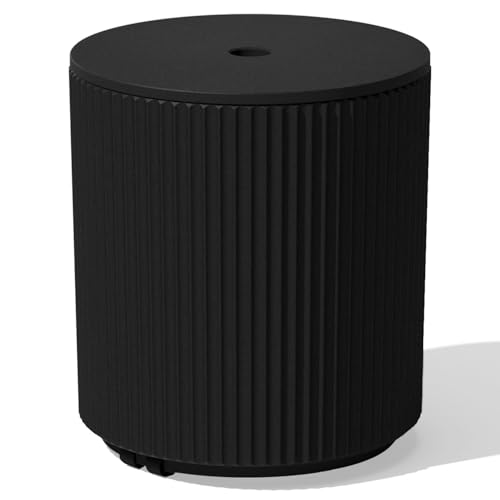
An umbrella base table is a freestanding or semi-freestanding accessory that anchors a patio umbrella while doubling as a small utility surface. Instead of a simple weighted disc, these designs typically feature a flat top or a compact tabletop around the umbrella pole. That combination solves two common outdoor problems at once: umbrella stability and a convenient place to set down a drink, a plant, or a plate.
Most umbrella base tables are designed for market umbrellas, which use a central pole. They range from compact weighted bases that sit directly on the ground to table-style units with a built-in surface. If you already have a dining or lounge setup with a central hole, you may not need a separate base — but for freestanding shade in an open area, an umbrella base table is the anchor that makes everything work.
How an Umbrella Base Table Works
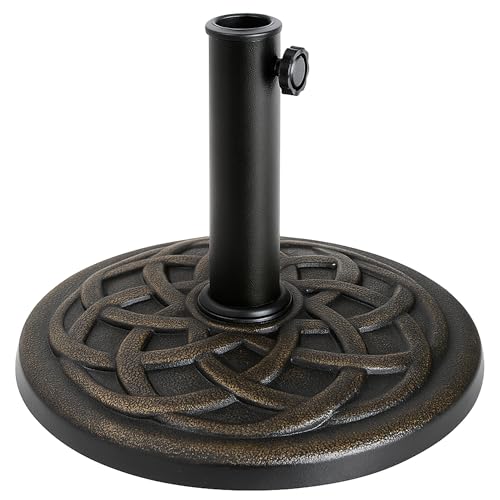
The principle is simple: mass plus a wide footprint resists tipping. The umbrella pole slides through a central collar, and the base's mass — often stone, concrete, resin, or steel — holds the pole upright against wind and accidental bumps. Table-style bases add a horizontal surface around the collar, which can be used for small items but also adds structural rigidity.
There are two broad configurations worth understanding:
- Weighted base with a small top: A compact unit that anchors the umbrella and offers a limited flat surface. Best for balconies and tight corners.
- Table-style base: A wider, furniture-like piece with a more generous top. Best for freestanding shade next to lounge chairs or in open patio areas.
In both cases, the critical performance factors are weight distribution, pole collar fit, and material durability. A base that is heavy enough but poorly fitted to the pole will wobble; a base that fits perfectly but is too light will tip in a gust. The right balance of both is what makes a base reliable season after season.
Types of Umbrella Base Tables
Choosing the right type starts with your umbrella style and where it will stand. Below are the most common categories, described by market position and typical use rather than by any numeric measure.
Weighted Plate Bases
These are the simplest designs: a heavy plate, often square or round, with a central collar. They are usually entry-level to mid-range in construction, with the more durable versions using cast stone or resin-filled housings. They work best when the umbrella is placed through an existing table hole or on a flat, stable surface. Their main limitation is that they offer little or no usable surface area.
Table-Style Bases
Table-style bases add a usable top around the pole. Mid-range and premium versions often use powder-coated steel or aluminum frames with weather-resistant finishes. These are a strong fit for freestanding shade on a patio, since the tabletop provides a natural spot for a drink or a small planter. Many pair well with a table and chairs set with umbrella or a standalone teak outdoor dining table with umbrella hole.
Cantilever and Offset Bases
Offset umbrellas need a different anchor — usually a heavy cross-base or a base that extends under furniture. These are typically high-end tier or commercial-grade because the leverage forces are larger. If you are considering an offset shade solution, review the 10 ft outdoor cantilever hanging patio umbrella guide to understand base requirements before pairing components.
In-Ground and Bolt-Down Bases
For permanent installations, in-ground sleeves and bolt-down plates provide the most stable anchor. These are often professional-grade or commercial-grade and are best suited to fixed patios. If you prefer a permanent furniture arrangement, the outdoor furniture that can be bolted down overview is a useful companion read.
Comparing Umbrella Base Options
The table below summarizes the main categories by tier and best use. It is designed to help you shortlist the right format before you compare specific models.
| Type | Tier | Best For | Key Consideration |
|---|---|---|---|
| Weighted plate base | Entry-level to mid-range | Umbrellas through existing table holes | Confirm collar diameter and plate footprint |
| Table-style base | Mid-range to premium | Freestanding shade with a utility surface | Check top surface stability and finish |
| Cantilever base | High-end tier to commercial-grade | Offset umbrellas over seating or dining | Requires larger counterweight and clearance |
| In-ground / bolt-down | Professional-grade | Permanent patios and windy locations | Installation is not reversible without repair |
| Resin-filled mobile base | Mid-range | Flexible layouts and seasonal repositioning | Verify fill capacity and wheel durability |
Key Buying Factors
Before choosing an umbrella base table, work through the following factors. Each one affects stability, safety, and long-term satisfaction.
1. Match the Base to Your Umbrella
Pole diameter and umbrella canopy size are the two most important compatibility checks. A large canopy catches more wind and needs a heavier, wider base. Always confirm the pole diameter against the base collar, and check the manufacturer's wind rating for the umbrella itself. If you are still comparing shade options, the 9 foot patio umbrella with solar lights and turquoise patio umbrella with solar lights guides cover canopy sizing and lighting features.
2. Weight and Counterweight Strategy
Weight is the single biggest factor in stability. Fixed-weight bases are simple but harder to move; fillable bases let you add water or sand after placement, which is easier on delivery but requires careful filling. Mid-range and premium fillable bases often include secure caps and reinforced seams. For windy or exposed locations, choose the heaviest option your umbrella supports and consider a high-end tier base.
3. Material and Finish
Outdoor bases face sun, rain, and temperature swings. Look for weather-resistant coatings, rust-proof finishes on metal components, and UV-stable resin or cast stone. Powder-coated steel and aluminum are common in mid-range and premium units; cast stone and concrete are common in heavier fixed bases. A solid build with reinforced collars lasts longer than a thin shell, even if both look similar at first glance.
4. Surface Area and Practicality
If you want the base to double as a small table, check the usable top area and whether it is flat enough for a drink or a plant. Table-style bases are more practical for lounging, while compact plate bases are better where floor space is limited. For small outdoor areas, the outdoor lounge furniture for small spaces guide offers layout ideas that pair well with compact bases.
5. Portability and Storage
Heavy bases are stable but difficult to move. If you rearrange your patio seasonally, consider a fillable base with handles or a base with locking casters. If your patio is fixed, a heavier base is usually the better long-term investment. Pair the base with a matching furniture set — for example, a 3 piece wicker patio set or a 5 piece outdoor dining set with umbrella hole — to keep the layout coherent.
6. Safety and Wind Exposure
Never rely on a lightweight base in an exposed area. Close or remove the umbrella during high winds, and check that the base collar locks the pole securely. If your patio is elevated or open to coastal breezes, lean toward the heavier, wider options and consider a permanent anchor. The best outdoor furniture for hot climates guide is a useful reference for materials that handle intense sun and heat.
Quick tip: Measure the distance from your umbrella pole to the edge of your table or seating before choosing a base. Table-style bases need clearance for chairs and foot traffic, while plate bases need a flat, level surface to sit securely.
Setup and Maintenance Tips
A well-installed base performs better and lasts longer. Use these practical steps to get the most from your umbrella base table:
- Place the base on a level, solid surface — pavers, concrete, or a stable deck. Avoid soft ground unless the base is designed for it.
- Fill fillable bases completely and tighten caps firmly before inserting the umbrella.
- Insert the pole fully into the collar and secure any locking screw or pin.
- Check tightness at the start of each season and after strong storms.
- Clean metal components with mild soap and water; touch up any scratches on powder-coated finishes to prevent corrosion.
- Store removable cushions and umbrellas during off-season to reduce wear. If your furniture includes storage, the outdoor furniture with storage overview can help you plan a tidy setup.
For broader seasonal care, see the related outdoor furniture guides and the stained concrete patio article if you are refreshing the surface beneath your setup.
Matching the Base to Your Patio Layout
Umbrella base tables work best when they fit the surrounding furniture, not just the umbrella. A few layout patterns are especially common:
Dining-focused layouts: Pair a table-style base with a dining set that has a central hole, or use a freestanding base beside a 5 piece outdoor dining set round table. For larger groups, the 9 piece outdoor dining set with umbrella hole keeps shade centered over the table.
Lounge-focused layouts: Place a compact table-style base between lounge chairs so the shade covers seating without blocking walkways. The outdoor lounge chair with hole for face is a niche but useful example of furniture designed around sun and shade positioning.
Mixed layouts: If your patio combines dining and lounging, choose a base that can move between zones. A mid-range fillable base with a small top is a flexible compromise. For ideas on combining seating and dining, see the outdoor L-shaped couch with dining table guide.
Compact and balcony layouts: A weighted plate base with a narrow footprint is often the best fit. Pair it with stackable or folding seating such as stackable lawn chairs to keep the space open.
Common Mistakes to Avoid
- Under-sizing the base: A base that is too light for the canopy is the leading cause of tipping. Match base weight to umbrella size and local wind exposure.
- Ignoring pole fit: A loose collar allows wobble even with a heavy base. Confirm the pole diameter before buying.
- Placing on uneven ground: A base on soft or sloped ground will lean. Use a flat, firm surface or add a stable pad.
- Skipping seasonal checks: Loose bolts, cracked resin, and worn caps are easy to miss. A quick seasonal inspection prevents accidents.
- Overloading the tabletop: A table-style base is for light items. Heavy planters or hot cookware can damage the finish or destabilize the unit.
Frequently Asked Questions
Do I need a separate base if my table already has an umbrella hole?
Not always. Many dining tables include a built-in umbrella hole and sometimes an integrated base ring. However, a separate weighted base underneath or around the pole adds stability, especially for larger canopies. Check the table's specifications before adding a second anchor.
Can an umbrella base table be used on a balcony?
Yes, provided the base is sized for the balcony's load capacity and the umbrella is not oversized for the space. Compact weighted plate bases are typically the safest choice for balconies because they have a smaller footprint and lower leverage.
How do I know if my base is heavy enough?
Match the base to the umbrella manufacturer's recommendation and to your local wind conditions. Larger canopies and exposed locations require heavier, wider bases. When in doubt, choose the heavier option within the umbrella's supported range.
Are fillable bases as stable as solid bases?
When filled correctly, fillable bases can be very stable. The trade-off is that stability depends on proper filling and secure caps. Solid cast-stone or concrete bases are simpler to trust but harder to move. Choose based on whether portability or maximum stability matters more.
What maintenance does an umbrella base table need?
Minimal but regular care: check tightness at the start of each season, clean metal surfaces with mild soap, touch up scratches on coated finishes, and inspect fillable bases for cracks. Store or cover the base during long off-seasons to extend its life.