Wicker Headboard: The Complete Buying & Design Guide
Everything you need to know about choosing a woven headboard — materials, styles, sizing, care, and how to style it for a bedroom that feels warm, textured, and timeless.
Why a wicker headboard? Few bedroom pieces add instant character like a wicker headboard. Its woven texture brings warmth and depth to a room, softens hard lines, and works beautifully across coastal, bohemian, farmhouse, and modern interiors. This guide walks you through the details that matter so you can choose a headboard you will enjoy for years.
What Is a Wicker Headboard?
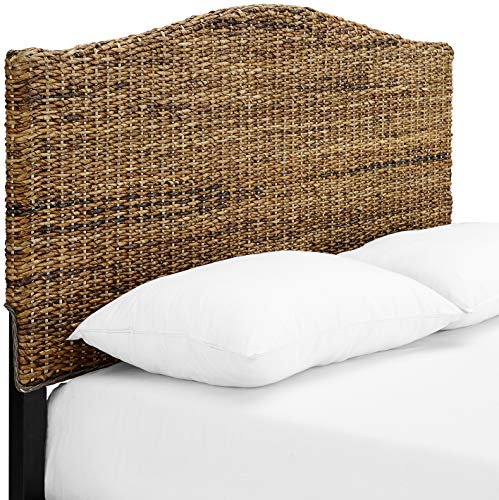
A wicker headboard is a bedroom headboard constructed from woven materials — traditionally rattan, willow, reed, or bamboo — that form an open, textured panel behind the bed. The term "wicker" refers to the weaving technique rather than a single material, which is why wicker headboards vary widely in appearance, from tightly woven geometric panels to loose, airy open-weave designs.
Because the weave allows air to circulate and light to pass through, a wicker headboard visually lightens a bedroom. It is an especially strong choice for smaller rooms where a solid upholstered or wooden headboard might feel heavy. If you are building a coordinated woven look, our guide to wicker furniture explains how headboards fit into a broader room scheme.
Wicker Headboard Styles & Design Options
The style you choose shapes the entire mood of the bedroom. Here are the most common wicker headboard styles and where each one shines.
1. Tightly Woven Panel Headboards
A tightly woven panel creates a nearly solid surface with fine, uniform texture. This style reads as clean and tailored, making it a natural fit for modern and minimalist bedrooms. Neutral tones such as natural, whitewashed, or black keep the look crisp, while the fine weave prevents the headboard from dominating the room.
2. Open-Weave & Lattice Headboards
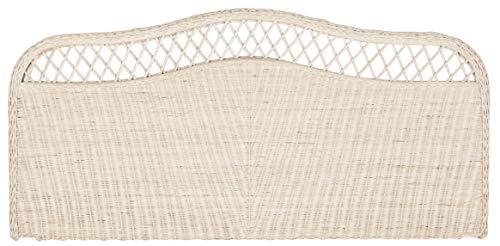
Open-weave designs feature visible gaps in the pattern, producing a lighter, more decorative effect. Lattice, diamond, and honeycomb patterns fall into this category. These headboards are ideal for coastal and bohemian bedrooms where you want texture without visual weight. They also pair well with layered linens and natural fiber rugs.
3. Arched & Scalloped Headboards
Curved silhouettes soften a bedroom and draw the eye upward. An arched or scalloped wicker headboard adds a romantic, vintage-inspired note that suits farmhouse and traditional interiors. Because the shape is a focal point, keep surrounding furniture simple and let the headboard lead the design.
4. Peacock & Statement Wicker Headboards
Some wicker headboards are designed as sculptural focal points, with dramatic fan, peacock, or geometric silhouettes. These pieces work best in rooms where the bed is the clear centerpiece. A statement headboard is a long-term design decision, so choose a shape that complements your architecture and will not feel dated quickly.
Quick Style Matching Guide
- Coastal: open-weave natural or whitewashed wicker, paired with light linens.
- Bohemian: arched or lattice designs with rattan accents and layered textiles.
- Farmhouse: scalloped or curved wicker in warm natural tones.
- Modern / Minimalist: tightly woven, low-profile panels in neutral or black.
- Traditional: statement silhouettes with fine, uniform weaving.
Natural Wicker vs. Synthetic Wicker
One of the most important decisions is the material itself. Both options offer the woven look, but they differ in character, durability, and upkeep.
| Feature | Natural Wicker | Synthetic Wicker |
|---|---|---|
| Appearance | Organic, authentic texture that develops character over time | Uniform, consistent finish with a manufactured look |
| Best For | Bedrooms with stable indoor climate | Humid rooms, high-traffic households |
| Durability | Durable construction when kept dry; susceptible to moisture | Highly weather-resistant coating and easy to wipe clean |
| Maintenance | Regular dusting, occasional gentle cleaning | Simple wipe-down with a damp cloth |
| Weight | Lightweight and easy to reposition | Typically slightly heavier for a more solid build |
| Tier | Entry-level to premium, depending on weave quality | Mid-range to high-end tier |
For most indoor bedrooms, natural wicker offers the most authentic look and a solid choice for the tier. If your home experiences high humidity or you want the easiest possible maintenance, synthetic wicker is the more forgiving option.
How to Choose the Right Size
Size is where many buyers second-guess themselves. A headboard that is too small looks disconnected from the bed, while an oversized one can overwhelm the room. Use these guidelines as a starting point.
- Width: Match the headboard to your mattress width, or choose one slightly wider for a more generous look.
- Height: A headboard that rises 24 to 36 inches above the mattress top is comfortable for sitting up in bed. Taller statement designs can reach higher but should suit the ceiling height.
- Proportion: In a small bedroom, keep the headboard low-profile to preserve an open feel. In a large bedroom, a taller, wider headboard anchors the bed visually.
- Clearance: Confirm that the headboard fits between nightstands without crowding them.
Measure your bed frame and wall space before ordering. If you are also refreshing your patio furniture, our measurement guide covers the same principle of measuring twice and ordering once.
How to Style a Wicker Headboard
A wicker headboard is versatile, but it rewards a few simple styling decisions.
Layering Textiles
Wicker's texture pairs beautifully with soft, natural fabrics. Linen, cotton, and washed percale bedding keep the look relaxed and airy. For a cozier feel, add a textured throw or a woven blanket that echoes the headboard's weave.
Pillow Arrangement
Keep the arrangement simple so the headboard remains visible. Two standard pillows plus one or two accent pillows is usually enough. In coastal and boho rooms, a long lumbar pillow in a contrasting natural tone works well.
Wall Color & Surroundings
Wicker stands out against both light and dark walls. White and cream walls create a soft, organic look, while deep green, navy, or charcoal walls make the woven texture pop. If you love natural wood tones, consider coordinating with other woven pieces such as a wicker nightstand or a wicker dresser for a cohesive bedroom.
Lighting
Wall-mounted sconces or a small table lamp on each nightstand frame the headboard without obscuring it. Warm-toned bulbs enhance the natural color of wicker.
Care & Maintenance
Wicker headboards are relatively low-maintenance, but a little routine care keeps the weave looking its best.
- Dust weekly. Use a soft brush, a microfiber cloth, or a vacuum with a brush attachment to lift dust from the weave.
- Clean gently. For deeper cleaning, wipe with a damp cloth and a small amount of mild soap, then dry immediately with a clean towel.
- Avoid excess moisture. Do not soak the weave and keep the headboard away from humidifiers, open windows during rain, and damp walls.
- Inspect the weave. Periodically check for loose strands or splinters and trim or repair them promptly to prevent further damage.
- Protect from direct sun. Prolonged sunlight can fade natural wicker, so position the bed away from harsh afternoon light when possible.
If your bedroom also opens onto a patio, our weatherproofing guide is a helpful companion for protecting any woven pieces that live near the transition between indoors and out.
Common Mistakes to Avoid
- Ignoring the weave density. A loose weave is decorative but offers less privacy; a tight weave feels more solid. Choose according to the look you want.
- Ordering without measuring. Confirm width, height, and clearance before you commit.
- Placing near moisture. Natural wicker and damp walls are not a good combination.
- Overmatching. Pairing a wicker headboard with too many other woven pieces can feel busy. Balance is key.
- Neglecting the frame. The quality of the frame behind the weave matters as much as the weave itself.
Frequently Asked Questions
Is a wicker headboard suitable for everyday bedroom use?
Yes. A wicker headboard is a practical choice for everyday bedroom use as long as it is crafted from durable woven materials and placed away from direct moisture. Wicker adds texture and warmth while remaining lightweight and relatively easy to maintain.
How do I clean and maintain a wicker headboard?
Dust your wicker headboard weekly with a soft brush or vacuum attachment. For deeper cleaning, wipe with a damp cloth and mild soap, then dry thoroughly. Avoid soaking the weave and keep the headboard away from excessive humidity to prevent warping or mold.
What size wicker headboard should I choose for my bed?
Match the headboard width to your mattress size: twin, full, queen, or king. A headboard that is slightly wider than the mattress creates a more balanced look. Also consider height, since taller headboards make a stronger visual statement while lower profiles keep the room feeling open.
Can a wicker headboard work in modern or minimalist bedrooms?
Absolutely. Choose a tightly woven, low-profile design in a neutral tone for a clean, modern look. Wicker pairs well with crisp linens and simple furniture, adding natural texture without overwhelming a minimalist space.
Is natural wicker better than synthetic wicker for a headboard?
Natural wicker offers an authentic, organic look and ages gracefully indoors, while synthetic wicker is more resistant to humidity and easier to wipe clean. For bedrooms with stable indoor climate, natural wicker is an excellent choice; for humid rooms, synthetic wicker is more forgiving.
Ready to Choose Your Wicker Headboard?
Use the guide above to narrow down your style, material, and size — then explore the recommended options below to find the perfect woven headboard for your bedroom.