Wicker Dresser Buying Guide: Styles, Materials & Care
Everything you need to choose a woven storage piece that fits your space, holds up over time, and looks beautiful in any room.
A wicker dresser brings warmth, texture, and a relaxed natural feel to a bedroom, hallway, or sunroom. Unlike solid wood case goods, woven furniture adds visual depth without feeling heavy, which makes it a smart fit for smaller rooms and light-filled spaces alike. Whether you are furnishing a coastal cottage, a boho apartment, or a covered porch, understanding how wicker dressers are built helps you choose a piece that stays beautiful for years.
This guide walks you through the material options, weave styles, construction details, and care routines that separate a well-made wicker dresser from one that sags or splinters after a season. If you are also furnishing adjacent spaces, our overview of wicker furniture is a useful companion read, and our guide to wicker indoor furniture covers coordinating pieces for the same room.
What Is a Wicker Dresser?
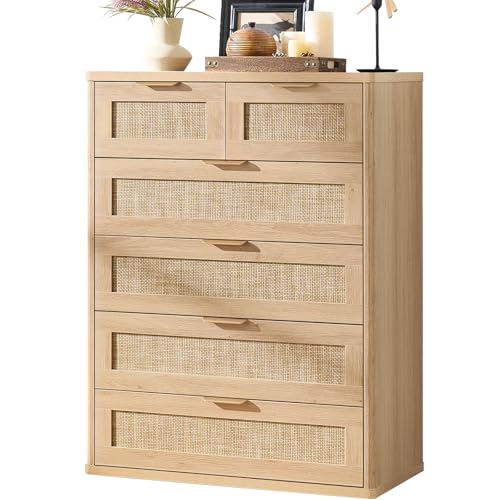
A wicker dresser is a chest of drawers built with a woven exterior, typically over a solid frame of wood, engineered wood, or metal. The term "wicker" refers to the weaving technique rather than a single material, so a wicker dresser may be woven from rattan, willow, bamboo, seagrass, or synthetic resin strands. The drawers themselves are usually solid panels hidden behind the woven facade, while the visible surface carries the basket-like texture that defines the look.
Because the weave is the star of the show, construction quality matters more than ever. A tight, even weave with no gaps signals careful craftsmanship, while loose or uneven strands often point to lower-tier manufacturing. The frame underneath carries the load, so a dresser with a sturdy hardwood or powder-coated metal frame will outlast one built on thin particle board.
Natural vs. Synthetic Materials
The material determines where your dresser can live and how much upkeep it needs. Here is how the two main categories compare.
Natural Wicker (Rattan, Willow, Seagrass, Bamboo)
- Look and feel: Warm, organic, and slightly irregular in tone, which gives each piece character.
- Best placement: Bedrooms, hallways, living rooms, and covered porches protected from direct rain.
- Durability: Good in dry, stable climates. Natural fibers absorb moisture and can warp or develop mildew if left damp.
- Care: Dust regularly, keep away from prolonged direct sun, and re-seal every few years to prevent drying and cracking.
Synthetic Resin Wicker
- Look and feel: Very close to natural rattan, often with a uniform color and finish.
- Best placement: Sunrooms, covered patios, and any space with humidity or temperature swings.
- Durability: Resists moisture, UV fading, and pests. High-grade resin weaves can last many seasons outdoors.
- Care: Wipe with mild soap and water; no re-sealing required.
If the dresser will sit near an open window, in a bathroom-adjacent hallway, or on a covered porch, synthetic resin is the safer bet. For a climate-controlled bedroom, natural rattan offers a richer texture and ages gracefully. Pair either option with a weatherproof outdoor storage cabinet if you plan to keep linens or seasonal items nearby in a semi-outdoor space.
Popular Styles and Weaves
Wicker dressers come in a range of silhouettes and weave patterns. Matching the style to your room's design language keeps the piece from looking out of place.
Classic Six-Drawer Dresser
The most common configuration, with two columns of three drawers. It suits bedrooms and guest rooms where you need generous folded storage. Look for smooth-glide drawers and a reinforced top that can hold a lamp and decor without bowing.
Three-Drawer Chest
Compact and versatile, a three-drawer wicker chest works well in hallways, entryways, and smaller bedrooms. It is also a natural fit beside a wicker headboard for a coordinated bedroom set.
Dresser with Open Shelving
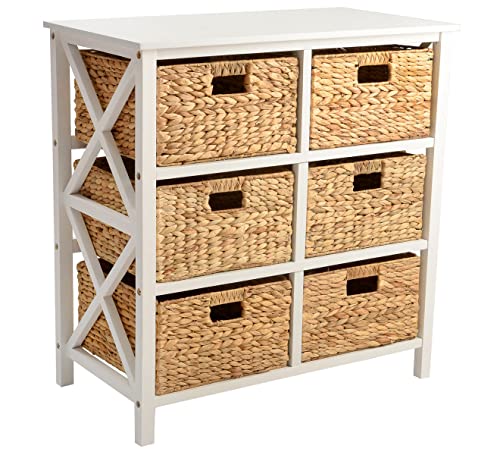
Some designs combine drawers with open cubbies or shelves, which adds display space for books and baskets. These hybrid pieces are practical in living areas where the dresser doubles as a console.
Weave Patterns
- Open weave: Airy and casual, but shows contents more easily and collects dust in the gaps.
- Tight basket weave: Cleaner look, better structural integrity, and easier to wipe down.
- Herringbone or diagonal weave: Adds visual interest and is common on premium and luxury-tier pieces.
- Wrapped frame edges: A sign of careful finishing; the weave wraps around corners instead of stopping abruptly.
For a cohesive bedroom, consider how the dresser relates to seating and side pieces. Our guides to wicker nightstands and wicker benches cover complementary furniture that shares the same weave language.
Quality Tiers to Know
Rather than shopping by number, it helps to understand where a wicker dresser sits on the quality spectrum. The table below describes what each tier typically delivers in construction and finish.
| Tier | Frame & Weave | Best For |
|---|---|---|
| Entry-level | Light frame, machine-woven synthetic strands, basic drawer glides | Guest rooms, seasonal use, first apartment |
| Mid-range | Solid wood or reinforced metal frame, tighter weave, smoother glides | Primary bedrooms, hallways, everyday use |
| Premium | Hardwood frame, hand-finished weave, sealed natural rattan or high-grade resin | High-traffic rooms, covered porches, long-term placement |
| Luxury | Kiln-dried hardwood, artisanal weaving, premium hardware and protective finish | Design-led interiors, statement bedroom pieces |
Mid-range pieces often offer the best balance for most homes: the weave is tighter than entry-level options, the frame is sturdier, and the drawer action feels noticeably smoother. Premium and luxury tiers make sense when the dresser will be a focal point or sit in a semi-outdoor space where durability is critical.
Buying Checklist
Use this checklist when comparing wicker dressers in person or online.
- Measure the footprint: Confirm the dresser width, depth, and height against your wall space and doorway clearance.
- Inspect the frame: Look for a solid wood, engineered hardwood, or powder-coated metal frame. Avoid frames that flex when you press the sides.
- Check weave tightness: Strands should be evenly spaced and firmly secured, with no gaps or protruding ends.
- Test the drawers: Glides should move smoothly and stop evenly. Dovetail or reinforced joints signal better construction.
- Review the finish: A sealed or lacquered surface protects against humidity and everyday wear.
- Confirm intended placement: Natural wicker for indoor, climate-controlled rooms; synthetic resin for covered outdoor or humid spaces.
- Plan for care: Factor in regular dusting and periodic re-sealing for natural fibers.
Room-by-Room Placement
Wicker dressers are more versatile than their bedroom-only reputation suggests. Here is where they work best.
Bedroom
The classic placement. Pair a six-drawer wicker dresser with a wicker headboard and wicker nightstands for a cohesive, textured look. Keep the dresser out of direct sun to protect natural fibers.
Entryway or Hallway
A three-drawer chest or console-height dresser gives you hidden storage for keys, mail, and gloves. Add a wicker bench nearby for a practical drop zone.
Sunroom or Covered Porch
Choose synthetic resin wicker and pair it with weather-resistant accessories. A weatherproof storage cabinet can handle overflow items, and a wicker furniture set ties the seating area together.
Living Room
A dresser with open shelving can serve as a media console or display piece. Coordinate with a wicker coffee table and wicker end tables for a unified woven theme.
Care and Maintenance
With a simple routine, a wicker dresser can stay in good condition for many years.
Routine Cleaning
- Dust weekly with a soft brush or a vacuum fitted with a brush attachment.
- For deeper cleaning, wipe with a cloth dampened with mild soap and water, then dry immediately.
- Do not soak the weave or use harsh chemical cleaners, which can dry out natural fibers.
Protecting Natural Wicker
- Keep the dresser out of prolonged direct sunlight to prevent fading and cracking.
- Re-seal the weave every few years with a product made for rattan or wicker.
- Avoid placing the dresser directly against a damp exterior wall.
Protecting Synthetic Resin Wicker
- Rinse with a garden hose if placed outdoors, then wipe dry.
- Use a cover during long periods of disuse or harsh weather.
- Check for loose strands occasionally and trim any that work free.
If your dresser sits on a covered porch, pair it with waterproof outdoor wicker furniture covers and keep nearby textiles in a waterproof outdoor storage box. For indoor bedrooms, a waterproof outdoor storage bench at the foot of the bed adds hidden storage for extra linens.
Frequently Asked Questions
Is a wicker dresser suitable for outdoor use?
Traditional natural wicker is best kept indoors or in covered, sheltered areas because it absorbs moisture and can warp. However, synthetic resin wicker is engineered for outdoor use and resists moisture, UV rays, and temperature swings, making it a solid choice for covered porches and sunrooms.
How do I clean a wicker dresser without damaging the weave?
Dust regularly with a soft brush or vacuum using a brush attachment. For deeper cleaning, wipe with a slightly damp cloth and mild soap, then dry immediately. Avoid soaking the weave and keep the piece out of direct prolonged sunlight to prevent drying and cracking.
What should I look for in a durable wicker dresser?
Check the frame material, weave tightness, and finish. A solid wood or metal frame with a tightly woven, evenly finished surface signals better construction. Reinforced corners, smooth drawer glides, and a protective sealant are hallmarks of higher-tier pieces.
Can a wicker dresser be repainted or restained?
Yes, many wicker dressers can be refreshed with spray paint formulated for wicker or rattan. Clean and dry the surface thoroughly first, apply thin coats, and finish with a clear protective sealant to extend the life of the finish.