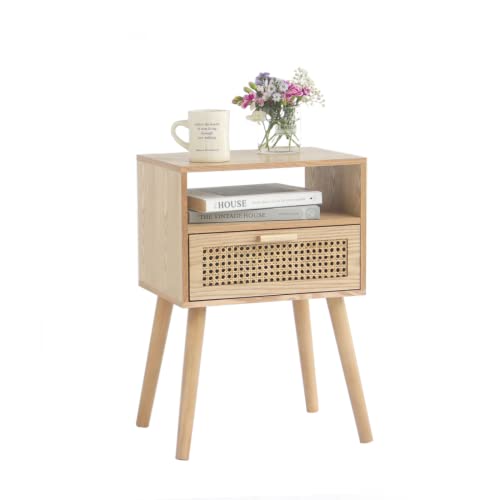
Wicker Nightstand: The Complete Buying Guide
Everything you need to choose a woven bedside table that fits your space, holds up to daily use, and matches your bedroom or porch style.
Start With The Buying ChecklistWhy this guide exists: A wicker nightstand looks simple, but the difference between a piece that lasts a decade and one that sags within a season comes down to frame material, weave density, and where you place it. This guide walks you through each decision in plain language so you can buy with confidence.
What Exactly Is a Wicker Nightstand?
A wicker nightstand is a bedside storage table built by weaving flexible strands around a structural frame. The word "wicker" describes the weaving technique, not the material itself. That distinction matters when you shop, because two nightstands that look nearly identical can be made from very different inputs.
The woven surface is typically one of two categories:
- Natural fiber wicker — rattan, willow, seagrass, water hyacinth, or bamboo strips. These offer warm texture and an organic look, and they suit bedroom and covered porch settings.
- Synthetic resin wicker — polymer strands extruded to mimic natural weave. These resist moisture and UV exposure far better and are the standard choice for open-air use.
The frame underneath is usually solid wood, engineered wood, powder-coated metal, or rattan pole. The frame carries the load; the weave provides the look. A nightstand with a strong frame and a well-tensioned weave is the combination you want.
Frame and Weave: Where Durability Actually Comes From
Shoppers often focus on the visible weave, but the frame determines how the piece ages. Here is how the common options compare.
Frame Materials
| Frame Type | Best For | What To Know |
|---|---|---|
| Solid hardwood | Indoor bedrooms, long-term use | Heavy-duty and stable; holds drawer alignment well over years |
| Engineered wood | Entry-level and mid-range indoor pieces | Lighter and more economical; keep away from damp floors |
| Powder-coated metal | Covered patios and dual-use rooms | Rust-proof finish when coating is intact; excellent for humid climates |
| Rattan pole | Lightweight accent pieces | Authentic look; better suited to dry, indoor conditions |
Weave Quality
Run your hand across the weave. Strands should feel tight and evenly spaced, with no gaps that expose the frame. Loose or uneven weave is the first thing to fail, and it usually signals a starter-tier build. Check the corners and the underside of the top, where manufacturers cut corners when they cut quality. A tight, uniform pattern in hidden areas is a strong sign of a well-made piece.
For a deeper look at how woven furniture is constructed across categories, our guide to wicker furniture construction and materials covers frame types, joinery, and finish options in more detail.
Storage Configurations: Matching the Nightstand to Your Routine
The right storage layout depends on what you actually keep beside the bed. Think through your nightly routine before choosing a configuration.
| Configuration | Typical Tier | Best For |
|---|---|---|
| Open shelf only | Essential tier | Books, a lamp, and a charging cable; small bedrooms |
| Single drawer plus shelf | Balanced tier | Everyday clutter control with quick-access storage |
| Two or three drawers | Premium tier | Full bedside organization; pairs well with a larger bed |
| Drawer plus lower cubby | Mid-tier | Mixed storage for readers and remote workers |
| Open-back console style | High-end tier | Narrow spaces; also works as a sofa-side table |
Drawer hardware deserves a moment of attention. Wood-on-wood runners are common at the entry-level, while mid-range pieces typically add metal glides and high-end tier models use ball-bearing slides. If the nightstand will be opened every night, smoother runners are worthwhile. Test the drawer in person if you can, or read reviews that specifically mention drawer movement.
Measurement tip: The top of the nightstand should sit roughly level with, or a little below, the top of your mattress. Measure the gap between your bed frame and the nearest wall or furniture before ordering. A nightstand that is too wide blocks access; one that is too tall makes reaching for a glass awkward.
Indoor Bedroom vs. Covered Porch: Choosing the Right Build
The single biggest decision is where the nightstand will live. This determines whether natural fiber or synthetic weave is appropriate.
For Bedroom Use
Natural rattan and seagrass bring warmth and texture that synthetic materials struggle to match. In a climate-controlled room, these materials hold up well provided you keep them away from direct moisture sources such as a bathroom door or a humidifier. A wicker nightstand in a bedroom also pairs naturally with other woven pieces, so consider whether you want a matching set with a wicker dresser or a wicker headboard for visual continuity.
For Covered Porch or Sunroom Use
If the piece will sit on a covered porch, beside a reading chair in a sunroom, or in a guest room that opens to the outside, synthetic resin wicker over a metal frame is the safer build. Look for descriptions that mention a weather-resistant coating or a rust-proof finish. Pair it with a weatherproof outdoor side table approach: sealed joints, UV-stable finish, and drainage-friendly surfaces.
If your porch sees wind-driven rain, treat the nightstand the way you would any exposed piece. Our weatherproofing guide explains how to seal joints, protect hardware, and extend the service life of woven furniture in mixed climates.
Style Pairings That Work
Wicker is a texture, and texture is the easiest way to add depth to a room without adding color. Here are the pairings that read well in practice:
- Coastal bedroom — natural rattan nightstand, white bedding, linen curtains, and a woven wicker bench at the foot of the bed.
- Warm minimalist — a single-drawer woven nightstand in a neutral tone beside a low platform bed, with a ceramic lamp and one book.
- Rustic farmhouse — seagrass or willow weave paired with painted wood, a wicker rocking chair in the corner, and warm task lighting.
- Bohemian layered look — mixed weaves, layered textiles, and a wicker ottoman or wicker end tables used as secondary surfaces.
If you are furnishing a whole room, a coordinated wicker furniture set is easier to match than assembling individual pieces over time, though mixing is often the more personal result.
Care and Maintenance
Wicker responds well to routine attention. The rules are simple and take only a few minutes a month.
- Dust weekly with a soft brush or a vacuum brush attachment on low suction. Work along the direction of the weave.
- Wipe spills immediately with a slightly damp cloth and mild soap. Dry the area fully; never let water sit in the weave.
- Deep clean seasonally by wiping with a damp cloth, then drying in shade rather than direct sun, which can fade and dry out natural fibers.
- Control humidity indoors. Natural wicker in a very dry room can become brittle; in a very damp room it can develop mildew. Steady conditions are best.
- Protect the finish on synthetic pieces with a furniture cover during off-season storage, and check that hardware stays dry.
If your woven pieces live outside, the maintenance routine overlaps with outdoor furniture care more broadly. Our guides on wicker patio furniture replacement cushions and waterproof wicker furniture covers cover the companion pieces that keep a woven setup protected.
The Buying Checklist
Use this sequence when you are comparing options. It moves from the decisions that are hardest to change later to the ones that are easiest.
- Location first. Indoor, covered porch, or exposed? This decides natural versus synthetic weave.
- Measure the space. Width, depth, and height relative to the mattress. Leave walking clearance.
- Choose storage. Open shelf, one drawer, or multiple drawers based on your nightly routine.
- Check the frame. Solid hardwood or powder-coated metal for longevity; engineered wood is fine at the entry-level if kept dry.
- Inspect the weave. Tight, even strands with no exposed frame, including in hidden corners.
- Test the drawer action or read reviews that mention it.
- Confirm the finish. Sealed or coated surfaces are easier to maintain than raw fiber.
- Plan the care routine. Dusting and immediate spill response are the two habits that matter most.
Ready to Compare Options?
Browse a curated selection of wicker nightstands below, organized by storage style and build. Use the checklist above to narrow the field quickly.
View Wicker Nightstand OptionsFrequently Asked Questions
What is a wicker nightstand made of?
A wicker nightstand is built on a frame, usually solid wood, engineered wood, metal, or rattan pole. The wicker surface is either natural plant fiber such as rattan, willow, or seagrass, or synthetic resin wicker made from weather-resistant polymer strands.
Can a wicker nightstand be used outdoors?
Only models built for exterior use should stay outdoors. Look for synthetic resin weave over a rust-proof or aluminum frame, plus a weather-resistant coating. Natural fiber nightstands are intended for indoor or covered porch use.
How do I clean a wicker nightstand?
Dust weekly with a soft brush or vacuum brush attachment. For deeper cleaning, wipe with a slightly damp cloth and mild soap, then dry immediately. Avoid soaking natural fibers and keep the piece out of direct rain.
Is a wicker nightstand durable?
Durability depends on the frame and weave. A mid-range or premium synthetic wicker nightstand over a solid hardwood or powder-coated metal frame can last many years, especially when kept out of harsh weather and cleaned regularly.
What size wicker nightstand should I choose?
Measure the space beside your bed and the height of your mattress. A nightstand top should sit roughly level with or slightly below the mattress surface. Standard bedside widths range from compact to wide models with two or three drawers.
One last note: A woven nightstand is a texture piece. It should support the room's other materials rather than compete with them. If you already have a lot of pattern and weave in the bedroom, a tighter, simpler weave will settle in more easily than an elaborate one.