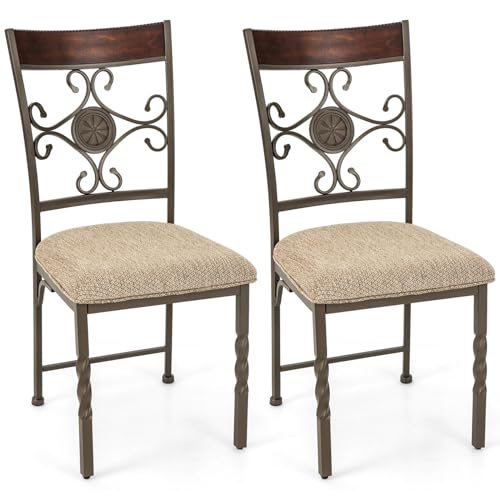
Vintage Wrought Iron Chairs: A Complete Buying Guide
Everything you need to know about selecting, restoring, and living with vintage wrought iron chairs — from era styles and metal quality to durability and outdoor placement.
Why vintage wrought iron chairs still matter: A well-made wrought iron chair can outlast almost any modern alternative. Beyond durability, these pieces carry a sculptural character that mass-produced patio furniture rarely matches. This guide walks you through the practical decisions — style period, construction quality, finish condition, and where the piece will live — so you can buy with confidence.
What Makes a Chair "Vintage Wrought Iron"?
The term wrought iron technically refers to a low-carbon iron alloy that is soft enough to be forged, bent, and hand-shaped by a blacksmith. True wrought iron furniture was common in the late 19th and early 20th centuries, when garden seating was produced by skilled metalworkers who twisted, scrolled, and welded each frame by hand. Today, many chairs marketed as "wrought iron" are actually cast iron, tubular steel, or aluminum cast into iron-style molds — each with different weight, strength, and care requirements.
When shopping for wrought iron chairs in a vintage style, look at three things: the joint construction (welded versus bolted versus cast-in-one-piece), the surface texture (pitting and patina can signal age or neglect), and the weight relative to size (heavy frames usually indicate denser metal). A genuine vintage piece will typically show subtle irregularities — slightly uneven scrollwork, hand-finished edges, and a finish that has aged rather than peeled.
Popular Vintage Eras and Design Styles
Vintage wrought iron chairs fall into several recognizable design families. Knowing which era appeals to you makes the search far more focused.
Victorian and Edwardian Garden Chairs
These are the most ornate styles — densely scrolled backs, floral motifs, and often a curved or fan-shaped silhouette. They were designed as statement pieces for formal gardens and conservatories. Expect intricate detail and heavier frames; many were originally painted in dark greens, blacks, or whites. Examples of this era often pair naturally with a wrought iron bistro set or standalone garden bench arrangements.
Art Nouveau and Early Modern
Moving into the early 20th century, wrought iron design became more flowing and organic, with vine-like curves and simplified scrollwork. These chairs feel lighter visually while remaining structurally solid. They suit a range of outdoor settings, from cottage gardens to more tailored patios.
Mid-Century Wrought Iron Patio Sets
Mid-century outdoor furniture often combined wrought iron frames with mesh, slatted metal, or later vinyl cord. These chairs are generally simpler in line and pair well with wrought iron patio furniture collections. If you are building a matched set, exploring a full wrought iron outdoor dining set for 4 can help you coordinate scale and finish.
Quality Tiers: What to Expect at Each Level
Vintage and vintage-style wrought iron chairs span a wide range of construction quality. Rather than focusing on numbers, use these universal tiers to set expectations.
Reproduction & Lightweight Frames
Often tubular steel or thin cast metal with decorative scrolls. Suitable for light use and sheltered spots. Inspect welds carefully; these frames are more prone to flexing and finish wear.
Solid Cast or Heavier Steel
Better weight distribution and more substantial joints. These chairs handle regular outdoor exposure well and often accept refinishing easily. A strong choice for everyday patio seating.
True Wrought Iron or Heavy Cast
Dense, hand-finished frames with robust welds and detailed scrollwork. These pieces are long-term investments, often restorable indefinitely with proper care.
Period Originals & Museum-Grade Pieces
Genuine antique chairs with documented age, original patina, and exceptional craftsmanship. These are collector pieces first and functional seating second.
Vintage Wrought Iron vs. Modern Alternatives
It helps to compare vintage wrought iron chairs against the materials you will encounter in modern patio furniture.
| Feature | Vintage Wrought Iron | Cast Aluminum | Resin / Plastic |
|---|---|---|---|
| Weight & stability | Heavy; stays put in wind | Light to moderate | Lightweight |
| Weather resistance | Good with proper finish; can rust if neglected | Excellent; rust-proof by nature | Excellent; UV degradation over time |
| Repairability | High — welds can be reworked | Moderate | Low |
| Aesthetic character | High; hand-forged detail | Moderate; molded detail | Low to moderate |
| Maintenance level | Moderate; seasonal inspection | Low | Low |
If low maintenance is your priority, cast aluminum alternatives are worth considering alongside vintage iron. If character and permanence matter more, wrought iron remains the stronger choice. Many buyers pair iron seating with complementary accents — for example, a wrought iron end table with glass top or a wrought iron coffee table with wood top to build a cohesive vintage look.
How to Inspect a Vintage Wrought Iron Chair
Whether you are buying from an antique dealer or a private seller, a hands-on inspection is essential. Use this checklist:
- Check the joints: Look for cracks, separation, or makeshift repairs at weld points. Re-welding is possible but should factor into your decision.
- Test the frame rigidity: Place the chair on a flat surface and apply gentle pressure to the back and arms. Excessive flexing suggests thin metal or weakened joints.
- Examine the finish: Flaking paint is common and usually manageable. Deep pitting or active rust under the paint is a bigger concern, especially on load-bearing areas.
- Inspect the feet: Chair feet take the most wear. Look for worn-through caps, uneven bases, or missing glides that indicate heavy use.
- Confirm the seat structure: If the chair has a woven or slatted seat, check for sagging or missing sections. Replacement seats are available but affect total ownership effort.
- Look for maker's marks: Stamps or foundry marks can confirm age and origin, which matters for antique value.
Restoration tip: A light wire-brush pass followed by a rust-inhibiting primer and an exterior-grade enamel can bring most vintage iron chairs back to usable condition. For heavily rusted pieces, consider a professional sandblast and powder coat — it produces a durable, uniform finish that suits outdoor exposure.
Placement and Pairing Ideas
Vintage wrought iron chairs work best when their visual weight is balanced by the surrounding space. On a compact balcony, a single chair paired with a wrought iron end table with slate top creates a functional reading nook. On a larger patio, a grouping of two chairs with a wrought iron coffee table with glass top anchors a conversation area. For dining setups, matching chairs to a wrought iron dining table with glass top preserves the period feel while keeping the surface practical.
If you are furnishing a larger outdoor dining space, a complete wrought iron outdoor dining set for 6 offers a coordinated solution, while smaller patios may prefer a wrought iron patio dining set for 4. Mixing vintage chairs with a wrought iron console table with marble top can also work well along a wall or entryway, especially when the chair's scrollwork echoes the table's lines.
Finish and Color Direction
Traditional finishes — matte black, deep forest green, and aged white — remain the most versatile for vintage iron. A black finish pairs naturally with stainless steel and teak outdoor furniture if you are blending eras, while white iron chairs feel airy alongside teak furniture. If you want a softer palette, consider a white outdoor chairs set that can be mixed with darker iron accents for contrast.
Care and Long-Term Maintenance
Vintage wrought iron rewards consistent, simple care. A few habits extend the life of the frame and finish considerably:
- Rinse and dry regularly: Remove dust and debris, especially after rain, to prevent moisture from sitting in joints.
- Touch up chips promptly: A small chip in the finish becomes a rust point quickly. Keep matching exterior paint on hand for spot repairs.
- Apply a protective wax or oil: A thin coat of exterior metal wax or linseed-based product on bare-metal areas slows oxidation.
- Store or cover during harsh winters: If the chair has a delicate finish or significant antique value, move it to a covered area for the coldest months.
- Inspect annually: Check welds, feet, and seat attachments once a year and address small issues before they become structural.
For chairs that will live in exposed conditions, consider pairing them with a wrought iron patio furniture care routine that includes seasonal inspections. If you are assembling a matching vintage-style set, wrought iron outdoor table and chair sets often share the same finish systems, which simplifies maintenance.
Common Mistakes to Avoid
Buyers new to vintage iron furniture tend to make a few predictable missteps. Avoid these:
- Overlooking rust hidden under paint. Always probe suspect areas gently before buying.
- Assuming all "wrought iron" is genuine. Many modern reproductions use cast aluminum or tubular steel. Ask about the material and check weight.
- Ignoring scale. Ornate Victorian chairs can overwhelm small balconies. Measure your space before committing.
- Underestimating maintenance. Vintage iron needs periodic attention — it is not a set-and-forget material.
- Skipping the seat check. A beautiful frame with a failing seat can be a costly fix if replacement parts are hard to source.
Frequently Asked Questions
With a sound finish and routine care, most vintage wrought iron chairs handle year-round outdoor exposure well. In areas with heavy snow or salt air, additional protection — such as covering or storing during the harshest months — is recommended to preserve the finish and prevent corrosion.
Genuine wrought iron tends to be heavier and shows hand-forged irregularities in the scrollwork and joints. Cast iron often has visible mold seams and is more brittle. Cast aluminum is noticeably lighter than either. A magnet can help distinguish ferrous metals (iron, steel) from aluminum, but the most reliable signal is weight combined with joint construction.
Usually yes, if the frame is structurally sound. Surface rust is straightforward to treat with wire brushing, primer, and exterior enamel. Structural rust that has thinned the metal at joints or feet is a bigger concern and may require professional welding. For antique or high-end pieces, a professional restoration is often a worthwhile long-term investment.
Absolutely. The contrast between ornate iron and clean-lined modern pieces is one of the most forgiving combinations in outdoor design. Pair a single vintage chair with a contemporary table, or use two iron chairs as accent seating around a modern dining set. Keeping finishes consistent — for example, all matte black — helps the mix feel intentional.
Traditional options include slatted metal, mesh, and woven seats. If the original seat is missing or damaged, replacement cushions sized for the frame are widely available and add comfort without altering the chair's character. Look for waterproof outdoor seat cushions designed for outdoor use, and consider a storage bin for outdoor furniture cushions to protect them between uses.
For a small patio or balcony, one or two chairs paired with a compact side table is usually the right balance. A pair of chairs with a wrought iron end table with glass top creates a complete seating area without overwhelming the space. If you need dining capacity, a two-person bistro arrangement works better than a full dining set.