Wrought Iron Glass Top Dining Table and Chairs: The Complete Buyer's Guide
Everything you need to know about choosing, living with, and maintaining a wrought iron glass top dining set — from frame construction and glass safety to sizing, styling, and seasonal care.
A wrought iron glass top dining table and chairs set is one of the most elegant ways to bring indoor dining comfort to your patio, porch, or sunroom. The combination of a slender metal frame and a reflective glass surface gives the set an airy, sophisticated look that wood and wicker cannot quite replicate. Yet the same qualities that make this pairing attractive — thin profiles, hard surfaces, and exposed metal — also raise practical questions about durability, safety, and care.
This guide walks you through every decision point, from understanding how tempered glass differs from standard glass to measuring your patio for a comfortable layout. If you are still comparing broader outdoor furniture categories, our overview of wrought iron patio furniture is a useful starting point before narrowing down to glass-top configurations.
Why Choose a Wrought Iron Glass Top Dining Set?
Wrought iron and glass form a complementary pair. Wrought iron is dense and strong, allowing manufacturers to use thinner frames than cast aluminum or solid wood would permit. Glass adds visual lightness because it reflects its surroundings rather than blocking them, so a glass-top set visually recedes in a small space instead of dominating it.
Beyond aesthetics, this combination offers several practical advantages:
- Visual space savings. The transparency of glass lets you see the patio surface beneath the table, which makes compact areas feel larger — a key benefit for balconies and small outdoor patio sets with fire pit layouts.
- Easy surface cleaning. Glass wipes clean quickly; spills and crumbs do not settle into grain or weave.
- Weather resistance of the frame. Properly finished wrought iron resists wind and does not warp the way some wood frames can.
- Classic design longevity. Scrollwork and clean-lined iron frames have remained in style for generations, so the set is unlikely to feel dated in a few seasons.
- Heat neutrality of glass. Glass does not absorb and retain heat the way dark metal tabletops can, so it stays comfortable to the touch in direct sun.
Quick note: If you want the same aesthetic in a smaller footprint, a wrought iron bistro set delivers the iron-and-glass look on balconies and breakfast nooks.
The Anatomy of a Quality Wrought Iron Glass Top Set
A dining set is more than a table and four chairs. Understanding the individual components helps you evaluate what separates a well-built set from a decorative one that struggles after a single season outdoors.
| Component | What to Look For | Why It Matters |
|---|---|---|
| Table frame | Welded joints, thick tube gauge, cross-bracing under the top | Prevents wobble and sagging under the weight of glass and dishes |
| Glass top | Tempered glass, beveled or polished edges, rubber or silicone bumpers | Improves safety, reduces chipping, and protects the glass from metal contact |
| Chair frames | Reinforced seat apron, welded leg joints, non-marking feet | Handles daily use and protects patio surfaces from scratches |
| Finish | Powder coating or multi-layer paint with rust-inhibiting primer | Determines how long the set resists moisture and UV exposure |
| Hardware | Stainless or coated bolts, protective glides | Prevents rust streaks and loosening over time |
When shopping, inspect the underside of the table if possible. A reinforcing ring or cross-stretcher between the legs is a reliable sign of structural care. Sets without under-bracing tend to develop a rocking motion as the joints loosen.
Understanding the Glass Top: Types, Thickness, and Safety
Not all glass tabletops are created equal, and this is the single most important specification to verify before buying.
Tempered Glass vs. Standard Glass
Tempered glass is heat-treated to increase its strength — typically several times stronger than annealed glass of the same thickness. More importantly, when tempered glass breaks, it fractures into small, granular pieces rather than sharp shards. For any outdoor table, tempered glass should be considered non-negotiable.
Thickness and Edge Treatment
Outdoor dining tables commonly use glass in the range of 6mm to 10mm thick. Thicker glass reduces flex and feels more substantial. Edges should be beveled, polished, or otherwise finished — raw cut edges are more vulnerable to chipping, and a chip can compromise the entire pane.
Tinted, Clear, or Textured
- Clear glass maximizes visual space and suits minimalist or coastal settings.
- Tinted glass (bronze, gray, or smoked) reduces glare and hides water spots between cleanings.
- Textured or frosted glass adds privacy and hides smudges, though it requires more careful cleaning of the texture itself.
One practical detail: glass tops should rest on rubber bumpers or silicone pads, not directly on metal. These spacers absorb vibration, allow airflow to prevent trapped moisture, and reduce the risk of edge stress. If a set arrives without them, replacement pads are inexpensive and easy to fit.
Buyer's tip: Ask the seller directly whether the glass is tempered and what thickness is used. A reputable listing or retailer will state this clearly.
Wrought Iron Frame Construction and Finish Quality
"Wrought iron" is often used loosely in marketing. True wrought iron is a low-carbon iron alloy with a fibrous structure, but in modern patio furniture the term usually describes iron or steel frames shaped by bending and welding. What matters for longevity is the base metal gauge, the quality of the welds, and above all the finish system.
Base Metal and Welding
Heavier tube gauges resist denting and flexing. Look for continuous welds at leg-to-apron and stretcher junctions rather than spot welds. Decorative scrollwork should be integrated into the structure, not merely tacked on as ornamentation.
Finish Systems
- Powder coating is the gold standard for outdoor metal furniture. The coating is electrostatically applied and baked on, producing a durable, uniform shell that resists chipping and moisture far better than conventional paint.
- Multi-layer paint with rust-inhibiting primer performs well when applied carefully, but touch-ups become more important over time.
- Galvanized then coated construction offers extra protection in humid or coastal climates.
Finish quality directly determines maintenance burden. A well-coated frame may need only an annual wipe-down and occasional touch-up, while a thinly finished frame will show rust blooms within a season or two. Sets designed for coastal exposure deserve particular scrutiny — our guide to wrought iron patio furniture care covers the additional steps that salt air requires.
Sizing Your Wrought Iron Glass Top Dining Set
Comfortable dining requires more space than most people expect. As a general rule, allow 24 to 30 inches of clearance between the table edge and any wall, railing, or planter so chairs can slide back without obstruction. Allow roughly 24 inches of table edge per diner.
| Set Configuration | Typical Table Shape | Best For |
|---|---|---|
| Two-seat set | Round, 30–36 inches | Balconies, breakfast corners, two-person households |
| Four-seat set | Round or square, 36–48 inches | Standard patios, small families, everyday dining |
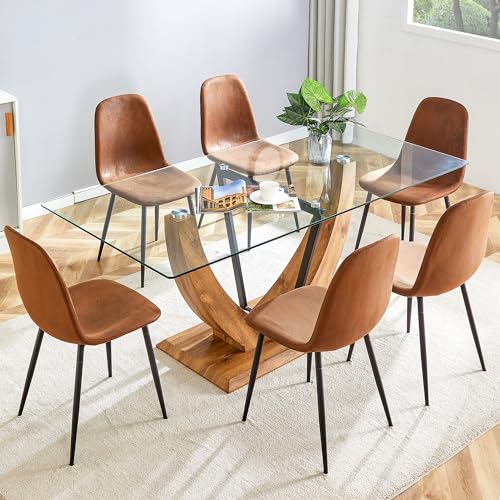
| Six-seat set | Rectangular, 60–72 inches | Larger decks, regular entertaining |
| Eight-seat set | Rectangular, 84 inches or longer | Generous outdoor rooms, extended family gatherings |
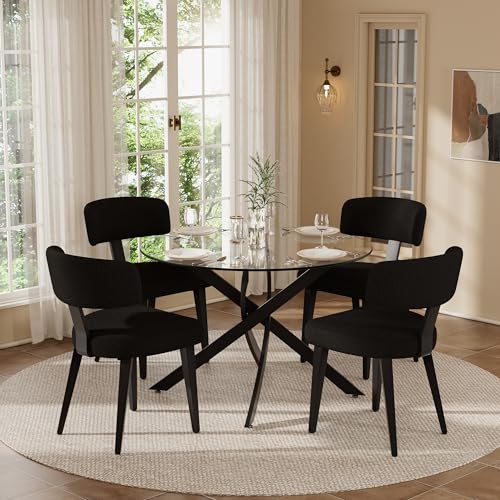
Shape matters as much as size. Round glass-top tables soften traffic flow in tight spaces and eliminate corner collisions, while rectangular tables align neatly against walls and railings. If shade is part of your plan, check whether the table accommodates an umbrella; many glass-top tables include a center hole with a grommet, though not all do. Comparing a wrought iron dining table with glass top that includes an umbrella hole against one without is an easy oversight to avoid.
Quality Tiers: What Separates Entry-Level from Top-Tier Sets
Rather than comparing sets by any single number, it helps to understand how the market is structured. Wrought iron glass top dining sets generally fall into three broad tiers, each with a distinct set of trade-offs.
| Tier | Typical Characteristics | Best For |
|---|---|---|
| Essential tier | Lighter tube gauge, simpler welds, basic powder coat, thinner tempered glass | Seasonal use, covered porches, first outdoor dining set |
| Balanced tier | Reinforced under-bracing, thicker glass, upgraded coating, better cushion options | Year-round outdoor use in moderate climates, families |
| Top-tier / premium | Heavy-gauge hand-welded frames, multi-stage finish, thick beveled glass, commercial-grade hardware | Coastal or high-humidity exposure, heavy daily use, design-focused patios |
An essential-tier set is not automatically a poor choice. If your patio is covered and the set will be used seasonally, a lighter build can serve perfectly well. The key is matching the tier to the exposure and frequency of use. A balanced-tier set often represents the sweet spot for households that leave furniture outdoors through multiple seasons — it typically offers noticeably smoother welds and more generous glass than entry-level options without stepping into commercial-grade construction.
Styles, Finishes, and Coordinating Chairs
Wrought iron glass top sets span a wide design range, so it helps to identify the visual language you want before comparing individual products.
Frame Styles
- Traditional scrollwork — ornate curves and flourishes that suit cottage, Victorian, and classic garden settings.
- Clean-line modern — squared frames and minimal ornamentation for contemporary patios and rooftop terraces.
- Transitional — restrained decorative details that bridge traditional and modern décor.
Finish Colors
Black remains the default because it recedes visually and pairs with nearly any cushion color. Bronze and dark brown finishes warm the look and hide dust. White wrought iron reads bright and airy, particularly against greenery. If you are coordinating with existing pieces, our guide to wrought iron outdoor dining sets for four breaks down finish pairings for smaller patios.
Chair Options
Most sets pair the table with matching wrought iron chairs, often with removable seat cushions. Key considerations include:
- Cushion attachment. Ties or hook-and-loop straps keep cushions from blowing away in wind.
- Stackability. Some chair designs stack for seasonal storage, which is valuable if you pack furniture away for winter.
- Armrest clearance. Verify that armrests fit under the table apron if the chairs will be tucked in.
- Replacement cushions. Standard-size seats make it easy to refresh the look later with outdoor furniture replacement cushions from the wider market.
Advantages of iron + glass
- Visually light in small spaces
- Easy-to-clean tabletop
- Classic, long-lasting design
- Frame resists wind and warping
- Glass stays cool in direct sun
Trade-offs to know
- Glass can chip at edges if struck
- Metal frames require finish upkeep
- Hard surfaces can feel less cushioned
- Water spots show on clear glass
- Heavier than aluminum equivalents
Care and Maintenance for Long-Term Performance
A wrought iron glass top set is low-maintenance compared with wood, but it is not maintenance-free. A simple seasonal routine keeps both the frame and the glass in good condition.
Routine Cleaning
- Wipe the glass with a mild dish soap solution and a soft cloth. Avoid abrasive pads, which can dull the surface or scratch tinted coatings.
- Dry the frame after rain or cleaning to prevent standing moisture in joints and crevices.
- Clean cushions according to their care labels; most outdoor fabrics tolerate gentle soap and a soft brush.
Seasonal Protection
- Touch up any paint chips promptly with matching touch-up paint to stop rust from spreading.
- Apply a rust-inhibiting wax or spray to bare-metal or high-wear areas once a year.
- Use a fitted cover during extended off-season storage, and bring the glass top indoors in freeze-prone climates to avoid stress cracks.
- Store cushions separately in a dry location rather than leaving them compressed under a cover.
If your set sits near a pool or hot tub, rinse the frame more frequently to remove chlorine and salt residue. Our broader wrought iron patio furniture guide covers additional climate-specific care routines, including coastal and humid-region strategies.
Safety Considerations for Glass-Top Dining Sets
Glass and metal are both hard materials, and a few sensible precautions prevent most problems.
- Never place hot cookware directly on glass. Even tempered glass can be stressed by sudden temperature changes; use trivets or placemats.
- Avoid dragging the table across rough surfaces. Lift rather than slide to prevent leg damage and joint stress.
- Check bumpers and fasteners seasonally. Loose glass spacers or hardware increase stress on the pane.
- Supervise children around glass edges. Polished edges help, but rough play near table height is the most common cause of accidental chips.
- Store glass upright and supported if removed. Laying a large pane flat on an uneven surface invites flex damage.
For households with very young children or heavy entertaining schedules, it is worth comparing glass-top options against solid-top alternatives in the same style family, such as a wrought iron dining table with glass top versus open-frame designs. Both have merits; the right answer depends on how the set will be used day to day.
Frequently Asked Questions
Yes, when the glass is tempered. Tempered glass is heat-treated for strength and shatters into small, blunt pieces if broken. Look for tables that specify tempered glass and avoid standard annealed glass for outdoor settings.
Choose powder-coated or galvanized wrought iron, touch up chips promptly with matching paint, and use a furniture cover during off-season storage. Wipe down wet surfaces after rain and apply a rust-inhibiting wax or spray annually.
With proper maintenance, many wrought iron sets can remain outdoors year-round, especially if they feature powder-coated finishes. In freeze-prone climates, bring the glass top indoors during winter to prevent stress cracks and store cushions separately.
A four-seat set with a 36- to 48-inch round or square table usually fits a small patio. Measure your space first, keeping at least 24 to 30 inches between the table edge and any wall so chairs can slide out comfortably.
A mild dish soap solution with water is sufficient for routine cleaning. Avoid ammonia-heavy or abrasive cleaners on tinted or coated glass, and dry with a soft cloth to prevent streaks and water spots.