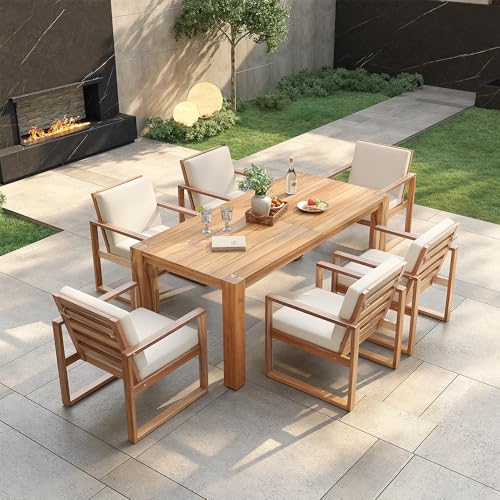
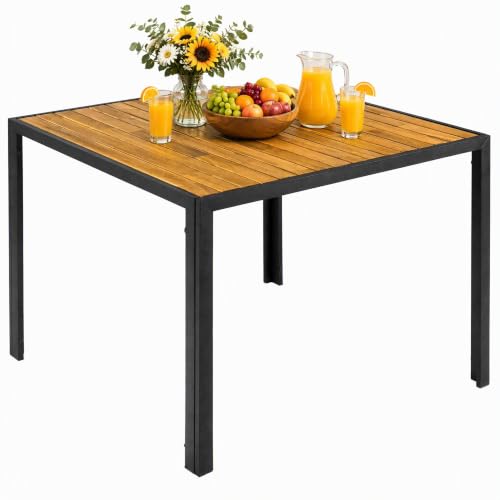
Acacia Wood Outdoor Dining Table with Umbrella Hole: The Complete Guide
Everything you need to know before buying an acacia wood dining table with a built-in umbrella hole — durability, sizing, care, and how to pair it with the right shade solution.
Start ReadingWhy acacia? Acacia wood has become one of the most trusted materials for outdoor dining furniture because of its natural density, warm grain, and moisture resistance. When paired with a built-in umbrella hole, it becomes the centerpiece of a shaded, functional outdoor dining area. This guide walks you through every decision point so you can buy with confidence.
Why Choose Acacia Wood for Outdoor Dining?
Acacia is a hardwood native to warm climates, and its natural properties make it especially well-suited to patio furniture. Unlike softer woods that absorb moisture and warp quickly, acacia holds its shape and resists surface damage when properly finished. For a dining table that stays outdoors through changing seasons, that resilience matters.
Beyond durability, acacia offers visual warmth that complements both modern and rustic patio styles. Its grain pattern varies from straight to subtly figured, giving each table a distinct character. Combined with an umbrella hole, the table becomes a hub for shaded meals, afternoon reading, and evening gatherings.
Natural Moisture Resistance
Acacia's dense grain slows water absorption, helping the table resist swelling and surface cracking in humid or rainy conditions.
Solid, Heavy Build
The weight of acacia wood keeps the table stable in wind and reduces wobble during meals, especially on uneven patio surfaces.
Warm, Versatile Grain
Golden-brown tones and visible grain pair naturally with wicker, metal, and fabric seating for a cohesive outdoor look.
Umbrella-Ready Design
A pre-drilled umbrella hole lets you add shade without a separate base, keeping the dining footprint clean and walkable.
Understanding the Umbrella Hole
The umbrella hole is a small but critical feature. It determines which umbrellas you can use, how stable the shade setup will be, and whether the table needs a separate umbrella base. Most acacia dining tables come with a hole in the center of the tabletop, sized to fit standard patio umbrella poles.
Before buying, confirm the hole diameter and whether the table includes a reducer ring. A reducer ring lets a wider hole accept narrower poles, giving you more umbrella options. If your table does not include one, you can usually add an aftermarket ring to improve fit and reduce wobble.
Umbrella Hole Checklist
- Confirm the hole diameter (most tables fall between 1.5 and 2 inches).
- Check whether a reducer ring is included for narrower poles.
- Verify that the table has a stable base or weighted umbrella stand option.
- Measure your umbrella pole diameter before pairing it with the table.
- Consider a tilt or crank umbrella for adjustable shade throughout the day.
- Ensure the hole is sealed or finished to prevent water intrusion into the wood.
Choosing the Right Size and Shape
Table size should be driven by your patio footprint and the number of people you regularly seat. A round or square table works well in compact spaces, while rectangular tables suit longer patios and larger gatherings. Leave at least 36 inches of clearance around the table for chairs to pull out comfortably.
If you plan to use an umbrella, the table's center hole should align with where you want shade. For rectangular tables, a centered umbrella provides even coverage across the seating area. For larger tables, consider whether a single umbrella is enough or whether you need a cantilever style positioned beside the table.
| Table Shape | Best For | Umbrella Consideration | Seating Tier |
|---|---|---|---|
| Round | Small patios, intimate meals, easy conversation flow | Center hole works well; compact umbrella footprint | Essential tier to mid-tier |
| Square | Balanced layouts, four-person dining, corner-friendly | Center hole supports standard pole umbrellas | Mid-tier to premium |
| Rectangular | Long patios, six to eight diners, buffet-style serving | Single center umbrella may need a wider canopy | Mid-range to high-end tier |
| Extendable | Flexible entertaining, occasional larger gatherings | Hole position must remain centered when extended | Premium to luxury |
Quality Indicators to Look For
Not all acacia tables are built to the same standard. The difference between an entry-level model and a premium one usually comes down to joinery, finish quality, and how well the wood has been dried and sealed before assembly.
Joinery and Frame
Look for reinforced joinery such as mortise-and-tenon or bolted corner brackets. A solid frame with cross-bracing underneath the tabletop resists sagging over time. Heavy-duty hardware should be rust-resistant, especially if the table stays outdoors year-round.
Finish and Sealing
A factory-applied UV-resistant sealant protects the wood from sun fading and moisture. Premium models often use multiple coats of oil-based or water-based sealant. If the finish feels thin or uneven, plan to re-seal the table soon after purchase.
Umbrella Hole Finish
The inside of the umbrella hole should be sealed or fitted with a liner. An unfinished hole can absorb water and swell, which may crack the tabletop over time. Check that the hole edges are smooth and properly treated.
Buying Checklist for Acacia Dining Tables
- Solid acacia wood construction with visible, consistent grain.
- Reinforced corner brackets or mortise-and-tenon joinery.
- Rust-resistant hardware for outdoor use.
- Factory-sealed surface with UV protection.
- Sealed or lined umbrella hole.
- Reducer ring included for umbrella pole compatibility.
- Adjustable feet or leveling glides for uneven patios.
- Clear care instructions from the manufacturer.
Caring for Your Acacia Table
Acacia is durable, but it is not maintenance-free. Regular care extends the life of the table and keeps the finish looking fresh. A simple seasonal routine is usually enough.
- Clean spills promptly with a damp cloth and mild soap.
- Reapply a UV-resistant wood sealant every season or when water stops beading on the surface.
- Cover the table during extended wet or freezing weather.
- Store the table indoors or under a sturdy cover during winter in harsh climates.
- Avoid harsh chemical cleaners that strip natural oils from the wood.
- Check hardware periodically and tighten any loose bolts.
- Keep the umbrella hole clear of debris and dry it after rain.
If you want to explore related care topics, our weatherproofing guide covers broader maintenance strategies for outdoor furniture. You can also read more about acacia wood outdoor furniture to understand how the material performs across different piece types.
Pairing Your Table with the Right Umbrella
The umbrella you choose should match the table's hole size, the patio's sun exposure, and the style of your outdoor space. A standard market umbrella with a crank and tilt mechanism is a versatile choice for most dining tables. If your patio is windy, choose an umbrella with a heavier canopy fabric and a sturdy base.
For larger tables or patios with intense afternoon sun, a cantilever umbrella positioned beside the table can provide broader coverage without occupying the center hole. If you prefer the center-hole setup, make sure the umbrella base is weighted appropriately for your wind conditions.
If you are comparing table options, our guide to the acacia wood outdoor dining table with umbrella hole covers the core considerations. You can also explore extendable acacia dining tables if you need flexibility for larger gatherings, or browse nine-piece dining sets with an umbrella hole for a complete coordinated setup.
Ready to Compare Acacia Dining Tables?
Browse recommended acacia wood dining tables with umbrella holes and find the right fit for your patio.
View Recommended ProductsFrequently Asked Questions
Is acacia wood suitable for outdoor dining tables?
Yes. Acacia is a dense hardwood with natural moisture resistance, which makes it a solid choice for outdoor dining tables. With proper sealing and seasonal care, an acacia table can handle sun, rain, and temperature swings well. It is more durable than softer woods and holds its shape better in humid conditions.
What size umbrella hole does an acacia dining table have?
Most acacia outdoor dining tables feature a standard 1.5-inch to 2-inch umbrella hole, which fits the majority of patio umbrella poles. Always confirm the hole diameter and whether a reducer ring is included before pairing a table with an umbrella. A reducer ring allows a wider hole to securely hold a narrower pole.
How do I maintain an acacia wood outdoor dining table?
Clean the surface with mild soap and water, reapply a UV-resistant wood sealant every season, and cover the table during extended wet or freezing weather. Avoid harsh chemical cleaners that can strip the natural oils from the wood. Check hardware periodically and keep the umbrella hole dry and debris-free.
Can I leave an acacia dining table outside all year?
Acacia can stay outdoors year-round in mild climates, but in regions with heavy rain, snow, or extreme temperature swings, a protective cover and winter storage are recommended to prevent cracking and surface damage. Even in mild climates, covering the table during prolonged wet periods helps preserve the finish.
Should I choose a round or rectangular acacia dining table?
Round tables work well in compact patios and encourage conversation, while rectangular tables suit longer spaces and larger groups. Consider your patio dimensions, the number of regular diners, and how much clearance you need around the table. Leave at least 36 inches of space for chairs to pull out comfortably.