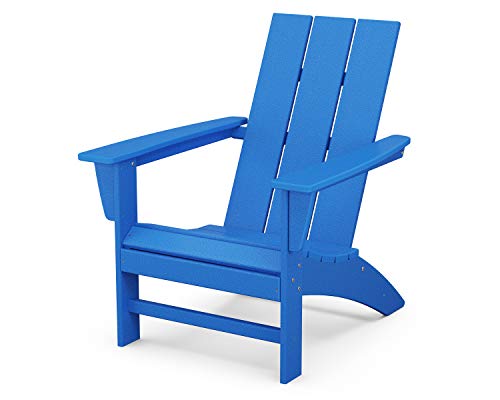
Adirondack Chairs Made From Recycled Materials
Your complete guide to eco-friendly Adirondack seating. Learn how recycled plastic and milk jug construction delivers all-weather durability, classic comfort, and a lighter footprint for your outdoor space.
Explore Recycled OptionsWhy recycled materials matter: If you are researching Adirondack chairs made from recycled materials, you already know the classic silhouette you want. What you likely need now is clarity on materials, longevity, comfort, and maintenance before you commit. This guide answers those questions so you can choose with confidence.
What Are Recycled-Material Adirondack Chairs?
Recycled-material Adirondack chairs are outdoor seats built from post-consumer and post-industrial plastic waste rather than virgin timber. The most common feedstock is high-density polyethylene (HDPE), the same plastic used in milk jugs, shampoo bottles, and bottle caps. Manufacturers clean, shred, and melt this plastic into lumber-like boards, then cut and assemble them into the familiar Adirondack form.
Some brands blend recycled HDPE with wood flour to create a composite board that imitates natural grain while retaining the weather resistance of plastic. Others use 100% recycled plastic for a smoother, more uniform finish. Either way, the result is a chair that looks like painted wood but behaves like a modern polymer. If you want to dig deeper into the milk-jug-specific approach, see our guide on Adirondack chairs made from recycled milk jugs, and for a broader material overview, read Adirondack chairs made from recycled plastic.
Why Choose Recycled Materials Over Traditional Wood?
Traditional wood Adirondack chairs are beautiful, but they demand ongoing care: sanding, staining, sealing, and storing during harsh seasons. Recycled plastic chairs eliminate most of that work. Here is what makes them a compelling choice for homeowners in the research stage.
- Weather resistance: HDPE does not absorb water, so it will not rot, warp, or swell. UV stabilizers keep colors from fading under sustained sun exposure.
- Low maintenance: No painting, staining, or sealing is required. Soap and water handle routine cleaning.
- Pest and insect resistance: Termites, carpenter bees, and other wood-boring insects have no interest in plastic lumber.
- Environmental benefit: Each chair diverts plastic waste from landfills and reduces demand for virgin timber.
- Consistent appearance: Color is molded through the material, so scratches and scuffs are less visible than on painted wood.
For a broader look at weather-resistant seating across styles, our all-weather Adirondack chairs set of 4 guide is a useful companion read. If cup holders matter to you, the Adirondack chairs with cup holders overview covers that upgrade path.
Tier Guide: Understanding Recycled Adirondack Quality Levels
Recycled chairs are not all built to the same standard. The descriptor below uses a consistent three-tier classification so you can compare products on construction and features rather than transient market factors.
Entry-Level Recycled Plastic
Basic HDPE construction with simpler hardware and fewer color options. Suitable for occasional use and covered porches. Expect a solid but lighter build compared with higher tiers.
Mid-Range Recycled Composite
Thicker boards, stainless or coated hardware, and UV-stabilized color throughout. A good match for year-round outdoor exposure and daily use. Smooth mechanisms and better ergonomics than entry-level models.
Premium Recycled Construction
Heavy-duty recycled material, reinforced joinery, and refined shaping. Built for commercial-grade durability and long-term outdoor placement. Features may include adjustable backrests or integrated cup holders.
Key Features to Compare Before You Buy
Once you understand the tiers, focus on the specific features that affect comfort and longevity. The table below summarizes what to look for across the recycled chair category.
| Feature | What to Look For | Why It Matters |
|---|---|---|
| Material composition | 100% recycled HDPE or recycled composite with wood flour | Determines weather resistance, texture, and color consistency |
| UV stabilization | Color-through pigmentation and UV inhibitors | Prevents fading and surface degradation in direct sun |
| Hardware | Stainless steel or coated fasteners | Resists rust and keeps joints tight over time |
| Weight and assembly | Solid build with clear instructions and manageable weight | Affects stability, portability, and ease of setup |
| Comfort ergonomics | Contoured seat, wide armrests, proper recline angle | Delivers the classic Adirondack lounging experience |
| Optional add-ons | Cup holders, adjustable backrest, retractable footrest | Enhances everyday usability and relaxation |
Comfort and Ergonomics: The Adirondack Difference
The Adirondack chair is defined by its wide armrests, deeply reclined seat, and tall fan-shaped back. Recycled-material versions preserve this geometry, but quality varies. Mid-range and top-tier models typically offer better lumbar support and smoother board edges than entry-level chairs. If you prefer a more upright position for reading or conversation, consider an Adirondack chair with adjustable backrest. For maximum lounging, a chair with retractable footrest pairs well with the recycled construction.
Accessibility is another consideration. If getting out of a deep Adirondack seat is a concern for you or a family member, our guide on Adirondack chairs easy to get out of explains seat height and armrest design differences.
Maintenance and Seasonal Care
One of the strongest arguments for recycled materials is the minimal upkeep. Routine care involves wiping down the chair with mild soap and water, rinsing, and letting it air dry. Avoid abrasive cleaners that could dull the surface. Because the material is non-porous, mold and mildew have a hard time taking hold, though debris trapped in joints should be cleared periodically.
In regions with heavy snow or coastal salt spray, a quick rinse at the start of the season keeps the surface clean. Unlike wood, recycled plastic does not need to be stored indoors during winter, though covering chairs during extended off-season periods helps keep them free of pollen and leaf stains. For more general weatherproofing advice, explore our weatherproofing guide.
Pairing Recycled Adirondacks With Your Patio
Recycled Adirondack chairs work across many outdoor settings. On a pool deck, they pair naturally with a 9-foot patio umbrella with solar lights for shade during the day and ambient light after dusk. On a dining patio, they complement a 9-piece outdoor dining set with umbrella, though Adirondacks are typically positioned as lounge seating rather than dining chairs.
For poolside lounging, some homeowners use recycled chairs in place of dedicated loungers; if that is your plan, compare the recline geometry with our notes on Adirondack chairs for pool tanning ledge. You can also browse the full Adirondack chairs category for style variations, or explore Adirondack chairs for sale to see current availability across retailers.
Frequently Asked Questions
What are Adirondack chairs made from recycled materials made of?
Most are made from high-density polyethylene (HDPE) sourced from post-consumer plastic waste such as milk jugs and bottle caps. Some models blend recycled plastic with wood flour for a composite that mimics timber grain.
Are recycled plastic Adirondack chairs durable in all weather?
Yes. HDPE is inherently waterproof, rot-resistant, and UV-stabilized. Quality models resist fading, cracking, and insect damage, making them suitable for year-round outdoor use with minimal maintenance.
Do recycled Adirondack chairs need painting or sealing?
No. Recycled plastic chairs are colorfast through the material, so they never need painting, staining, or sealing. A simple wash with soap and water is enough to keep them looking fresh.
How many milk jugs does it take to make a recycled Adirondack chair?
Depending on the chair's weight and size, a single recycled plastic Adirondack chair can divert anywhere from several dozen to over a hundred plastic milk jugs from landfills, though the exact count varies by manufacturer and material density.