Adirondack Chairs: The Complete Buying Guide
Everything you need to know before choosing the iconic outdoor chair — materials, comfort, style, and long-term care.
Explore the GuideWhy Adirondack chairs? Few pieces of outdoor furniture combine timeless design, deep relaxation, and everyday durability quite like the Adirondack chair. Originally designed for hillside relaxation, today's versions suit patios, decks, lawns, poolside lounges, and fire pit circles. This guide helps you understand the key decisions — so you can buy with confidence and enjoy your chairs for years.
What Defines an Adirondack Chair?
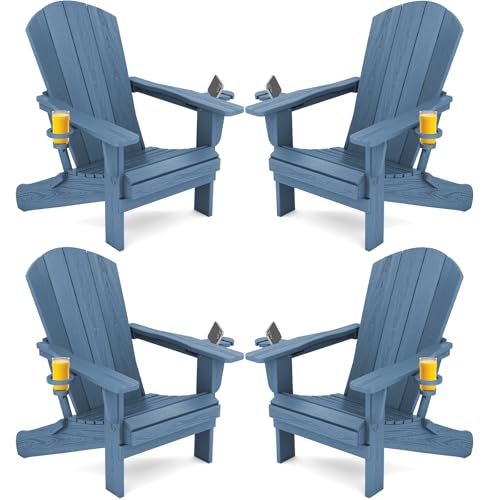
The Adirondack chair is recognizable by its wide armrests, fan-shaped backrest, deeply reclined seat, and sturdy legs. These design choices are not random: the recline supports relaxed posture, the wide arms hold drinks and books, and the fan back distributes weight comfortably. Modern versions preserve this silhouette while adding refinements like cup holders, adjustable backrests, and retractable footrests.
If you are exploring specific comfort upgrades, you may want to look at an Adirondack chair with adjustable backrest or a model with a retractable footrest for lounging. For entertaining, an Adirondack chair with cup and phone holder keeps essentials close at hand.
Material Guide: Which Adirondack Chair Suits You?
Material choice is the single most important decision when buying Adirondack chairs. It affects durability, maintenance, weight, and long-term appearance. Here is how the main categories compare.
Wood Adirondack Chairs
Classic wood chairs — often made from cedar, teak, or fir — offer a natural look and warm texture. Cedar and teak are naturally resistant to moisture and insects, making them a solid choice for outdoor use with periodic sealing. Wood chairs can be sanded and refinished over time, which extends their service life considerably. They are generally a mid-range to premium option depending on the species and joinery quality. If you like the natural aesthetic, explore acacia wood outdoor furniture for complementary pieces.
Recycled Plastic & Poly Lumber
Recycled plastic Adirondack chairs — often called poly lumber — are heavy-duty, weather-resistant, and require almost no maintenance beyond occasional cleaning. They do not rot, splinter, or need painting. Many are made from recycled milk jugs and other post-consumer plastics, making them an eco-conscious pick. If sustainability matters to you, see Adirondack chairs made from recycled materials and recycled plastic Adirondack chairs. These chairs sit in the mid-range to premium tier depending on construction and hardware quality.
Resin & Composite
Resin chairs are lightweight, easy to move, and resistant to moisture. They are often an entry-level or essential-tier choice for casual use. Composite blends can mimic wood grain while offering plastic-like resilience. These are a good fit for households that want low-maintenance seating without the weight of poly lumber.
Metal & Aluminum
Aluminum Adirondack chairs are lightweight, rust-resistant when powder-coated, and easy to reposition. They are a strong choice for balconies and small patios where weight matters. Metal frames pair well with mesh or sling seats for quick drying. For more aluminum options, browse aluminum outdoor chairs.
Comfort & Ergonomics: What to Look For
Adirondack chairs are designed for lounging, but comfort varies widely by model. Key factors include seat depth, backrest angle, armrest width, and seat height. If getting out of low chairs is a concern, consider models designed for easier egress — see Adirondack chairs easy to get out of.
For poolside use, a pool tanning ledge Adirondack chair offers a lower profile suited to shallow water ledges. For reading or napping, a chair with a retractable ottoman or footrest adds significant comfort. Cup holders are a small but genuinely useful upgrade, especially for entertaining. Compare Adirondack chairs with cup holders if you frequently host outdoor gatherings.
Style & Placement: Where Adirondack Chairs Shine
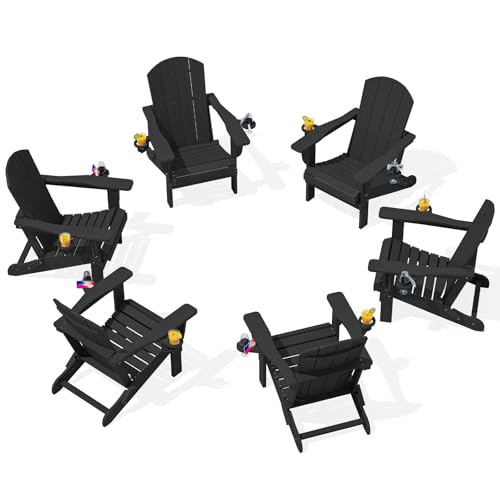
Adirondack chairs work in nearly any outdoor setting, but placement affects both comfort and visual balance. On a deck, pair two chairs with a small side table for a conversation nook. Around a fire pit, arrange four chairs in a loose circle for social evenings. On a lawn, a single chair angled toward a view creates a quiet retreat.
For cohesive outdoor design, coordinate chairs with other seating and shade elements. If you are planning a full dining area, browse 9-piece outdoor dining sets or a 9-piece patio dining set with umbrella. For shade over seating, consider a 9-foot patio umbrella with solar lights. For relaxed lounging, a hammock can complement Adirondack seating in a garden corner.
Buying Checklist: 7 Questions to Ask Before You Buy
- What material suits my climate? Humid or rainy areas favor poly lumber or treated wood; dry sunny regions suit resin or sealed wood.
- How much maintenance am I willing to do? Plastic and aluminum need the least; wood requires periodic sealing.
- Will I move the chairs often? Aluminum and resin are lighter; poly lumber and wood are heavier but stable.
- Do I need cup holders or add-ons? Small features make a big difference for everyday use.
- What seat height is comfortable for my household? Lower seats are great for lounging; slightly higher seats are easier to get out of.
- How many chairs do I need? Sets of four are common for fire pit circles; pairs suit balconies and small patios.
- What style fits my outdoor space? Classic fan-back, modern slat, or folding designs each have a distinct look.
Care & Longevity: Keeping Your Chairs Looking Great
All outdoor furniture benefits from basic care. Rinse plastic and aluminum chairs with mild soap and water; avoid abrasive cleaners that dull finishes. Wood chairs should be cleaned and sealed annually or as recommended by the manufacturer. Store cushions indoors when not in use, and use covers during extended off-seasons. For broader maintenance guidance, see our weatherproofing guide and outdoor care resources.
If you are outfitting a rental or a second home, durability matters even more. Poly lumber and powder-coated aluminum are excellent long-term investments. For households that prefer natural materials, sealed teak and cedar offer decades of service with routine care.
Sets & Pairings: Building a Cohesive Outdoor Space
Adirondack chairs pair naturally with small side tables, fire pits, and shade structures. A set of four chairs around a fire pit creates an instant gathering space. On a patio, two chairs with a bistro table make a compact coffee spot. If you need seating for larger groups, consider pairing Adirondack chairs with a 9-piece outdoor dining set with swivel chairs or a 9-piece patio set with swivel chairs for a coordinated look.
For balconies and small spaces, Adirondack chairs are surprisingly space-efficient when paired with a balcony table. If you are designing a full outdoor room, browse apartment outdoor ideas or balcony decor ideas for layout inspiration.
Frequently Asked Questions
Are Adirondack chairs comfortable for long periods?
Yes — the reclined seat and wide armrests are designed for lounging. Comfort depends on seat depth, back angle, and whether the model includes added support like an adjustable backrest or footrest. Trying a chair in person, or choosing a model with known ergonomic refinements, helps ensure long-term comfort.
Which material lasts longest?
Poly lumber (recycled plastic) and high-grade aluminum are among the most durable and lowest-maintenance options. Well-sealed teak and cedar also last for many years with routine care. Resin chairs are lighter and typically entry-level in durability but remain a practical choice for casual use.
Can Adirondack chairs stay outside year-round?
Most modern Adirondack chairs are designed for outdoor use in all seasons. Poly lumber and aluminum handle weather best. Wood chairs benefit from covers or storage during harsh winters. Always check the manufacturer's recommendations for your specific model.
How many chairs should I buy?
Two chairs suit balconies and small patios. Four chairs work well around a fire pit or on a medium deck. For larger gatherings, combine Adirondack seating with dining sets and benches. Sets of four are a popular starting point for families.
Do Adirondack chairs work on uneven ground?
Yes, within reason. Wide legs provide stability on grass and gravel. For very uneven surfaces, choose models with broader feet or place chairs on a leveled area. Lightweight aluminum chairs are easier to reposition as needed.