Aluminum Outdoor Chairs: The Complete Buying Guide
Lightweight, rust-resistant, and built for years of outdoor use. Learn how to evaluate frames, finishes, weight capacity, and seating comfort so you choose aluminum patio chairs with confidence.
Why aluminum dominates outdoor seating: Aluminum outdoor chairs have become the default choice for patios, balconies, and poolside areas because the metal resists rust, weighs far less than cast iron or steel, and accepts durable powder-coated finishes in nearly any color. This guide walks through the technical details that separate a solid long-term investment from a chair that wobbles within a season.
Why Aluminum Outdoor Chairs Make Sense
Aluminum is the third most abundant element in the earth's crust, and its natural oxide layer makes it inherently resistant to rust. Unlike iron or steel, an aluminum chair will not develop the flaking red corrosion that ruins metal furniture after a few wet seasons. That single property explains why aluminum is the backbone of modern aluminum outdoor furniture collections and the material most often recommended for humid or coastal climates.
Weight is the second major advantage. A typical tubular aluminum dining chair weighs a fraction of a comparable cast iron piece, which makes rearranging a dining set, storing chairs for winter, or carrying them to a shaded spot genuinely practical. That portability matters for anyone furnishing a balcony or an apartment terrace where space and lifting effort are daily concerns.
A third benefit is design flexibility. Aluminum can be cast into ornate frames or extruded into clean, modern profiles, then finished in matte, gloss, or textured powder coatings. Whether your patio leans rustic, coastal, or minimalist, there is an aluminum chair profile that fits the aesthetic without compromising weather performance.
Cast Aluminum vs Tubular Aluminum: Which Frame Suits You?
The two dominant construction methods produce chairs with very different personalities. Understanding the trade-off helps you match the chair to how it will actually be used.
| Feature | Cast Aluminum | Tubular Aluminum |
|---|---|---|
| Construction | Molten aluminum poured into molds | Hollow tubes bent and welded |
| Weight | Heavier, more grounded | Lightweight, easy to reposition |
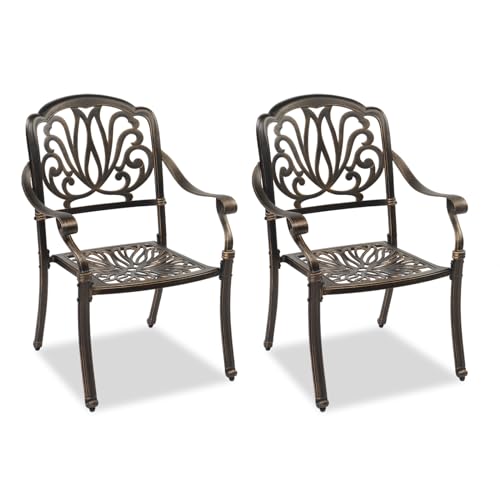
| Detailing | Ornate patterns, scrollwork, texture | Clean lines, minimal ornamentation |
| Stability in wind | Excellent due to mass | Good, but lighter frames need strategic placement |
| Best for | Permanent dining and conversation areas | Balconies, portable seating, sling chairs |
| Typical tier | Mid-range to luxury | Entry-level to mid-range |
If your chairs will stay in one place and you want a substantial, furniture-grade feel, cast aluminum is the stronger long-term investment. If you reconfigure your outdoor space frequently or need to move chairs alone, tubular aluminum is far more practical. Many buyers combine both: a cast aluminum aluminum outdoor dining set for the main table and lighter tubular chairs for flexible seating elsewhere.
Frame Grades and Market Tiers
Not all aluminum is equal. The alloy composition, wall thickness, and finish quality determine how a chair performs over years of sun, rain, and use. Rather than judging by appearance alone, use these tier descriptors to set expectations.
Entry-Level Tier
Thinner tube walls, simpler welds, and basic powder coating. Suitable for sheltered balconies and occasional use. Expect visible wear sooner if left in full weather year-round.
Mid-Range Tier
Reinforced joints, thicker extrusions, and a more consistent powder coat. The sweet spot for most homeowners who want dependable daily use without stepping into flagship territory.
Premium / Commercial-Grade
Heavy-wall castings, marine-grade alloy options, and multi-stage finishing. Built for restaurants, coastal homes, and buyers who treat patio furniture as a long-term investment.
Within any tier, check the stated weight capacity and the finish warranty. A mid-range chair with a well-documented coating warranty often outperforms a premium chair with vague specifications. For a broader comparison of frame materials, the metal vs aluminum guide covers steel, wrought iron, and mixed-material frames alongside aluminum.
Finishes That Protect and Define Style
The finish is what actually touches the weather, so it deserves as much attention as the frame. Three options dominate the market:
- Powder coating: The most common finish. Dry powder is electrostatically applied and cured under heat, creating a hard, chip-resistant shell. Quality powder coating is the single best predictor of long-term appearance.
- Anodizing: An electrochemical process that thickens the natural oxide layer. Anodized aluminum has a metallic sheen and excellent corrosion resistance, though color options are limited to silvers, bronzes, and blacks.
- Liquid paint: Less durable than powder coating but useful for touch-ups. Keep a matching repair pen on hand for scratches on any aluminum chair.
In coastal environments, salt spray accelerates corrosion at weld points and scratched edges. A premium powder coat over a marine-grade alloy is the most reliable combination. Pair it with a patio furniture cover during the off-season to further extend the finish's lifespan.
Seat Materials and Comfort Considerations
An aluminum frame is only half the chair. The seat and back determine how the chair feels after an hour of use and how much maintenance it demands.
- Sling fabric: Tensioned fabric suspended across the frame. Breathable, quick-drying, and low maintenance. Ideal for dining chairs and poolside seating.
- Mesh: Similar to sling but with a woven open structure. Extremely breathable and stays cooler in direct sun than solid surfaces.
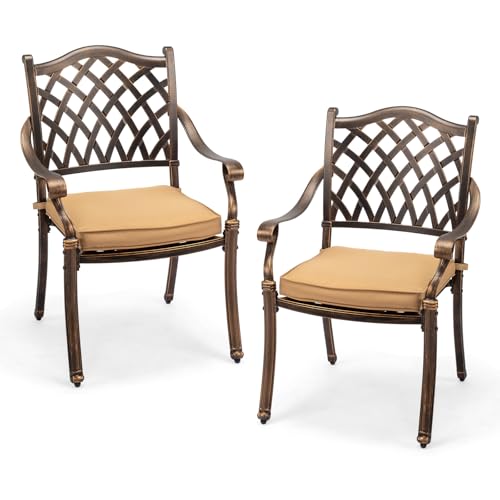
- Removable cushions: The most comfortable option for lounging, but cushions need storage during rain and winter. Look for quick-dry foam and solution-dyed acrylic covers.
- Solid cast seats: Found on ornate cast aluminum chairs, sometimes with decorative perforations. Durable but can heat up in strong sun.
Armrest height, seat depth, and back angle matter more than most buyers expect. A chair that looks proportional online can feel cramped if the seat depth is short or the armrests sit too low to help you stand. For buyers who prioritize easy entry and exit, the guidance in the easy-to-exit outdoor chairs article translates well to aluminum dining and lounge seating.
Matching Aluminum Chairs to Your Space
The right chair depends on where it will live. A few scenarios illustrate how the priorities shift:
Small balcony or apartment terrace: Prioritize tubular aluminum with stackable or folding designs. Light weight and compact storage matter more than ornate detailing. Browse apartment patio furniture options that pair compact frames with space-saving tables.
Family dining patio: Cast aluminum or reinforced tubular chairs around a stable table, with sling or quick-dry cushion seats. Coordinate with a nine-piece outdoor dining set if you regularly host larger groups.
Poolside lounging: Choose aluminum lounge and chaise frames with breathable mesh or sling seats that drain quickly. The wheeled aluminum chaise lounge format is especially practical for repositioning around a pool deck.
Coastal or humid climate: Marine-grade alloy plus premium powder coating, and plan for a freshwater rinse after salty air exposure. Pairing chairs with a matching aluminum outdoor table keeps the finish system consistent across the set.
Care and Maintenance That Actually Matters
Aluminum is low-maintenance, not no-maintenance. A simple routine keeps chairs looking new for a decade or more:
- Rinse frames with mild soap and water every few weeks during the season, then wipe dry to avoid water spots.
- Inspect welds, bolts, and plastic glides at the start of each season. Tighten fasteners and replace worn glides before they scratch the frame.
- Touch up chips in the powder coat promptly with a matching repair product. Exposed aluminum is corrosion-resistant, but the coating is what preserves the color and texture.
- Store removable cushions indoors during heavy rain and winter. Damp cushions trapped against the frame encourage mildew.
- Use a breathable cover rather than sealed plastic so trapped moisture can escape.
For a deeper seasonal routine, the weatherproofing guide covers covers, sealants, and storage practices for the full patio set. If rust or corrosion has already appeared on mixed-metal hardware, the rust removal tips explain how to treat it without damaging the aluminum surface.
A Practical Buying Checklist
Before committing to a set, run through these questions. They surface the details that reviews and product photos rarely show clearly.
- Is the frame cast, tubular, or a hybrid? Does that match how often you will move the chairs?
- What is the stated weight capacity, and does it comfortably exceed the needs of your household?
- Is the finish powder-coated or anodized, and what does the coating warranty cover?
- Are replacement slings, cushions, or glides available from the manufacturer?
- Does the chair stack or fold for winter storage?
- Are the feet designed to protect decking and resist scratching?
- Does the style coordinate with your existing table and shade structure?
Buyers comparing full sets can explore aluminum patio furniture collections that bundle chairs with tables and shade, while those furnishing a mixed-material space may find useful cross-references in the all-weather outdoor furniture guide.
Frequently Asked Questions
Are aluminum outdoor chairs rust-proof?
Aluminum itself does not rust because it contains no iron. However, lower-grade aluminum can still corrode or pit when exposed to salt and moisture. Powder-coated or anodized finishes add a protective layer that significantly extends the chair's lifespan in coastal and humid climates.
What is the difference between cast aluminum and tubular aluminum chairs?
Cast aluminum is poured into molds, producing thicker, heavier frames with ornate detailing and excellent stability. Tubular aluminum is bent from hollow tubes, making it lighter and easier to move. Cast aluminum suits permanent dining and conversation areas, while tubular aluminum excels for balconies and chairs that need frequent repositioning.
How much weight can aluminum outdoor chairs support?
Most quality aluminum chairs are rated between 250 and 350 pounds, with reinforced commercial-grade frames reaching 400 pounds or more. Always check the manufacturer's stated weight capacity, especially if the chair will be used by heavier adults or in shared community spaces.
Do aluminum chairs get hot in direct sun?
Bare metal surfaces can heat up quickly in strong sunlight. Light-colored powder-coated finishes and ventilated sling or mesh seat designs stay noticeably cooler than dark, solid surfaces. If the chair will sit in full sun all day, choose a light finish and a breathable seat material.
How do I maintain aluminum outdoor chairs?
Rinse the frames with mild soap and water every few weeks, and wipe them dry to prevent water spotting. Inspect joints and fasteners each season, touch up any scratched powder coating with a matching repair pen, and store cushions indoors during heavy rain or winter months.
Ready to Compare Aluminum Chair Options?
Browse curated aluminum patio chairs and matching sets, filtered for frame type, finish, and seating style.
Explore Aluminum Chairs