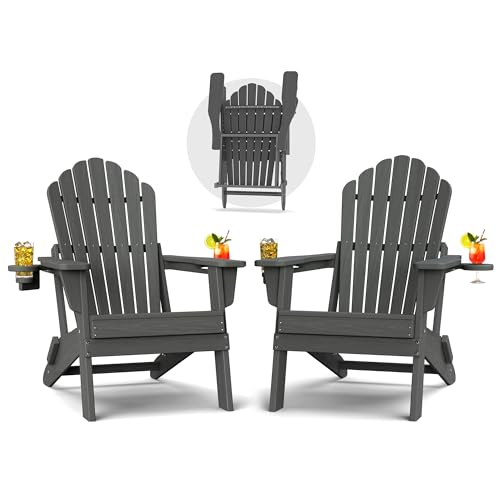
Adirondack Chairs Easy to Get Out Of
A practical buyer's guide for anyone who loves the classic Adirondack look but needs a chair that is comfortable to stand up from. Learn which design details make the biggest difference.
Why this matters: The classic Adirondack chair is famous for its deep recline and low seat. That shape is wonderful for lounging, but it can be a real challenge for older adults, people with knee or hip issues, and anyone recovering from injury. The good news is that a growing number of designs keep the iconic silhouette while raising the seat and strengthening the armrests. This guide explains exactly what to look for so you can choose with confidence.
What Makes an Adirondack Chair Easy to Get Out Of?
Standing up from a chair is a simple mechanical action: you shift your weight forward, plant your feet, push down on the armrests, and rise. An Adirondack chair that supports each part of that motion feels dramatically easier. Four design features do most of the work.
1. Higher Seat Height
A seat that sits closer to standard dining-chair height reduces the distance you must lift your body. This is the single most important factor for easy exit.
2. Strong, Wide Armrests
You push against the armrests to stand. Flat, wide, solid armrests give your hands a stable platform, while narrow or rounded arms offer little leverage.
3. A More Upright Back Angle
A deep recline forces you to rock forward before you can rise. A slightly more upright back keeps your center of gravity over your feet.
4. Balanced Seat Depth
If the seat is too deep, the front edge presses behind your knees and your feet cannot reach the ground flat. A shallower seat keeps your feet planted.
Quick tip: When you test a chair, sit down and try to stand without using your hands. If you cannot, try again while pushing on the armrests. A well-designed easy-exit chair should let you rise smoothly with a single push.
Key Measurements to Compare
Manufacturers describe seat geometry in different ways, so it helps to know which numbers matter. Use the table below as a reference when reading product specifications. Values are general ranges, not exact figures for every model.
| Measurement | What to Look For | Why It Helps |
|---|---|---|
| Seat height (floor to seat) | Higher than a traditional Adirondack; closer to standard chair height | Shorter lift distance when standing |
| Seat depth (front to back) | Shallow enough that your back rests against the backrest with feet flat | Prevents slouching and knee pressure |
| Armrest height | Comfortable to reach while seated, with a flat top surface | Gives leverage for pushing up |
| Backrest angle | Moderately upright rather than deeply reclined | Keeps weight forward over the feet |
| Overall weight | Light enough to reposition, heavy enough to feel stable | Safe entry and exit without tipping |
Design Variations Worth Knowing
Not every easy-exit Adirondack chair looks the same. Several design families address the same problem in different ways, and the right choice depends on how you plan to use the chair.
High-Seat Adirondack Chairs
These models raise the seat and shorten the back slightly while keeping the familiar fan-shaped back and wide arms. They are the most direct solution for anyone who struggles with a low seat. If you want the classic look with modern ergonomics, this is the category to start with. You can also explore Adirondack chairs with an adjustable backrest, which let you set a more upright position for easier standing and a reclined position for lounging.
Chairs With Retractable Footrests
A retractable footrest changes how you enter and exit the chair. When the footrest is tucked away, your feet reach the ground and you can stand naturally. When extended, the chair becomes a lounger. This dual-purpose design is popular with people who want relaxation without giving up easy access. See our guide to Adirondack chairs with a retractable footrest for a closer look.
Rocking Adirondack Chairs
Rocking versions add gentle motion, but the curved runners can make standing up feel less predictable. If you love the rocking motion, choose a model with a higher seat and pronounced armrests. Our overview of Adirondack rocking chairs covers the stability features to check.
Chairs With Cup Holders and Accessories
Cup holders and phone slots are convenient, but they should not compromise the armrest surface. Look for models where the holder is recessed into a wide, flat arm rather than replacing it. The Adirondack chair with cup and phone holder guide explains how to balance convenience with support.
Materials and Their Effect on Easy Exit
The material affects weight, stability, and how well the chair holds its shape over time. A chair that sags or flexes becomes harder to stand up from, so material choice is part of the comfort equation.
- All-weather resin and recycled plastic: These are molded into rigid shapes that resist sagging and require little maintenance. They are a strong choice for a chair that must stay supportive season after season. Explore all-weather Adirondack chairs with cup holders and Adirondack chairs made from recycled plastic.
- Wood (cedar, teak, acacia): Classic and beautiful, with a natural flex that some people find comfortable. Wood needs periodic sealing to prevent cracking, and a cracked armrest is a safety concern when you rely on it for leverage. Our acacia wood outdoor furniture guide covers care basics.
- Aluminum: Lightweight and rust-resistant, which makes it easy to move. Because it is light, check that the base is wide enough to feel stable when you push down on the arms.
- Recycled materials: Many recycled-plastic chairs are heavier and very rigid, which suits easy exit well. See Adirondack chairs made from recycled materials for options.
Cushions and Support Accessories
A cushion can add height and softness, but the wrong cushion can make things worse. A very soft, thick cushion compresses under your weight, lowering you back into the seat and reducing stability. A firm, high-density cushion is the better option because it adds a small amount of height while still supporting your push-off.
If you use a cushion, choose one with a non-slip base or ties so it does not slide forward as you stand. Also check that the cushion does not lift you so high that the armrests become awkward to reach.
Consider a side table: A small, sturdy side table beside the chair gives you something to steady yourself against and a place to set a drink or book. It is a simple addition that makes the whole seating area more usable.
How to Choose the Right Chair for Your Needs
Start by identifying the main reason standing up is difficult. If the issue is knee strength, seat height and armrests matter most. If the issue is balance, a more upright back and a stable, heavier frame are priorities. If the issue is flexibility, a shallower seat and a chair that does not recline deeply will help.
Next, think about where the chair will live. A chair on a deck or patio needs a stable, level surface. A chair on grass or gravel is harder to stand from because the ground shifts, so consider a small mat or a firmer surface beneath the chair.
Finally, consider the full seating arrangement. A pair of chairs with a shared side table creates a comfortable conversation area and gives each person a steady point of contact when rising. If you are furnishing a larger space, browse our Adirondack chairs collection for styles that coordinate.
Practical Checks Before You Decide
- Confirm the seat height and seat depth in the product specifications rather than relying on photos.
- Look for armrests described as flat, wide, or load-bearing.
- Check the weight capacity and the base width for stability.
- Read reviews from buyers who mention standing up, knee comfort, or mobility.
- Verify the return policy in case the chair does not suit you.
Frequently Asked Questions
What makes an Adirondack chair easy to get out of?
The main factors are a higher seat height, sturdy armrests you can push against, a slightly more upright back angle, and a seat depth that lets your feet stay flat on the ground. Together these reduce the effort needed to stand.
Are Adirondack chairs suitable for seniors or people with limited mobility?
Many standard Adirondack chairs sit low and recline deeply, which can be difficult for seniors. However, modified designs with raised seat heights, higher backs, and strong armrests are much easier to get out of and are a practical option for people with limited mobility.
Do I need a cushion to make an Adirondack chair easier to exit?
A firm cushion adds a few inches of seat height, which can help, but too soft a cushion reduces stability. A firm, high-density cushion is generally the better choice because it supports you as you push up.
Which material is best for an easy-exit Adirondack chair?
All-weather resin and high-grade recycled plastic are low-maintenance and hold their shape well. Wood such as cedar and teak is durable and classic but needs periodic care. Aluminum is lighter to move but can feel less steady unless it is properly weighted.
Ready to Compare Easy-Exit Adirondack Chairs?
Browse curated options with higher seats, supportive armrests, and stable frames. Check availability and read the full specifications before you decide.
View Recommended Chairs