Backyard Deck Guide: Design, Materials & Buying Tips
Everything you need to plan, furnish, and maintain a backyard deck that works as a true extension of your home — from material selection to furniture layout and seasonal care.
Why a backyard deck deserves careful planning: A deck is more than a platform outside your door. It is a structural investment, a gathering place, and one of the most used rooms of a home during warm months. Getting the design, materials, and furnishing right means years of comfortable outdoor living.
This guide walks you through every decision a homeowner faces — comparing decks to patios, choosing between wood and composite, laying out furniture, selecting weather-ready pieces, and keeping everything in shape season after season.
Backyard Deck vs Patio: Which Fits Your Home?
The first decision most homeowners face is whether to build a deck or a patio. Both expand usable outdoor space, but they suit different site conditions and lifestyles. A backyard patio is a ground-level surface built from concrete, pavers, or natural stone — ideal for flat lots and simple, long-lasting installations. A deck is an elevated structure, usually framed in wood or composite, that attaches to the house and works well on sloped or uneven terrain.
Decks offer several practical advantages: they can bridge grade changes without extensive excavation, they create a defined outdoor room with railings and stairs, and they can be built around existing trees or features. On the other hand, a patio typically requires less structural framing and integrates naturally with garden landscaping. Many homes ultimately combine both — a deck for elevated lounging and a patio for ground-level dining.
Handles Uneven Terrain
Decks can be built over slopes, roots, and low spots without extensive regrading, making them versatile for challenging yards.
Defines Outdoor Rooms
Railings, stairs, and elevation naturally separate the deck from the lawn, creating a distinct space for dining and lounging.
Extends Living Space
An attached deck flows directly from interior doors, making the transition between indoor and outdoor living seamless.
Flexible Design
Multi-level decks, built-in benches, and integrated planters allow the structure to be tailored precisely to how you entertain.
Choosing the Right Decking Material
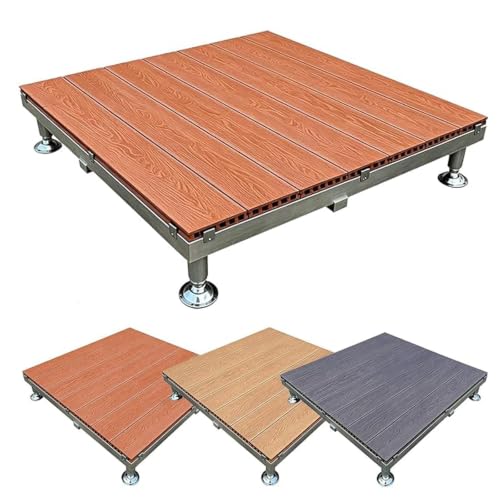
Decking material affects appearance, maintenance requirements, lifespan, and how the surface feels underfoot. The three main families are pressure-treated wood, composite decking, and natural hardwood. Each occupies a different position in the market, and the right pick depends on climate, upkeep preference, and design intent.
| Material | Tier | Best For | Maintenance Profile |
|---|---|---|---|
| Pressure-Treated Wood | Entry-level | Classic look, structural projects, budget-conscious builds | Requires periodic sealing and staining |
| Composite Decking | Mid-range | Low-maintenance households, consistent color, modern designs | Occasional cleaning; no sealing required |
| Cedar & Redwood | Premium | Natural warmth, insect resistance, high-end residential decks | Annual sealing recommended |
| Ipe & Hardwood | Luxury | Maximum durability, dense grain, flagship outdoor projects | Periodic oiling; very long service life |
Composite decking has become a popular mid-range choice because it balances durability with minimal upkeep. Wood remains appealing for its natural character and structural familiarity. Premium and luxury hardwoods reward homeowners with exceptional longevity and a rich finish, particularly in humid or coastal climates where insect and moisture resistance matter most.
When evaluating any material, focus on structural ratings, fastener compatibility, and warranty coverage rather than short-term appearance alone. A deck is a long-term investment, and choosing a material that matches your maintenance habits is more important than chasing a trendy finish.
Designing the Layout of Your Backyard Deck
A well-planned deck supports multiple activities without feeling crowded. Start by mapping how you actually use the space: dining, lounging, cooking, or quiet reading. Then divide the deck into zones and assign each a clear purpose.
Zone Planning Basics
- Dining zone: Place a nine-piece outdoor dining set or a backyard patio set near the kitchen door for easy serving access.
- Lounge zone: Anchor a seating group with a conversation set or Adirondack chairs around a focal point such as a fire pit or view.
- Cooking zone: Keep grills and prep surfaces away from high-traffic paths and position them to avoid smoke drifting into seating areas.
- Circulation: Maintain walkways of at least three feet between furniture groups so guests move comfortably.
- Scale: Match furniture footprint to deck size — oversized pieces overwhelm compact decks, while undersized pieces feel lost on large ones.
Multi-Level and Compact Decks
Multi-level decks naturally separate dining from lounging, while compact decks benefit from vertical storage, folding furniture, and built-in benches. A bar-height bistro table and chairs works well in tight corners, and compact balcony-friendly furniture principles apply equally to small decks.
Furnishing Your Backyard Deck
Furniture selection determines whether the deck feels like an outdoor living room or an empty platform. Prioritize weather resistance, comfort, and proportion. Frame materials such as aluminum outdoor furniture resist rust, while all-weather wicker patio furniture adds texture and comfort.
Seating and Dining
For dining, a nine-piece outdoor dining set with umbrella handles both meals and shade in one purchase. Swivel options such as a dining set with swivel chairs improve conversation flow. For lounging, lounge chairs and Adirondack chairs with cup holders deliver relaxed comfort with practical touches.
Shade, Ambiance, and Accessories
Shade is essential on exposed decks. A nine-foot patio umbrella with solar lights combines sun protection with evening ambiance. For structured shade, consider pergolas or retractable awnings. Add warmth and mood with fire pits, outdoor lighting, and outdoor rugs that define zones and soften hard surfaces.
Weatherproofing Your Furnishings
Even weather-resistant furniture lasts longer with protective measures. Use fitted patio furniture covers during off-seasons, store cushions in cushion storage solutions, and apply wood sealants to any timber furniture. All-weather materials reduce maintenance but never eliminate it entirely.
Maintaining a Backyard Deck Season After Season
Deck longevity depends on routine care. Sweep debris regularly to prevent moisture trapping, clean surfaces with mild solutions, and inspect fasteners and boards for loosening or rot. Wood decks benefit from periodic sealing, while composite decks need only occasional washing.
- Spring: Inspect for winter damage, clean the surface, and reseal wood if needed.
- Summer: Check furniture stability, tighten fasteners, and clean cushions before heavy use.
- Fall: Clear leaves from gaps, store loose accessories, and prepare covers for off-season protection.
- Winter: Remove snow accumulation with plastic tools, avoid chemical de-icers on wood, and inspect for freeze damage.
For more detailed routines, review our weatherproofing guide and winter storage guide. These habits protect both the structure and the furnishings placed on it.
Ready to Furnish Your Backyard Deck?
Explore curated outdoor furniture collections and compare features to find pieces that fit your deck's size, style, and climate.
Explore Backyard Patio SetsFrequently Asked Questions
What is the difference between a backyard deck and a patio?
A deck is an elevated structure typically built from wood or composite materials and attached to the house, while a patio is a ground-level surface made from concrete, stone, or pavers. Decks suit sloped or uneven yards, whereas patios work best on flat ground.
Which decking material is best for a backyard deck?
Composite decking offers low maintenance and consistent appearance, pressure-treated wood provides a classic look with periodic sealing, and hardwood such as cedar or ipe delivers premium durability and natural warmth. The right choice depends on climate, maintenance preference, and design goals.
How should I lay out furniture on a backyard deck?
Create distinct zones such as dining, lounging, and cooking areas. Leave clear walkways of at least three feet, anchor seating around a focal point like a fire pit or view, and scale furniture to the deck size so the space never feels crowded.
How do I maintain a backyard deck?
Sweep regularly, clean with a mild solution, seal wood surfaces periodically, inspect for loose fasteners or rot, and protect furniture with covers during harsh weather. Seasonal maintenance extends the lifespan of both the deck and the furnishings placed on it.