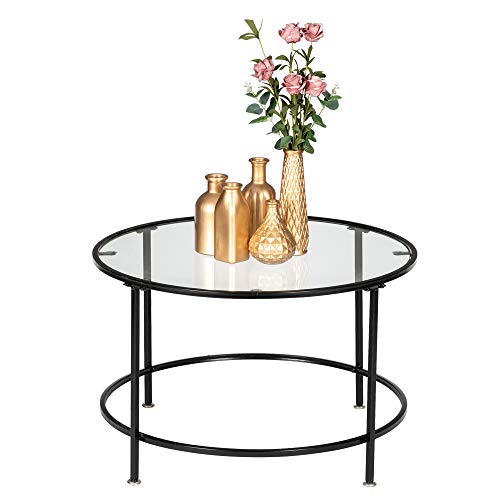
Black Wrought Iron and Glass Coffee Table: Complete Buying Guide
Everything you need to know about choosing a black wrought iron and glass coffee table for your patio, porch, or outdoor lounge area — from frame construction and glass options to sizing, styling, and long-term care.
Researching before you buy? You are in the right place. A black wrought iron and glass coffee table is one of the most versatile anchor pieces for an outdoor seating area — it blends classic craftsmanship with an open, airy look that keeps small patios from feeling crowded.
This guide walks you through the materials, construction details, sizing rules, and design considerations that matter most, so you can evaluate options with confidence and choose a piece that fits your space and lifestyle for years to come.
Why Choose a Black Wrought Iron and Glass Coffee Table
Outdoor coffee tables come in many forms — solid wood, resin, concrete, and aluminum among them. A black wrought iron and glass coffee table stands out for a few practical and aesthetic reasons that make it a favorite for patios and porches.
Visual lightness that opens up a space
Glass reflects light and lets the eye pass through the tabletop, which makes a patio feel larger and less cluttered. On a compact balcony or a narrow porch, this transparent quality is a genuine advantage over solid-top tables. If your space is tight, pairing a glass-top piece with compact seating ideas from our small patio design guide helps you keep circulation comfortable.
Timeless contrast
Black metal frames provide crisp visual definition against greenery, stone, and wood decking. The dark frame and clear top combination works across design styles — it reads as classic in a traditional garden and as minimalist in a modern setting. Our modern patio guide shows how black metal pieces anchor contemporary outdoor rooms.
Open frame, easier maintenance
Unlike tables with solid aprons or lower shelves, a glass-top wrought iron table typically has an open frame. That means fewer horizontal surfaces to collect pollen, leaves, and standing water. Debris brushes off the frame and wipes off the glass quickly, which matters in rainy or dusty climates.
A natural fit for conversation seating
Coffee tables are the centerpiece of lounge arrangements. A glass-top table gives guests a place to set drinks and small plates without dominating the seating zone. If you are building a full conversation set, our guide to black wicker patio furniture covers complementary seating options that share the same dark-frame aesthetic.
Quick take: Choose glass and wrought iron when you want an open, elegant look and easy wipe-down maintenance. Choose a solid-top table instead if you regularly host messy meals outdoors or have young children who lean heavily on furniture.
Anatomy of the Table: Frame, Glass, and Finish
Not all black wrought iron and glass coffee tables are built the same way. Understanding the three main components — frame, glass, and finish — helps you judge quality before you commit.
The frame: wrought iron vs. cast iron vs. steel
Strictly speaking, "wrought iron" describes a low-carbon iron alloy that is malleable and traditionally shaped by a blacksmith. Many pieces marketed as wrought iron are actually made from steel tubing or cast iron components. Each has trade-offs:
- Wrought iron (true): Dense, heavy, and extremely durable. It resists corrosion well when properly finished but is heavier to move and typically positioned in the premium or luxury tier.
- Cast iron: Very rigid and stable, often used for ornate legs and decorative elements. It is heavy and can chip if struck sharply. Our overview of cast iron garden furniture explains where this material shines.
- Steel tubing: Lighter and more affordable to produce, common in mid-range pieces. Quality depends heavily on wall thickness and coating. Our metal vs. aluminum comparison is useful context for weighing steel against lighter alternatives.
The glass: tempered is non-negotiable
Outdoor glass tabletops should be tempered safety glass. Tempered glass is heat-treated so that, if it does break, it shatters into small, blunt granules rather than sharp shards. It is also more resistant to thermal stress from sun exposure. When evaluating a product listing, look for the words "tempered glass" explicitly. Thickness in the range of roughly 6 mm to 10 mm is typical for coffee tables; thicker panels feel more substantial and resist flexing.
Some pieces use textured or frosted glass, which hides smudges and water spots better than clear glass. Clear glass shows off the frame design and any objects placed underneath, but it requires more frequent wiping.
The finish: powder coating and rust protection
The black finish on outdoor metal furniture is usually a powder coat — a dry polymer coating applied electrostatically and cured under heat. A well-applied powder coat is more chip-resistant and uniform than paint. Look for descriptions that mention a rust-resistant or rust-proof finish, and check whether the frame has drainage or weep holes so water cannot pool inside tubular legs. Our rust removal guide covers touch-up strategies if the coating does get nicked.
Frame Material
True wrought iron for heirloom durability; steel tubing for lighter mid-range pieces; cast iron for ornate stability.
Glass Type
Tempered safety glass, ideally 6–10 mm thick. Textured or frosted options hide marks better.
Finish
Powder-coated black with rust-resistant treatment. Check for weep holes in tubular legs.
Joinery
Welded joints outperform bolted ones for rigidity. Look for smooth, fully sealed welds.
Design Styles and Where They Fit
The black wrought iron and glass combination adapts to a wide range of outdoor design languages. Here is how the same material pairing reads differently depending on the frame silhouette and detailing.
Traditional and cottage garden
Scrolled legs, curved stretchers, and ornamental flourishes suit established gardens, brick patios, and homes with classic architecture. A brick patio provides a warm, textured backdrop that complements dark ironwork beautifully. Pair with cushion colors drawn from the garden palette for a cohesive look.
Modern and minimalist
Straight legs, thin frames, and rectangular glass tops create a clean, architectural statement. These pieces work well on blue stone patios and contemporary decks. If you lean toward a pared-back look, our minimalist deck guide offers layout and material advice that pairs well with a slim glass-top table.
Coastal and transitional
A black frame with glass top can read surprisingly coastal when surrounded by light textiles and natural textures. Our coastal nautical patio guide explores how to soften dark metal furniture with woven accents and pale cushions. Similarly, a bohemian patio layout can use a glass-top table as a neutral anchor among layered rugs and plants.
Mixing with other black metal pieces
One of the practical advantages of this table style is how easily it coordinates. You can build a unified outdoor room by pairing it with a black outdoor bench, black patio chairs, or a black wrought iron chaise lounge. A consistent black metal finish across pieces creates visual rhythm without requiring matching sets.
Sizing and Proportion Guide
Coffee table sizing is about relationship, not absolutes. The right dimensions depend on your seating, your walkway clearances, and how the table will be used.
The seating-to-table ratio
A common guideline is that the coffee table's length should be roughly two-thirds the length of the sofa or bench it sits in front of. For a typical two- or three-seat outdoor sofa, a table in the range of about 90 cm to 120 cm long works well. If you are pairing the table with individual lounge chairs, a square or round table in the 60 cm to 80 cm range keeps the grouping balanced.
Height relationship
Coffee table height should sit close to the seat height of your surrounding furniture — typically slightly lower than the seat cushion. If the table is much lower, guests have to lean awkwardly to reach drinks. If it is higher than the seat, the grouping feels top-heavy. Measure your seating before you shop, and check the table's listed height rather than estimating from photos.
Clearance and circulation
Leave roughly 40 cm to 45 cm between the table edge and the front of the seating so guests can move their legs comfortably. Also keep at least 75 cm of clear walkway behind seating so people can pass through. On a small patio, a glass-top table helps preserve the perception of space even when clearances are tight. For more layout strategies, see our measurement guide.
Shape selection
Rectangular tables suit long sofas and linear arrangements. Round tables soften tight groupings and have no corners to bump into. Square tables are efficient in compact, symmetrical setups. Oval tables split the difference and can work well in narrow spaces.
Practical tip: Mark your intended table footprint on the patio with painter's tape before you order. Walk around the marked area and sit in your chairs. It is the fastest way to catch a sizing mistake before the piece arrives.
Durability and Weather Performance
Outdoor furniture has to tolerate sun, rain, temperature swings, and seasonal storage. A black wrought iron and glass coffee table performs well when the materials and finish are appropriate.
How the frame handles weather
Iron and steel are strong but susceptible to rust if moisture reaches bare metal. The powder coat is the primary defense. Quality pieces have fully coated frames, including the undersides and inside leg tubes. In coastal environments, salt air accelerates corrosion, so a rust-resistant finish and regular rinsing become more important. If you live near the ocean, our weatherproofing guide explains additional protective measures.
Glass in heat and cold
Tempered glass handles typical outdoor temperature ranges well. The main risks are impact — dropping a heavy object onto the surface — and thermal shock from sudden extreme temperature changes. Avoid placing hot cookware directly on glass, and use coasters or trivets for hot drinks. In freezing climates, some manufacturers recommend removing loose glass tops for winter storage, so check the care instructions.
Stability and wind
A glass-top table is relatively light at the top, which can make it more susceptible to wind uplift than a solid-top table. Heavier wrought iron frames are naturally more stable. On exposed decks or balconies, consider a table with a weighted base design or plan to move it to a sheltered spot during high winds. Anchoring heavy furniture is covered in our outdoor safety tips.
Long-term outlook
With routine care, a well-built wrought iron frame can last for many seasons — often decades for true wrought iron. Glass tops are replaceable if damaged, and replacement panels are available for many standard sizes. That combination makes this a long-term investment piece rather than a disposable one.
Quality Tiers Explained
Outdoor furniture in this category spans a wide range of build quality. To keep comparisons useful and durable over time, we describe products by tier rather than by numbers. The tiers below reflect relative market position and construction quality.
| Tier | Typical Construction | Best For |
|---|---|---|
| Entry-Level | Thin steel tubing, lighter powder coat, simpler welded or bolted joints, thinner glass panel. | Covered porches, seasonal use, first-time buyers testing a layout. |
| Mid-Range | Thicker steel or iron frame, multi-step powder coating, smoother welds, standard tempered glass. | Year-round patios with moderate weather exposure and regular use. |
| Premium | True wrought iron or heavy-gauge construction, reinforced joints, high-grade rust-resistant finish, thicker or textured glass. | Exposed patios, coastal settings, long-term investment pieces and heirloom-quality furniture. |
Mid-range pieces usually offer the best balance for most households: the frame is substantial enough for daily use, and the finish holds up through normal seasonal changes. Premium construction makes sense when the table will live outdoors year-round in a demanding climate or when you want a piece you plan to keep for many years.
For broader context on how these tiers compare across furniture categories, our splurge vs. save guide explains where higher-tier construction delivers the most meaningful gains.
Styling Ideas for Outdoor Spaces
A glass-top table is a neutral canvas. How you style the surrounding area determines whether it reads formal, relaxed, or eclectic.
Grounding the arrangement
An outdoor rug beneath the seating group visually anchors the table and defines the conversation zone. Choose a rug size that extends at least 15 cm beyond the front legs of all surrounding furniture. Natural fiber-look rugs pair well with dark iron frames, while bold patterns create a more energetic feel.
Cushions and textiles
Black frames welcome almost any cushion color. White or cream cushions create high contrast and a crisp, resort-like look — our black furniture with white cushions guide explores that pairing. Red or terracotta cushions add warmth, while grey cushions keep the palette calm and contemporary.
Accessories with restraint
Glass tops show everything placed on them, so treat the surface as a display area that stays mostly clear. A tray corrals small items like a lantern and a candle. A single sculptural object or a small potted plant is enough. Strings of outdoor lighting overhead or a nearby wind chime add ambiance without cluttering the table itself.
Planting around the table
An outdoor planter set just behind or beside the seating group frames the table and adds green screening. Keep tall planters at the edges rather than between the table and seating so sightlines stay open.
Care and Maintenance Routine
A little routine care keeps a black wrought iron and glass coffee table looking sharp and protects the frame. The schedule below is intentionally simple.
Weekly or as needed
- Wipe the glass with a microfiber cloth and a mild glass cleaner or water with a drop of dish soap.
- Brush loose debris off the frame before it collects moisture against the coating.
- Wipe up spills on the metal frame promptly, especially sugary drinks that can attract insects.
Seasonally
- Wash the frame with mild soapy water and rinse thoroughly. Avoid abrasive pads and harsh solvents that can dull or chip the powder coat.
- Inspect joints, welds, and the undersides of legs for chips or rust spots. Touch up nicks with a matching black rust-resistant coating — our furniture cleaner guide covers suitable products.
- Check glass edges for chips. Small chips can weaken tempered glass over time; consult a glass professional if you see damage.
Before winter or storm season
- Clean and dry the piece thoroughly before storage or covering.
- Use a breathable furniture cover rather than plastic, which can trap condensation. Our patio furniture cover guide explains cover selection.
- In areas with freeze risk or very high winds, consider storing the glass top indoors. Our winter storage guide has full seasonal packing advice.
Avoid these: abrasive scouring pads on glass or powder coat, ammonia-heavy cleaners on metal finishes, and letting water stand in leg crevices or on the glass for extended periods.
Buying Checklist
Use this list when comparing product listings or viewing furniture in person. It distills the factors that most affect day-to-day satisfaction.
- Confirm the glass is tempered. The listing should say so explicitly. If it does not, ask the seller.
- Check frame material and weight. Heavier frames generally indicate denser metal and more stability.
- Review the finish details. Look for powder coating described as rust-resistant, with coverage on undersides and inside legs.
- Measure your seating and clearances. Compare the table's length and height against your sofa or chairs before ordering.
- Read the care instructions. Some glass tops can stay out year-round; others require winter removal.
- Check assembly requirements. Welded frames are typically delivered fully assembled; bolted frames may need basic tools and two people.
- Look at customer reviews for stability and coating durability. Patterns across many reviews are more informative than any single comment.
If you are furnishing an entire seating zone, pair this checklist with our patio essentials checklist to make sure you cover seating, shade, lighting, and tabletop accessories as a complete set.
Frequently Asked Questions
Is a glass-top coffee table safe for outdoor use?
Yes, provided the glass is tempered safety glass. Tempered glass is designed to withstand outdoor temperature variation and, if broken, shatters into small blunt pieces rather than sharp shards. Avoid placing hot items directly on the surface and inspect edges periodically for chips.
Does wrought iron rust outdoors?
Bare iron can rust when exposed to moisture and oxygen. Quality outdoor pieces are protected by a powder-coated finish that seals the metal. With routine cleaning and prompt touch-up of chips, the frame stays protected for many seasons. In coastal areas, rinse the frame periodically to remove salt residue.
What size coffee table should I pair with an outdoor sofa?
A common guideline is that the table's length should be about two-thirds the length of the sofa. For a typical two- to three-seat sofa, a table roughly 90 cm to 120 cm long is a practical starting point. Always check that you can maintain around 40 cm of clearance between the table edge and the seating.
Can I leave a glass-top table outside all year?
Many models are designed for year-round outdoor use, but conditions matter. In freezing climates, moisture trapped around glass edges can cause issues, and some manufacturers recommend removing the glass top for winter. Check the product care instructions, and use a breathable cover during long periods of disuse.
How do I remove water spots from the glass top?
Wipe the glass with a cloth dampened with a mix of water and a small amount of white vinegar, then dry with a clean microfiber cloth. For stubborn mineral deposits, a dedicated glass cleaner formulated for hard-water spots works well. Avoid abrasive powders that can scratch the surface.
What is the difference between wrought iron and cast iron frames?
Wrought iron is malleable and traditionally shaped by forging, giving it a dense, fibrous structure that resists impact well. Cast iron is poured into molds, producing rigid, ornate shapes that are very stable but can chip if struck sharply. Both are heavy and durable when properly finished; the choice often comes down to design style and available shapes.
Ready to Compare Options?
Browse curated black wrought iron and glass coffee table selections with the features discussed in this guide, and check availability from trusted retailers.
Explore Top Picks