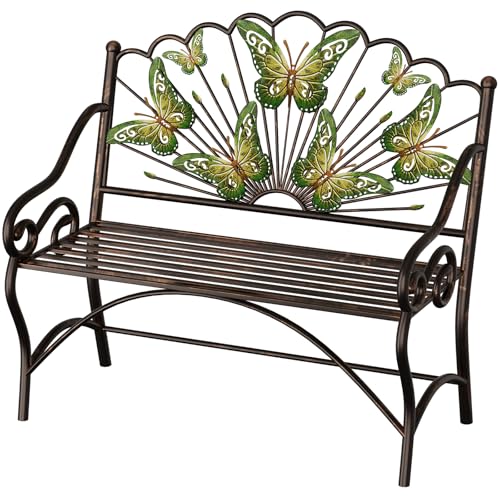
Cast Iron Garden Furniture: Timeless Strength for Your Outdoor Space
From ornate benches to classic garden tables, cast iron furniture delivers unmatched durability and old-world charm. Learn how to choose, style, and care for these heirloom-quality pieces.
Start the GuideWhy cast iron? Cast iron garden furniture has anchored parks, terraces, and formal gardens for well over a century. Its density makes it wind-stable, its surface accepts rich decorative detailing, and a well-maintained piece can outlast almost any other outdoor material. This guide explains what to look for, how different tiers compare, and how to keep your furniture looking its best season after season.
What Is Cast Iron Garden Furniture?
Cast iron is an iron-carbon alloy poured into molds while molten, which allows manufacturers to produce intricate shapes — scrollwork, filigree, lion-paw feet, and lattice backs — that would be impractical with other metals. In garden furniture, cast iron is most often used for bench frames and legs, table bases, and decorative chair components, sometimes paired with wood slats or glass tops.
It is important to distinguish true cast iron from wrought iron and cast aluminum. Wrought iron is worked and bent rather than poured, giving it a lighter, more slender profile. Cast aluminum mimics the look of cast iron at a fraction of the weight. If you want the authentic heft and permanence of cast iron, check the product specifications and construction details carefully — the difference shows up in both stability and longevity.
Exceptional Durability
Dense, heavy-duty construction resists impact, wind, and daily wear far better than most outdoor materials.
Wind Stability
The substantial weight keeps benches and tables firmly in place, even on exposed decks and breezy terraces.
Decorative Detail
Casting allows ornate patterns and classic silhouettes that suit formal gardens and traditional landscapes.
Long-Term Investment
A quality piece, properly maintained, can serve for decades and often becomes a family heirloom.
Types of Cast Iron Garden Furniture
Cast iron appears across nearly every furniture category, but a few formats are especially common in garden settings. Knowing the strengths of each helps you build a coordinated outdoor space.
Cast Iron Benches
The classic park bench is the signature cast iron piece. Frames are typically cast iron with wooden or metal slats, and the ornate end panels are where the material truly shines. A cast iron bench works as a focal point in a border, at the end of a path, or beneath a mature tree. Look for models with reinforced joints and a consistent, well-cured finish.
Cast Iron Garden Tables
A cast iron garden table pairs a sturdy pedestal or four-leg base with a top in glass, stone, or metal. These tables handle outdoor dining and display plants or lanterns with equal grace. If you plan to add shade, look for a base designed to accommodate an umbrella — a cast iron patio table with umbrella hole keeps the setup stable and tidy.
Chairs, Seating, and Accent Pieces
Cast iron chairs often feature decorative backs and are frequently paired with cushioned seats for comfort. Many gardeners combine cast iron frames with companion pieces from complementary materials to soften the look — for example, pairing a cast iron table with wrought iron chaise lounges for a unified metal theme. Smaller accents such as wrought iron and glass coffee tables can extend the same classic aesthetic to a seating zone.
Cast Iron vs. Other Outdoor Furniture Materials
Before committing, it helps to see how cast iron compares with the materials you may already be considering. The table below uses universal quality tiers rather than numeric figures, so it stays useful regardless of market conditions.
| Material | Durability Tier | Weight & Stability | Maintenance Level | Best For |
|---|---|---|---|---|
| Cast Iron | Top-tier / heirloom | Very heavy; excellent wind resistance | Moderate — periodic inspection and touch-ups | Formal gardens, permanent placements, classic style |
| Wrought Iron | High-end tier | Heavy; good stability | Moderate — recoat to prevent rust | Slender profiles, lightweight-looking frames |
| Cast Aluminum | Mid-range to premium | Lightweight; easy to reposition | Low — rust-resistant by nature | Flexible layouts, coastal areas, frequent rearranging |
| Teak / Hardwood | Premium | Moderate weight | Moderate — oiling or sealing recommended | Natural warmth, transitional and coastal styles |
| Resin / Plastic | Entry-level to mid-tier | Light; can shift in strong wind | Low | Casual settings, seasonal or temporary setups |
How to Choose Cast Iron Garden Furniture
Cast iron is a long-term purchase, so a few careful checks at the buying stage pay off for years. Focus on construction, finish, and how the piece will live in your specific space.
- Construction quality: Look for smooth castings without visible pits or seams, reinforced joints, and a frame that feels solid with no wobble. Heavy-duty hardware and well-fitted connections signal a well-made piece.
- Finish and coating: A powder-coated or multi-layer painted finish is your first line of defense against moisture. Ask how the finish is applied and whether touch-up materials are available.
- Weight and placement: Decide whether the piece will stay in one spot or move often. Cast iron is ideal for permanent focal points; for flexible layouts, consider casters or a lighter companion material.
- Climate: In humid, coastal, or snowy regions, prioritize pieces with proven rust-resistant coatings and plan a winter care routine. A sheltered spot or quality cover makes a meaningful difference.
- Style coordination: Cast iron suits traditional, cottage, and formal garden styles. If your space leans modern, pair a single cast iron accent with cleaner-lined pieces to keep the balance.
- Comfort add-ons: Cast iron seats are firm by design. Plan for cushions or pads — for example, black seat cushions for outdoor furniture pair naturally with dark iron frames and add welcome comfort.
Styling Cast Iron Furniture in Your Garden
Cast iron has a strong visual presence, so a little restraint goes a long way. Treat each piece as a deliberate accent rather than filling every corner.
A single bench framed by flowering borders creates a natural resting point. A garden table set beneath a pergola or beside a water feature becomes a destination. Pair dark iron with soft planting, gravel, or stone paving to let the furniture's silhouette stand out. For a cohesive outdoor room, extend the metal theme with pieces such as a wrought iron coffee table with glass top in a nearby seating area, and keep cushion colors muted so the ironwork remains the focal point.
If your garden leans toward a darker palette, browse our broader ideas on black outdoor furniture to build a consistent look across benches, tables, and seating. For a softer contrast, a black outdoor bench set against light stone or gravel reads as intentional and elegant.
Caring for Cast Iron Garden Furniture
Cast iron is remarkably tough, but its finish is what protects it. A simple seasonal routine keeps rust away and preserves both appearance and structural integrity.
- Routine cleaning: Wash with mild soap and water, then dry thoroughly. Avoid harsh abrasives that can dull the coating.
- Inspect regularly: Check for chips, scratches, and worn edges — especially after winter. Small issues are quick to fix and prevent bigger ones.
- Touch up promptly: Sand lightly and apply matching touch-up paint to any exposed metal. This single habit is the most effective rust prevention step.
- Seasonal protection: In harsh winters or coastal salt air, cover the furniture or move it to a dry, sheltered location. Ensure cushions are stored separately and kept dry.
- Mind the joints: Bolts and connecting points can loosen over time. A quick tighten at the start of the season keeps the piece stable and safe.
For a deeper seasonal routine that covers cleaning products, protective covers, and storage, see our dedicated guides on outdoor care and weatherproofing your outdoor furniture.
Ready to Explore Cast Iron Options?
Compare styles, construction details, and finishes to find the cast iron piece that fits your garden and your long-term plans.
View Recommended ProductsFrequently Asked Questions
Is cast iron garden furniture worth the investment?
Yes — cast iron is a genuine long-term investment. Its dense construction resists wind, heavy use, and seasonal temperature swings, and a properly maintained piece can last for decades or even generations, making it efficient in the long run compared with furniture that must be replaced every few seasons.
Does cast iron garden furniture rust?
Cast iron can rust if its protective coating wears away. Most quality pieces ship with a powder-coated or painted finish, and routine inspection plus prompt touch-up painting will keep rust at bay for years. Coastal and humid climates call for a little extra attention.
How do I maintain cast iron garden furniture?
Clean with mild soap and water, dry thoroughly, inspect for chips or scratches, and apply touch-up paint promptly. During long off-seasons, cover the furniture or store it in a dry location. Tightening joints at the start of each season is also a good habit.
Is cast iron furniture too heavy to move?
It is heavy — which is exactly why it stays stable in windy conditions. For pieces you need to reposition often, look for designs with casters or wheels, or choose smaller chairs and side tables that are easier to relocate. Cast iron works best as a permanent anchor in a garden layout.
Can cast iron garden furniture stay outside all year?
Many high-quality cast iron pieces are designed for year-round outdoor use, but in regions with harsh winters or heavy salt exposure, covering the furniture or moving it to a sheltered spot will significantly extend its lifespan. Pairing good habits with a quality finish is the best combination.