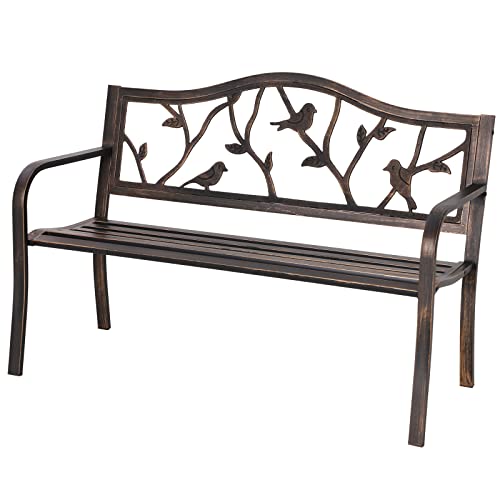
Cast Iron Bench: The Complete Buying Guide
Timeless, sturdy, and full of character — a cast iron bench can anchor your garden for decades. Learn how to choose the right style, finish, and build quality before you invest.
Why a cast iron bench deserves a closer look: If you have been searching for outdoor seating that feels permanent and elegant, a cast iron bench sits at the intersection of classic design and serious durability. These benches are heavy by nature, which is exactly what makes them stable in windy gardens and visually substantial on a lawn or patio.
This guide walks you through what cast iron really means, how it compares with wrought iron and aluminum, and how to pick a bench that matches your space and your long-term plans.
What Exactly Is a Cast Iron Bench?
A cast iron bench is made by pouring molten iron into a mold, producing solid, intricately shaped components — typically the legs, armrests, and decorative back panels. The result is a piece with fine ornamental detail that is difficult to achieve with welded tube steel. Many benches combine cast iron ends with wooden or metal slats for the seat and backrest, balancing structural strength with comfort.
Because cast iron is dense, these benches are notably heavy. That weight is a functional advantage: it resists tipping, stays put in strong winds, and signals a solid build. It also means a two-person assembly is often wise, and you should plan the final location before moving the bench into place.
Solid Construction
Cast iron components are molded as single pieces, giving the frame inherent rigidity and a weighty, grounded feel.
Ornate Detailing
Scrollwork, floral motifs, and lattice patterns are cast directly into the metal, delivering traditional character.
Weather Resilience
With a proper powder-coated or painted finish, cast iron handles rain, sun, and seasonal temperature swings well.
Long Service Life
A well-maintained cast iron bench is a long-term investment that can serve a garden for many years.
Cast Iron vs. Wrought Iron vs. Aluminum
Understanding the differences helps you decide whether cast iron is the right match for your garden. Here is how the three most common metal bench materials compare in practical terms.
| Material | Weight & Stability | Detail Capability | Best For |
|---|---|---|---|
| Cast Iron | Heavy, very stable in wind | Excellent — intricate molded patterns | Traditional gardens, permanent placements |
| Wrought Iron | Moderate to heavy | Good — hand-forged curves and scrolls | Custom designs, decorative fencing-style benches |
| Cast Aluminum | Lightweight, easy to reposition | Good — molded detail at lower weight | Balconies, rental spaces, frequent rearranging |
If you prefer a lighter metal option with similar ornamental appeal, explore cast aluminum patio furniture as a comparison point. For a broader look at metal seating styles across the garden, the cast iron garden furniture collection guide covers complementary pieces.
Popular Cast Iron Bench Styles
Cast iron benches span a range of design languages. The right style depends on the architecture of your home and the mood of your garden.
Classic Victorian & Scrollwork
The most recognizable style, featuring flowing scrolls, floral casts, and a high backrest. These benches suit cottage gardens, formal lawns, and period properties. The detail is the centerpiece, so place them where the ornamentation can be seen clearly.
Park-Style Slatted Benches
Cast iron ends paired with horizontal wooden or metal slats create the familiar park bench silhouette. This style is versatile and reads well in both traditional and contemporary gardens. It pairs naturally with butterfly benches if you are building a coordinated seating area.
Garden & Courtyard Benches
Smaller two-seat benches with decorative backs are ideal for courtyards, rose gardens, and entryways. They work well as accent seating rather than primary lounging, and their footprint suits compact spaces.
Tree & Curved Benches
Curved cast iron benches are designed to wrap around tree trunks or follow the contour of a circular patio. They add a sculptural quality to garden design and encourage conversation-friendly seating arrangements.
How to Evaluate Build Quality
Not all cast iron benches are created equal. The differences show up in the castings, the joins, and the finish — and they determine how the bench holds up over the years.
- Check the castings: Look for smooth, uniform surfaces without excessive pitting, seams, or thin spots. Thicker castings resist cracking and hold detail better.
- Inspect the joints: Where cast iron meets slats or other components, the fasteners should be sturdy and well-seated. Bolted connections that can be tightened are preferable to glued or riveted ones.
- Assess the finish: A quality powder-coated finish or multi-layer paint system protects against rust. Look for even coverage, especially in recessed decorative areas where moisture can collect.
- Weigh the feel: A bench that feels solid and substantial when you press on it is a good sign. Excessive flex in the frame suggests thinner material.
- Check stability: All four feet should sit level on a flat surface. Some benches include adjustable glides to compensate for uneven paving.
For a broader perspective on construction standards across metal outdoor seating, the cast aluminum patio chairs guide covers similar quality markers in a lighter material class.
Comfort and Ergonomics
Metal benches are not known for plush comfort, but a well-designed cast iron bench can still be pleasant for reading, conversation, and short rests. Pay attention to these details:
- Seat depth and height: A seat depth of roughly 17–19 inches and a height near 17 inches suits most adults. Deeper seats are more lounging-friendly but require more legroom.
- Backrest angle: A slight recline is more comfortable than a perfectly vertical back. Look for a backrest that supports the lumbar area rather than pushing you forward.
- Armrests: Cast iron armrests add structure and help when standing up. They also frame the bench visually.
- Cushion compatibility: Many benches accept tie-on cushions or seat pads. If comfort matters, confirm the bench dimensions before selecting black seat cushions for outdoor furniture or another cushion set.
Where a Cast Iron Bench Works Best
Because these benches are heavy and often ornate, placement matters as much as the bench itself. Consider these settings:
- Lawn focal points: A bench at the end of a garden path or beneath a large tree creates a natural destination.
- Patio edges: Placed along the perimeter of a blue stone patio or brick patio, a cast iron bench frames the space without dominating it.
- Courtyards and entryways: A compact bench beside a front door or in a walled courtyard adds character and practical seating.
- Garden rooms: As the centerpiece of a defined garden room, a cast iron bench anchors the design and provides a resting point.
- Rose and flower gardens: The traditional styling pairs naturally with climbing roses, lavender, and structured borders.
If your garden leans toward a relaxed, eclectic look, a cast iron bench can still fit — see the bohemian patio styling guide for ideas on mixing formal metal seating with softer, layered textiles.
Care and Maintenance for Longevity
Cast iron is durable, but it is not maintenance-free. A simple seasonal routine keeps rust at bay and preserves the finish.
- Clean regularly: Wipe down with a damp cloth and mild soap. Avoid abrasive pads that can scratch the coating.
- Inspect for chips: Touch up any chips or scratches in the finish promptly with matching paint to prevent rust from starting.
- Treat rust early: If rust appears, sand the affected area, apply a rust converter, and repaint. Small fixes prevent larger problems.
- Store or cover in winter: In regions with harsh winters, move the bench to a sheltered spot or use a breathable cover. This is especially important for wooden slats.
- Check fasteners seasonally: Tighten bolts and replace any worn hardware to keep the bench stable.
For a deeper maintenance schedule covering metal and wood outdoor pieces, see the cast iron garden table care notes, which share the same finish and rust-prevention principles.
Understanding Cast Iron Bench Tiers
Cast iron benches fall into recognizable quality tiers. Rather than focusing on figures, use these descriptors to understand where a given bench sits in the market and what you can expect from it.
| Tier | Typical Characteristics | Best For |
|---|---|---|
| Entry-Level | Thinner castings, simpler detailing, basic painted finish | Occasional use, sheltered spots, first garden bench |
| Mid-Range | Solid castings, good powder coating, comfortable proportions | Everyday garden seating, mixed sun and shade |
| Premium | Heavy castings, intricate detail, multi-layer finish, quality hardware | Focal-point placement, long-term garden planning |
| Luxury / Heritage | Traditional casting methods, exceptional ornamentation, refined finishes | Period properties, collectors, statement gardens |
A mid-range bench generally offers the most balanced combination of durability and design detail for most gardens. Premium and luxury tiers make sense when the bench is a permanent architectural feature rather than movable seating.
Ready to Choose Your Cast Iron Bench?
Browse our curated selection of cast iron and metal garden benches to find the right match for your outdoor space.
Explore Cast Iron Garden FurnitureFrequently Asked Questions
Is a cast iron bench rust-proof?
No metal is completely rust-proof, but cast iron benches with a quality powder-coated or painted finish resist rust well. Regular inspection and prompt touch-ups on chips or scratches keep the finish intact and prevent corrosion from spreading.
How heavy is a cast iron bench?
Weight varies with size and design, but cast iron benches are consistently heavy — often requiring two people to move safely. This weight is what provides stability in wind and a solid, grounded feel. Plan the final location before assembly.
Can a cast iron bench stay outside all year?
Yes, with preparation. In mild climates, a well-finished bench can remain outdoors year-round. In regions with heavy snow or freezing temperatures, covering the bench or storing it in a shed protects both the metal finish and any wooden slats.
Cast iron or cast aluminum for a garden bench?
Cast iron offers greater weight and a more traditional, substantial feel. Cast aluminum is lighter and easier to move, making it better for balconies and rentals. For a permanent garden focal point, cast iron is the stronger choice; for flexibility, aluminum has the edge.
How do I make a cast iron bench more comfortable?
Tie-on seat cushions and back pads add comfort without altering the bench. Choose weather-resistant outdoor cushions sized to the bench seat, and secure them with ties to prevent slipping. A small lumbar pillow can also improve support for longer sitting sessions.
What finish is best for a cast iron bench?
Matte black is the most traditional and forgiving finish, blending into most garden settings. White and bronze finishes create more of a statement. Whatever the color, prioritize a multi-layer or powder-coated finish over a single thin coat of paint for durability.
Looking to coordinate your seating area? Pair your bench with conversation set pieces or explore the cast iron patio table with umbrella hole for a matching dining setup. For a wider view of metal garden seating, the black outdoor bench guide covers complementary finishes and styles.