Cast Iron Garden Table: The Complete Buying & Care Guide
Everything you need to know about choosing, using, and maintaining a cast iron garden table — from material science and style matching to long-term care and safety.
Start the GuideA cast iron garden table is a long-term investment in outdoor living. Unlike lightweight resin or aluminum tables that may need replacing within a few seasons, cast iron brings heft, stability, and a timeless silhouette that anchors a garden or patio for years. This guide walks you through the practical decisions — material grade, finish, tabletop type, seating capacity, and maintenance — so you can choose confidently and keep your table looking its best season after season.
1. Why Choose a Cast Iron Garden Table?
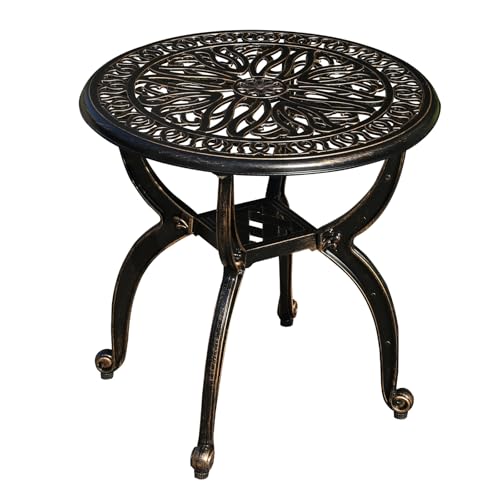
Cast iron has been used in garden furniture for well over a century, and for good reason. The material is produced by pouring molten iron into molds, which allows manufacturers to create intricate decorative details — scrollwork legs, lattice patterns, and ornamental stretchers — that would be difficult or impossible to achieve with other metals. The result is a table that functions as both furniture and garden ornament.
Beyond aesthetics, cast iron offers practical advantages that matter in an outdoor setting:
- Substantial weight and stability. Cast iron tables resist tipping and shifting in strong wind far better than lighter alternatives. This is especially valuable on elevated decks, exposed terraces, or windy coastal gardens.
- Durable construction. A well-finished cast iron frame can last for decades with basic care. The metal is dense and resistant to denting under normal garden use.
- Classic design language. Cast iron suits traditional, cottage, Victorian, and formal garden styles particularly well. It pairs naturally with stone, brick, and mature planting.
- Heat retention. Cast iron holds warmth from the sun, which can be pleasant in cooler evenings — though it also means the surface can become hot in direct summer sun, so a tabletop material choice matters (discussed below).
If you are furnishing an entire garden, it helps to think of the table as the anchor piece and build outward. Our guide to cast iron garden furniture covers how tables, benches, and chairs work together as a coordinated set. For a seating companion, the cast iron bench is a natural match in both material and style.
2. Cast Iron vs. Wrought Iron vs. Aluminum
The term "iron garden table" is often used loosely, but cast iron, wrought iron, and aluminum behave quite differently. Understanding the distinction helps you evaluate listings accurately and avoid disappointment.
Cast Iron
Cast iron is poured into molds, giving it a slightly textured surface and the ability to hold fine decorative detail. It is the heaviest of the three and the most resistant to deformation. Because it is brittle compared to wrought iron, it can crack under extreme impact, but under normal garden conditions it is extremely robust. Most cast iron garden tables are finished with powder coating or paint to prevent rust.
Wrought Iron
Wrought iron is worked — bent, forged, and welded — rather than cast. It is more malleable and can be shaped into slender, graceful curves. Wrought iron tables are typically lighter than cast iron but still substantial. Genuine wrought iron is increasingly uncommon; many products labeled "wrought iron" are actually mild steel with a decorative finish. For a comparison of table styles, see our guide to the cast iron patio table with umbrella hole, which discusses how the two iron types differ in practice.
Cast Aluminum
Cast aluminum mimics the look of cast iron at a fraction of the weight. It will not rust, which makes it appealing in coastal and humid climates, but it can dent and is more likely to shift in high wind. If you love the cast iron look but need something easier to move, cast aluminum patio furniture is the practical alternative. Our broader guide to cast aluminum outdoor dining sets compares the two material families side by side.
| Material | Weight | Rust Behavior | Best For |
|---|---|---|---|
| Cast iron | Heaviest | Can rust if finish is damaged; needs protective coating | Windy sites, traditional gardens, long-term placement |
| Wrought iron / steel | Moderate to heavy | Rusts at welds and scratches; requires touch-ups | Slender decorative designs, classic patio sets |
| Cast aluminum | Light | Does not rust | Coastal areas, balconies, easy repositioning |
3. Styles, Shapes & Tabletop Options
Cast iron garden tables come in a range of shapes and tabletop materials. The frame is usually cast iron, while the top may be glass, stone, metal, or a composite. Each combination has trade-offs.
Tabletop Materials
- Glass tops. Tempered glass is the most common pairing with cast iron frames. It reflects light, keeps the table from feeling visually heavy, and is easy to wipe clean. The downside is that glass can chip or shatter under impact, and it shows water spots. A wrought iron and glass coffee table demonstrates the same design principle at a smaller scale.
- Stone and composite tops. Stone tops add weight and a natural texture that suits formal gardens. They are excellent for dining but require sealing and are prone to staining from oils and acidic foods if unsealed.
- Solid metal tops. A cast iron or steel top is virtually indestructible but heavy and can become very hot in direct sun. Metal tops are common on bistro-style tables.
- Wood tops. Less common on cast iron frames, but some designs pair an iron base with a slatted hardwood top. Wood requires regular oiling and is best under a covered porch or pergola.
Shape and Seating Layout
Round tables encourage conversation and work well in compact gardens. Rectangular tables suit larger gatherings and pair naturally with bench seating. Square tables are space-efficient for four diners. If you plan to add shade, check whether the table includes a parasol hole — our guide to the cast iron patio table with umbrella hole explains the practical benefits and how to match an umbrella to the table's weight and footprint.
For a full dining arrangement, cast iron tables pair well with a matching chair set. The black rattan dining chairs set of 4 offers a contrasting texture, while cast aluminum patio chairs provide a lighter-weight seating option that still reads as metal.
4. Sizing and Seating Capacity
Because cast iron tables are heavy and difficult to move once placed, measure your space carefully before ordering. A few practical guidelines:
- Allow 24–30 inches (60–75 cm) of clearance per diner along the table edge for comfortable seating.
- Leave at least 36 inches (90 cm) between the table edge and walls or railings so chairs can pull out without obstruction.
- Account for the table's footprint plus chair pull-out when planning a compact patio or balcony.
| Table Shape | Typical Seating | Best For |
|---|---|---|
| Round, small | 2–4 | Balconies, breakfast nooks, intimate gardens |
| Square | 4 | Compact patios, symmetrical layouts |
| Rectangular, mid-size | 4–6 | Family dining, covered porches |
| Rectangular, large | 6–8 | Entertaining, spacious terraces |
| Round, large | 6 | Conversation-focused dining, gazebos |
If your space is tight, a round or square table generally offers better circulation than a long rectangle. For more layout ideas, our guide to the black round outdoor dining table for 6 explores how round tables change the flow of a patio.
5. Durability, Weather & Rust
Cast iron is tough, but "tough" is not the same as "maintenance-free." Understanding how the material responds to weather helps you set realistic expectations.
How Cast Iron Reacts to the Elements
Bare cast iron rusts when exposed to moisture and oxygen. That is why virtually every garden-grade cast iron table is finished with powder coating, paint, or galvanizing. The finish is the table's first line of defense. Once the coating is scratched or chipped, rust can begin at the exposed spot and spread beneath the coating if left untreated.
UV exposure can fade paint over time, particularly on darker finishes. Freeze-thaw cycles are less of a concern for the iron itself, but water trapped in joints or under glass tops can cause problems over winter. If you live in a region with harsh winters, plan to cover the table or store it in a shed or garage during the coldest months.
Strengths
- Excellent stability in wind
- Long service life with basic care
- Resists denting under normal use
- Classic, decorative aesthetic
- Heavy-duty construction suited to permanent placement
Trade-offs
- Very heavy — difficult to move
- Finish can chip and expose bare metal
- Requires periodic touch-up painting
- Not ideal for renters or frequent rearrangers
- Glass tops add fragility
For a broader look at how different metal furniture types handle weather, our metal vs aluminum furniture guide is a useful companion. If you are weighing cast iron against cast aluminum specifically, the cast aluminum outdoor dining set for 6 page illustrates what you gain and give up by moving to the lighter material.
6. Care and Maintenance Routine
A cast iron garden table rewards a simple but consistent maintenance routine. The goal is to keep the protective finish intact and prevent moisture from sitting on bare metal.
Weekly and Seasonal Cleaning
- Wipe the tabletop with a soft cloth and mild soapy water. Avoid abrasive pads or harsh chemical cleaners that can dull the finish.
- Rinse and dry thoroughly after cleaning. Standing water is the enemy of any iron finish.
- Inspect the frame at the start and end of each season. Look for chips, scratches, or areas where the coating has worn thin — particularly around joints, feet, and the tabletop edge.
- Touch up exposed spots with a matching rust-proof paint or enamel. Treating a small chip early prevents it from becoming a larger repair.
Protecting the Finish
Applying a coat of carnauba-based wax once or twice a season helps seal the finish and makes dirt easier to remove. Avoid silicone-based products, which can interfere with future repainting. If your table has a glass top, clean it with a glass cleaner and check the edge for chips — a chipped glass top should be replaced rather than used, as it can fail suddenly.
Winter and Off-Season Storage
In mild climates, a fitted cover is usually sufficient. In colder climates, bring the table indoors or store it under a solid roof. If you must leave it outside, ensure the cover allows ventilation so condensation can escape. For a full seasonal checklist, see our winter storage guide and weatherproofing guide.
7. Safety and Placement Tips
The weight that makes cast iron so stable also creates a few practical safety considerations:
- Plan the location before assembly. Moving an assembled cast iron table is a two-person job at minimum. Decide on the final position first, then assemble in place.
- Check the surface underneath. On a wooden deck, use furniture pads under the feet to distribute weight and prevent scratches. On uneven paving, check that the table sits level — a wobbling heavy table can tip if overloaded on one side.
- Watch for heat. In direct summer sun, metal and dark stone tops can become uncomfortably hot. A parasol or a table in dappled shade solves this. If you use an umbrella, confirm the table has a properly reinforced parasol hole and that the base is heavy enough for the umbrella's canopy size.
- Secure glass tops. Ensure the glass is properly seated and that any retaining clips or bumpers are in place. Replace chipped or cracked glass immediately.
- Anchor where necessary. In very exposed or coastal locations, consider anchoring the table or adding weight to the base of any umbrella used with it.
For a coordinated outdoor space, a cast iron table works well alongside a black outdoor bench for overflow seating, or a black wrought iron coffee table with glass top for a low seating area nearby.
8. Frequently Asked Questions
Is a cast iron garden table suitable for all climates?
Cast iron garden tables are highly durable, but they perform best in climates with proper maintenance. In coastal or humid areas, choose models with a powder-coated or rust-proof finish. In freezing climates, bring the table indoors or use a fitted cover during winter to prevent moisture buildup and cracking of any glass or stone top.
How heavy is a cast iron garden table?
Cast iron garden tables are substantially heavier than aluminum or resin alternatives, often requiring two or more people to move. This weight is a benefit for stability in windy conditions, but it means you should plan the table's location carefully before assembly and avoid frequent repositioning.
Can cast iron garden tables rust?
Yes, bare cast iron can rust when exposed to moisture and oxygen over time. However, most modern cast iron garden tables feature powder-coated, painted, or galvanized finishes that resist rust. Regular inspection and touch-up of scratches with rust-proof paint will keep the table protected for years.
How do I clean a cast iron garden table?
Use a soft brush or cloth with mild soap and warm water. Avoid abrasive cleaners or steel wool that can scratch the finish. Rinse thoroughly and dry completely to prevent water spots. For deeper cleaning, apply a carnauba-based wax once or twice a season to protect the finish and make future cleaning easier.
What tabletop material is best for a cast iron garden table?
It depends on how you plan to use the table. Tempered glass is the most common choice — it is easy to clean and visually light. Stone or composite tops suit formal settings but require sealing. Solid metal tops are the most durable but can get hot in direct sun. Choose based on maintenance preference and sun exposure rather than assuming one is universally better.
Ready to Choose Your Cast Iron Garden Table?
You now have the full picture: material grades, tabletop options, sizing, maintenance, and safety. Browse our curated selection of cast iron garden tables to find the right match for your outdoor space.
Explore Cast Iron Garden Tables