Butterfly Bench: The Complete Guide to Decorative Outdoor Garden Seating
Everything you need to know about choosing, placing, and caring for a butterfly bench — a whimsical focal point that blends garden art with everyday seating comfort.
Why a butterfly bench deserves a closer look: A butterfly bench is more than a seat. It is a sculptural garden accent, a conversation piece, and a practical resting spot rolled into one. This guide walks you through materials, design styles, placement strategies, and long-term care so you can choose with confidence and enjoy your bench for many seasons.
What Is a Butterfly Bench?
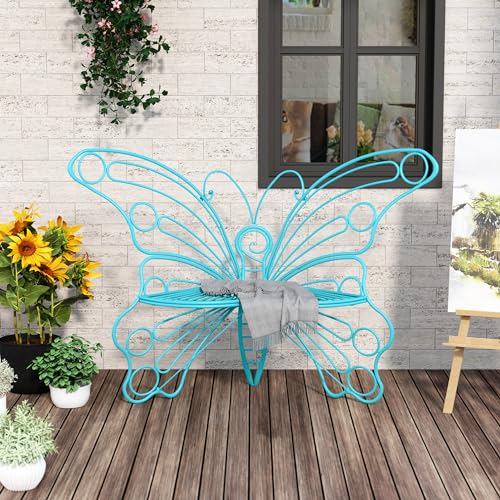
A butterfly bench is an outdoor seating piece whose backrest, arms, or side panels are shaped like butterfly wings. The design ranges from a subtle wing-shaped silhouette cut into a solid backrest to a fully sculpted metal frame where the wings extend outward as decorative flourishes. The result is a bench that reads as garden art first and seating second — though most models are engineered to support real, everyday use.
These benches are typically built for gardens, patios, porches, and landscaped borders. They work as standalone focal points, paired seating near a water feature, or photo-friendly accents in a flower bed. Because the silhouette is distinctive, a butterfly bench tends to become the visual anchor of whatever space it occupies, so choosing the right style and scale matters more than with a plain garden bench.
Why Homeowners Choose a Butterfly Bench
Instant Focal Point
The wing silhouette draws the eye and gives a garden bed, pathway, or patio corner a ready-made centerpiece without additional decoration.
Art Meets Function
Unlike a statue or fountain, a butterfly bench also gives you a place to sit, read, or rest — practical value alongside visual appeal.
Seasonal Charm
The motif pairs naturally with spring and summer planting schemes and can anchor seasonal displays, from flower beds to holiday lighting.
Photo-Friendly Design
Its distinctive shape makes it a favorite backdrop for family photos, garden tours, and social media, adding extra enjoyment to the space.
Materials and Build Quality
The material of a butterfly bench determines its weight, weather resistance, maintenance needs, and how faithfully the wing details hold their shape over time. The three most common constructions are cast metal, wrought iron or steel tube frames, and wood or wood-composite panels.
- Cast aluminum and cast iron: These allow the most intricate wing detailing because molten metal fills fine molds. Cast aluminum is lighter and resists rust well; cast iron is heavier and extremely rigid but demands attention to coating integrity in wet climates. Both are excellent for a sculptural butterfly bench where the wing pattern is the star.
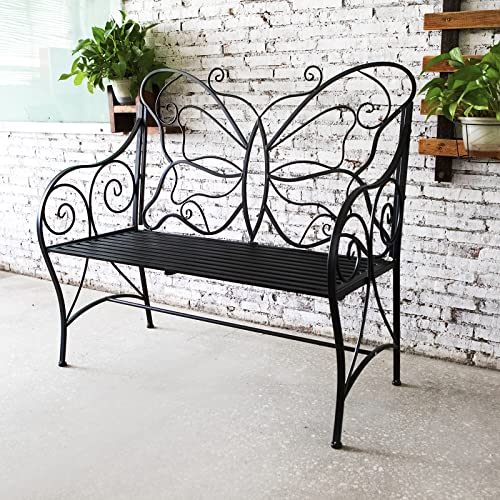
- Wrought iron and steel tube: These frames produce a lighter, more open silhouette. Look for powder-coated finishes and welded joints rather than press-fit connections. A black outdoor bench in this construction is a classic, understated option.
- Wood and wood composite: A wooden butterfly bench brings warmth and blends into naturalistic plantings. Hardwoods such as teak and acacia outperform softwoods, and a black outdoor bench finish can unify the piece with darker patio furniture. Composite boards resist rot but may have less crisp wing cutouts.
Popular Butterfly Bench Styles
Style choice usually comes down to whether you want the butterfly motif to be bold and literal or subtle and structural. The main options are:
- Sculpted wing backrest: The wings form the entire backrest, often with cut-out patterns. This is the most dramatic style and works best as a standalone focal piece.
- Wing-shaped side panels: The wings appear as armrests or side silhouettes, giving a more restrained look that still reads clearly as a butterfly bench.
- Etched or perforated metal back: The butterfly appears as a pattern cut into a conventional bench back — a good compromise for smaller gardens.
- Two-seat garden bench: A wider bench with wing details suits patios and porches where a single-seat bench would feel undersized.
If your outdoor space already has a strong theme — for example a bohemian patio or a boho outdoor furniture collection — choose a butterfly bench whose finish and linework match the rest of the scheme rather than competing with it.
Butterfly Bench Tiers at a Glance
Rather than comparing figures, it helps to think of butterfly benches in quality tiers. Each tier describes where a model sits in the market and what level of detailing, durability, and finish work you can typically expect.
| Tier | Typical Construction | Best For |
|---|---|---|
| Entry-level | Light steel or resin with painted finish; simpler wing cutouts | Occasional use, seasonal displays, and renters who want a decorative accent |
| Mid-range | Powder-coated steel or cast aluminum; crisp wing detailing; welded joints | Year-round garden seating in most climates; the sweet spot for most homeowners |
| Premium | Cast aluminum or hardwood with multi-step finish; reinforced wing bracing | High-visibility focal points and long-term outdoor installation |
| Luxury | Hand-finished cast metal or artisan hardwood; sculptural, gallery-quality detailing | Signature garden features and collectors who value craftsmanship |
As a rule, a mid-range butterfly bench offers noticeably smoother casting and a more durable coating than an entry-level model, while premium and luxury tiers focus on finish depth and structural rigidity. Choose the lowest tier that meets your climate and usage needs rather than the highest tier available.
Where to Place a Butterfly Bench
Placement determines whether a butterfly bench feels like a planned feature or an afterthought. A few reliable approaches:
- Garden focal point: Set the bench at the end of a path or in a flower bed so the wings frame a view. Leave planting space around the base so the bench appears to grow out of the garden.
- Patio accent: On a blue stone patio or brick patio, place the bench against a wall or low hedge to anchor the seating zone without blocking circulation.
- Porch or entryway: A butterfly bench near the front door welcomes guests and adds personality to the entry sequence. Keep the walkway clear.
- Photo spot: Position the bench with a clean background and good natural light. Avoid placing it where harsh midday sun washes out the wing detail.
Scale matters. A sculpted wing backrest needs breathing room; in a tight courtyard, choose a smaller two-seat bench or a side-panel wing design. If your space is still coming together, our small patio guidance is a useful companion read.
Butterfly Bench vs. Other Garden Benches
A butterfly bench is a stylistic choice, not a universal upgrade. Compared with a plain black outdoor bench, it is more decorative but often heavier and more complex to clean around the cutouts. Compared with a cast iron bench, a butterfly bench in cast aluminum will usually be lighter and easier to move, while cast iron tends to feel more immovable and monumental. Compared with a cafeteria bench, the butterfly bench is aimed at gardens and patios rather than high-traffic communal seating.
The right answer depends on the job. If you need durable, low-fuss seating for a busy patio, a conventional bench may serve better. If you want a garden feature that also seats two people and lifts the whole planting scheme, a butterfly bench is hard to beat.
Care and Maintenance
Butterfly benches last longest when their coating stays intact and their joints stay tight. A simple routine covers most of it:
- Clean regularly: Wipe metal frames with a damp cloth and mild soap; rinse and dry. Brush debris out of wing cutouts before it traps moisture.
- Inspect the finish: Touch up chips on painted or powder-coated surfaces promptly. Exposed metal is where corrosion starts.
- Check fasteners: Tighten bolts and screws at the start and end of each season. Wing panels that shift indicate loose hardware.
- Protect wood: Reapply a weather-resistant sealant to wooden benches as recommended by the manufacturer.
- Store or cover in harsh weather: In freeze-prone climates, move lighter benches indoors or use a fitted cover to prevent ice from working into joints.
For broader seasonal routines, our weatherproofing guide covers protective coatings and covers in more detail. If your bench is part of a larger furniture set, the same habits apply across the outdoor furniture collection.
Who Should Buy a Butterfly Bench?
A butterfly bench suits gardeners and homeowners who treat their outdoor space as a designed environment rather than just a place to sit. It is a strong fit if you want a focal point, enjoy seasonal garden styling, or are creating a photo-friendly corner. It is a weaker fit if you need high-capacity seating, prefer minimalist lines, or want a bench you can move frequently without effort.
If you are outfitting a full patio rather than a single accent, start with a broader plan — our buying guides section is the right place to map out seating, shade, and dining before committing to decorative pieces.
Frequently Asked Questions
Is a butterfly bench comfortable for everyday sitting?
Yes, within reason. Most butterfly benches have flat or gently contoured seats designed for short rests rather than long lounging. If you plan to sit for hours, add a seat cushion sized to the bench and confirm the wing backrest does not press into your back.
Which material is best for a butterfly bench outdoors?
Cast aluminum is a strong all-round choice: it holds fine wing detail, resists rust, and is lighter than cast iron. Powder-coated steel is a solid mid-range option. Hardwood is ideal for naturalistic gardens if you are prepared to reseal it periodically.
How do I keep a butterfly bench from tipping?
Choose a model with a wide base or feet that extend beyond the seat footprint, and place it on level ground. On soft soil, set the feet on pavers or a gravel pad. Avoid leaning hard on decorative wing panels that are not structurally braced.
Can a butterfly bench stay outside in winter?
Most metal benches can remain outdoors in mild climates, but in freeze-prone areas a fitted cover or indoor storage protects joints and coatings. Wooden benches benefit from cover or storage regardless of climate.
How much space does a butterfly bench need?
Allow roughly two feet of clearance around the bench so you can walk past it and so the wing silhouette reads clearly. In a garden bed, leave planting room at the base so foliage softens the transition to the ground.
Ready to Choose Your Butterfly Bench?
Browse our recommended butterfly bench options below, compare construction and style, and pick the piece that fits your garden or patio plan.