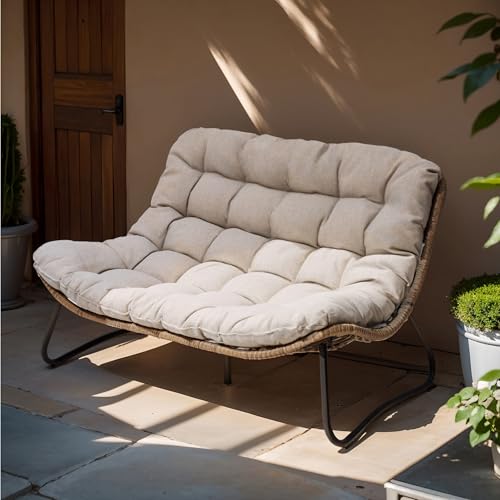
Boho Outdoor Furniture: The Complete Style & Shopping Guide
Create a relaxed, free-spirited patio with rattan, macrame, layered textiles, and low-slung seating. This guide breaks down the boho look, the materials that work outdoors, and the criteria that separate durable pieces from fleeting trends.
START WITH THE BUYING CRITERIAWhy this guide exists: Most shoppers arrive here already knowing they want a bohemian patio. What they still need is clarity — which materials survive the weather, how to mix patterns without visual chaos, and which seating heights work for their space. Everything below is written to close that gap so you can choose with confidence.
What Actually Defines Boho Outdoor Furniture
Bohemian style is often described as "eclectic," but that word hides the real structure underneath. A boho patio works because of a consistent set of choices: natural materials, low visual weight, layered texture, and a deliberate absence of rigid symmetry. Understanding those pillars prevents the look from collapsing into clutter.
The palette typically leans on warm neutrals — sand, clay, terracotta, olive — punctuated with saturated accents such as jewel-toned cushions or hand-painted ceramics. Furniture tends to sit low, and seating is arranged in loose conversation clusters rather than strict rows. Textiles do heavy lifting: throws, floor cushions, and fringed pillows soften hard surfaces and introduce the handcrafted feel that defines the style.
If you want to see how boho sits alongside other design directions, our bohemian patio design guide covers the broader aesthetic, while our patio styles overview helps you compare boho against coastal, rustic, and minimalist approaches.
The Materials That Make Boho Work Outdoors
Bohemian interiors rely on materials that are beautiful but fragile — paper lanterns, unsealed wood, loose linen. Outdoors, those same materials need weather-aware equivalents. The following materials deliver the boho look while remaining practical for exposed patios and covered porches alike.
Rattan, Wicker, and Cane
Natural rattan is the signature boho material, and its woven texture is what most people picture when they imagine the style. For outdoor use, look for resin-wicker or synthetic rattan that mimics the weave while resisting moisture and UV fading. Genuine rattan works well on covered porches but should be brought inside during sustained rain. Our wicker and rattan guide explains how the two differ and how to maintain each.
Solid Wood
Teak, acacia, and eucalyptus bring warmth and age gracefully when properly sealed. Wooden benches, low tables, and slatted chairs anchor a boho layout. If you prefer darker tones, a black outdoor bench can serve as a grounding element against lighter textiles. Wood requires seasonal sealing — our wood sealant guide covers the process.
Wrought Iron and Metal Accents
Slim metal frames provide contrast to soft textiles. A wrought iron coffee table with a glass top keeps a boho seating area visually light, while metal chaise frames pair well with layered throws. Metal does need rust protection in humid climates; our rust removal guide explains how to handle minor corrosion early.
Textiles and Macrame
Outdoor-rated fabrics are essential. Solution-dyed acrylics resist fading and mildew, and they hold pattern well — which matters because boho styling leans on stripes, block prints, and geometric weaves. Macrame hammocks and hanging chairs add movement and softness, but confirm that the cord is synthetic or treated for outdoor exposure.
Seating That Fits the Boho Layout
Boho seating favors low profiles and flexible arrangements. Instead of a single matching set, the style works best when you combine two or three seating types that share a material or color thread.
Low Lounge and Floor-Level Seating
Floor cushions, poufs, and low platform sofas create the casual, conversational feel that defines boho patios. A canopy daybed doubles as a focal point and a shaded retreat, and it pairs naturally with a hammock for a layered relaxation zone.
Statement Chairs
One or two statement chairs — a black rocking chair or a woven cane dining chair — add character without overwhelming the space. Keep the rest of the seating quieter so the statement pieces read as intentional rather than random.
Dining in a Boho Key
For dining, a round table softens the geometry of a patio and encourages conversation. A round outdoor dining table for six works well in boho layouts, especially when paired with mixed chairs rather than a uniform set. If you need shade overhead, a cantilever umbrella with solar lights extends the usable evening hours without requiring a permanent structure.
Textiles, Rugs, and Decorative Layers
Textiles are where boho styling becomes unmistakable. The goal is layering, not accumulation — each layer should add texture, color, or function.
- Outdoor rugs: A flat-weave or recycled-plastic rug defines the seating zone and makes the space feel like a room. Our outdoor rug guide covers materials that handle rain and sun.
- Cushions and pillows: Mix patterns within a tight palette. A striped outdoor seat cushion can anchor a neutral chair, while solid fringed pillows add texture without competing.
- Throws and fabric draping: Drape an outdoor throw over a chair back or daybed rail to soften hard lines. Store textiles during heavy rain to extend their life.
- Planters and greenery: Group planters at varying heights — a blue and white garden stool can double as a plant stand and a side table. Our outdoor planter guide explains drainage and material choices.
- Lighting: String lights, lanterns, and solar stakes create the warm evening glow that boho patios depend on. Our outdoor lighting guide covers layering strategies.
Shopping Criteria: How to Judge Boho Outdoor Furniture
Because boho style spans a wide range of quality, it helps to classify pieces by construction tier rather than by brand or appearance. The table below describes what each tier typically delivers so you can match a piece to your intended use and climate.
| Tier | Typical Construction | Best For |
|---|---|---|
| Entry-level | Powder-coated steel or lightweight resin frames; printed polyester cushions; simplified weaving patterns | Seasonal setups, renters, covered porches with limited sun exposure |
| Mid-range | Aluminum frames with resin wicker; solution-dyed acrylic cushions; reinforced joinery | Year-round patios in moderate climates; households that want durability without flagship-tier construction |
| Premium | Hand-woven synthetic rattan over powder-coated aluminum; high-density foam cushions with removable covers; rust-proof hardware | Exposed patios, high-use family spaces, locations with strong sun and humidity |
| Luxury | Solid teak or grade-A rattan frames; custom outdoor fabrics; artisan weaving; commercial-grade joinery | Statement pieces intended as long-term investments; covered outdoor rooms |
Within each tier, prioritise the elements that fail first in outdoor conditions: the frame finish, the cushion fabric, and the joinery. A mid-range piece with a well-sealed aluminum frame and solution-dyed cushions will typically outlast an entry-level piece with decorative styling but weaker weather protection. Our buying guides hub expands on these criteria across furniture categories.
Layout and Styling Principles
Boho patios feel relaxed because they avoid rigid geometry — but that does not mean they are unplanned. The most successful layouts follow a few quiet rules:
- Anchor with a rug. A rug defines the conversation zone and gives loose furniture a visual boundary.
- Vary heights. Combine a low table, a standard-height side table, and a taller planter to create visual rhythm. A burlwood side table adds organic texture while serving a practical function.
- Mix materials, repeat colors. Three materials (wood, woven fiber, metal) is usually enough; repeat two or three colors across the space to tie them together.
- Leave breathing room. Resist filling every corner. Negative space is what makes the layered elements read as intentional.
- Layer lighting at three heights. Overhead string lights, mid-level lanterns, and low solar stakes create depth after sunset.
If your space is compact, our small patio design guide explains how to apply these principles without crowding. For a broader material comparison before you commit, see our wood furniture care guide and metal vs aluminum comparison.
Caring for Boho Outdoor Furniture
Boho materials reward light, consistent maintenance. Woven furniture should be brushed and rinsed seasonally to prevent debris from trapping moisture. Cushions should be aired and stored during prolonged rain. Wood frames need resealing annually, and metal frames benefit from a quick inspection for finish chips before rust develops. Our weatherproofing guide and furniture cleaner guide cover the details, and our patio furniture cover guide explains when covers help and when they can trap humidity.
Quick Pre-Purchase Checklist
- Confirm the frame material and finish are rated for your climate.
- Check that cushion covers are removable and outdoor-rated.
- Measure your space before choosing a round versus rectangular table.
- Decide whether the piece will live under cover or fully exposed.
- Plan storage for textiles during off-season or heavy rain.
- Read the warranty and return terms before ordering.
Frequently Asked Questions
Is boho outdoor furniture weather-resistant?
It can be, provided you choose the right materials. Resin wicker, powder-coated aluminum, teak, and solution-dyed acrylic fabrics are all suitable for outdoor exposure. Natural rattan and untreated wood are better suited to covered porches.
How do I mix patterns without creating visual clutter?
Limit yourself to two or three patterns and keep them within a shared palette. Pair one large-scale print with one small-scale texture, and let solid colors do the connecting work.
Can boho style work on a small patio?
Yes. Focus on low-profile seating, a single anchor rug, and vertical layering through planters and hanging elements. Avoid overcrowding the floor area.
What is the difference between boho and coastal style?
Coastal style leans on crisp whites, blues, and nautical references. Boho emphasizes warm neutrals, layered textiles, and a mix of natural materials with a more handcrafted, global feel. Our coastal patio guide covers the contrast in detail.
How often should I reseal wooden boho furniture?
Once a year is typical for exposed wood in most climates, and more frequently in areas with intense sun or heavy rain. Inspect the finish at the start of each season.