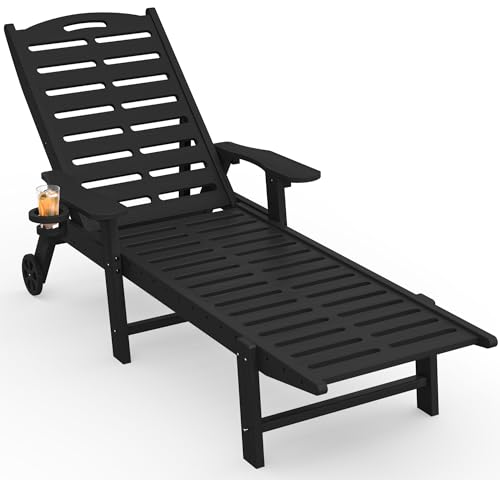
Black Wrought Iron Chaise Lounge with Wheels: The Complete Buyer's Guide
Everything you need to know about selecting, using, and caring for a wheeled wrought iron chaise lounge — from frame construction and finish quality to cushion pairing and long-term maintenance.
Explore Top PicksQuick summary: A black wrought iron chaise lounge with wheels combines old-world craftsmanship with modern practicality. The iron frame delivers stability and a timeless silhouette, while the wheels let you reposition a heavy piece with minimal effort. This guide walks you through every decision point — frame gauge, finish, wheel quality, cushion compatibility, and care — so you can choose with confidence. If you are still mapping out your entire outdoor setup, our black outdoor furniture collection guide is a helpful companion read.
Why Choose a Black Wrought Iron Chaise Lounge with Wheels?
A chaise lounge is the centerpiece of relaxation in any outdoor space. When it is built from wrought iron and fitted with wheels, it solves two common frustrations: furniture that feels flimsy and furniture that is too heavy to move. Here is why this combination works so well.
Exceptional Stability
Wrought iron is dense and heavy. That weight translates into a low center of gravity, so the lounge stays planted even on breezy days and uneven patio surfaces.
Timeless Aesthetic
The black finish and slender scrollwork suit traditional, cottage, coastal, and even modern-industrial settings. It is a design that does not date.
Effortless Mobility
Wheels on the rear legs let you tilt and roll the lounge to follow the shade or move it poolside — no lifting required.
Long Service Life
With a proper rust-resistant coating and basic care, a wrought iron frame can last for many seasons and often becomes a heirloom piece.
Compared with resin or aluminum loungers, wrought iron feels more substantial and offers a classic character that is hard to replicate. If you appreciate matching materials across your patio, you may also enjoy our guide to cast iron garden furniture, which covers complementary pieces in a similar aesthetic.
Anatomy of a Quality Wrought Iron Chaise Lounge
Not all iron loungers are created equal. Understanding the key components helps you separate a solid build from a decorative but fragile one.
Frame Construction
Look for a frame made from solid iron rod or tube rather than thin hollow sections. Joints should be welded, not merely bolted, at high-stress points such as the backrest hinge and leg connections. A well-built frame feels rigid with no creaking or flex when you press on the armrests.
Finish and Coating
The black finish is more than cosmetic — it is the primary defense against rust. A quality piece uses a multi-step finish: a rust-inhibiting primer followed by a powder-coated or baked-enamel topcoat. The surface should be smooth and uniform, with no thin spots around welds or sharp edges. Matte and satin finishes tend to hide minor wear better than high gloss.
Backrest Adjustment
Most chaise lounges offer multiple recline positions. Check the mechanism: a notched ratchet bar is simple and reliable, while a friction hinge offers infinite adjustment but can loosen over time. Test the transition between upright, reading, and fully flat positions to ensure it locks securely.
Armrests and Details
Comfortable armrests, smooth scroll details, and rounded edges distinguish a refined piece from a basic one. Some models include a small side tray or cup holder integrated into the frame — a practical touch for long afternoons outdoors.
Wheel Types and Mobility: What to Look For
The wheels are the feature that makes a heavy iron lounge practical. Here is what matters.
Wheel Placement
Most designs place two wheels at the foot end and two fixed feet at the head end. You lift the head end slightly and roll the lounge — a simple lever system that works well on flat surfaces. Some premium models use four casters, which roll in any direction but can be less stable on soft ground.
Wheel Material
Hard rubber or polyurethane wheels roll smoothly on concrete, stone, and decking without scratching. Metal wheels look authentic but can mark surfaces and are noisier. Avoid plastic wheels on a heavy iron frame — they wear quickly under load.
Surface Compatibility
Large-diameter wheels handle small thresholds and uneven paving better than small ones. If your patio is gravel or soft turf, look for wider wheels that resist sinking. On smooth surfaces, even compact wheels glide easily. For more patio surface inspiration, see our notes on brick patio and blue stone patio layouts.
Tip: Test the Roll Before You Commit
If you can view the lounge in person, tilt it and roll it a few feet. A well-balanced piece should track straight with light effort. If it wobbles or pulls to one side, the wheel axles or frame alignment may be off.
Comfort and Cushion Pairing
An iron frame is supportive but unforgiving without cushions. The right cushion set transforms the lounge into a genuinely comfortable place to spend hours.
Cushion Fit and Attachment
Choose cushions sized specifically for chaise lounges — usually a long seat pad plus a smaller head cushion. Ties, straps, or a non-slip backing keep cushions from sliding when you recline. A contoured seat pad with a slight wedge shape reduces pressure on the lower back.
Fabric and Filling
Look for solution-dyed acrylic or olefin fabrics rated for outdoor use. Quick-dry foam filling resists mildew and rebounds after rain. Removable, washable covers are a practical bonus.
Color Direction
Black iron is a strong neutral, so almost any cushion color works. Crisp white creates a classic resort look, while blue and white striped lounge chair cushions add a nautical feel. Earthy tones and textured neutrals keep the look grounded. If you want to coordinate across seating, our guide to black seat cushions for outdoor furniture explores monochrome options.
For a cohesive seating area, pair the chaise with complementary pieces such as a black wrought iron and glass coffee table or a wrought iron coffee table with glass top to anchor the space.
Quality Tiers Compared
Chaise lounges in this category fall into recognizable tiers. Use this comparison to align your expectations with construction quality — no numbers needed.
| Tier | Best For | Typical Construction | Wheel Quality |
|---|---|---|---|
| Entry-level | Occasional use, covered porches, seasonal setups | Lighter iron tube, simpler welds, single-coat finish | Basic plastic or small rubber wheels |
| Mid-range | Regular family use, full-sun patios, poolside | Solid iron rod, reinforced joints, powder-coated finish | Hard rubber wheels with metal axles |
| Premium | Daily use, exposed locations, design-focused spaces | Heavy-gauge iron, hand-finished welds, multi-layer coating | Large polyurethane wheels, smooth bearings |
| Luxury / commercial-grade | Hospitality settings, year-round outdoor use | Forged details, marine-grade rust protection, precision joints | Heavy-duty casters rated for constant rolling |
Mid-range models generally offer the best balance for most homeowners: the frame is substantial enough to stay put in wind, and the finish holds up over multiple seasons. Premium and commercial-grade pieces make sense when the lounge will be used daily or left fully exposed to the elements. For more on matching tiers across your patio, see our buying guides hub.
Placement and Styling Ideas
A wheeled chaise lounge is versatile by design. Here are placement ideas that make the most of its mobility and silhouette.
Poolside Pairing
Place two lounges side by side with a small side table between them. The wheels make it easy to angle the pair toward the sun and roll them back under shade when the afternoon heat peaks. A cantilever umbrella with a rolling base pairs naturally with wheeled furniture.
Garden Reading Nook
Set a single lounge beneath a tree or beside a cast iron garden table used as a book rest. The black iron frame recedes into greenery, letting the planting take center stage.
Deck and Balcony Use
On smaller decks, a single chaise with a slim profile keeps the floor plan open. Roll it against the railing when not in use. If your space is compact, browse our small patio ideas for layout strategies.
Coordinated Seating Groups
Anchor the chaise with a matching black outdoor bench or a black rocking chair to create a relaxed conversation zone. Keep cushion colors consistent across pieces for a pulled-together look.
Maintenance and Seasonal Care
Wrought iron is durable, but a little routine care goes a long way toward preserving the finish and smooth rolling action.
Routine Cleaning
- Wipe the frame with a damp cloth and mild soap every few weeks during the season.
- Dry thoroughly after rain or cleaning to prevent water pooling in joints.
- Avoid abrasive pads or harsh chemicals that can dull the coating.
Finish Touch-Ups
Inspect the frame at the start of each season. Small chips or scratches should be touched up with matching black enamel to prevent rust from starting. Pay attention to welds and the area around the wheel mounts, where wear concentrates.
Wheel Care
Clear hair, grit, and debris from the wheel axles periodically. A drop of lubricant on metal axles keeps rolling smooth. If a wheel develops a flat spot or cracks, replace it promptly to avoid strain on the frame.
Seasonal Storage
In regions with harsh winters, move the lounge to a covered area or indoors. If it must stay outside, use a breathable cover that allows moisture to escape. Cushions should always be stored separately in dry conditions. For broader seasonal guidance, see our winter storage guide and weatherproofing guide.
What to Check Before You Buy
Use this checklist to evaluate any black wrought iron chaise lounge with wheels you are considering.
- Frame weight and rigidity: A substantial frame should feel solid when you press on the armrests; avoid models that flex or creak.
- Finish uniformity: Look for consistent coating, especially around welds and wheel mounts.
- Recline mechanism: Confirm the backrest locks securely in every position and transitions smoothly.
- Wheel function: Roll the lounge if possible; wheels should track straight and turn freely.
- Cushion compatibility: Check whether cushions are included or sold separately, and confirm the sizing.
- Surface suitability: Match wheel size and material to your patio surface — concrete, stone, decking, or gravel.
- Warranty and replacement parts: A brand that offers frame warranties and replacement wheels signals long-term support.
Pairing With Your Broader Patio Plan
Before finalizing, think about how the chaise fits your overall design. A black iron lounge works beautifully alongside black outdoor furniture sets, and it can be softened with black furniture with white cushions for a crisp contrast. If you prefer a warmer palette, black furniture with red cushions adds energy.
Frequently Asked Questions
Is wrought iron suitable for outdoor chaise lounges?
Yes. Wrought iron is heavy, stable, and highly durable when finished with a rust-resistant coating. It handles sun, rain, and wind well, and its weight keeps the lounge from tipping or blowing over.
Why do wheels matter on a chaise lounge?
Wheels let you reposition a heavy iron lounge without lifting it. This is especially useful for tracking shade throughout the day, moving the lounge to poolside, or storing it during storms.
How should I care for a black wrought iron chaise lounge?
Wipe the frame with mild soap and water, dry it after rain, touch up any chips in the coating promptly, and lubricate the wheels periodically. In harsh winters, consider indoor or covered storage.
What cushions work best with an iron chaise lounge?
Look for weather-resistant, quick-dry cushions with ties or straps to keep them in place. Solid neutral tones soften the industrial look, while bold patterns add personality. Store cushions when not in use to extend their lifespan.
Ready to Compare Your Options?
Browse our curated selection of black wrought iron chaise lounges with wheels and find the right fit for your patio, poolside, or garden retreat.
View Recommended Products