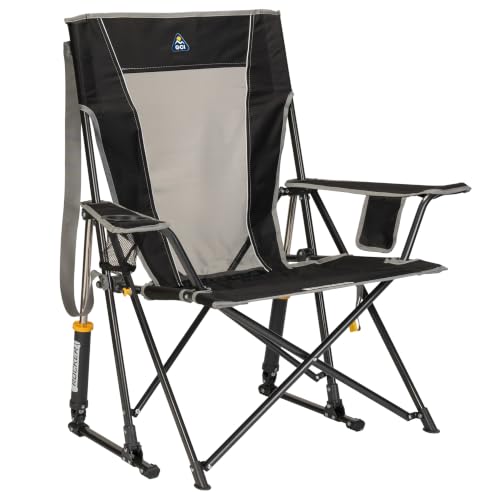
Comfort Rocker Chair: The Ultimate Buying Guide
Discover how to choose a comfort rocker chair that blends soothing motion with lasting support. From frame materials to cushioning systems, this guide covers everything you need to make a confident, informed purchase.
Explore Top PicksWhy a comfort rocker chair deserves your attention: A rocking chair is more than a piece of furniture — it is an invitation to slow down. Whether you are watching the sunset from your porch, reading on a balcony, or unwinding beside a fire pit, the gentle rhythm of a well-built rocker chair transforms ordinary moments into restorative ones. This guide walks you through the key considerations — motion mechanics, ergonomic design, weather resistance, and material quality — so you can select a comfort rocker chair that fits your outdoor space and lifestyle.
Why Choose a Comfort Rocker Chair for Your Outdoor Space?
Unlike static patio seating, a comfort rocker chair introduces therapeutic motion that eases tension and promotes relaxation. The gentle back-and-forth rhythm has been linked to reduced stress and improved mood — a benefit that resonates with homeowners seeking a genuine retreat in their backyard. Beyond wellness, rocker chairs add visual character to porches, decks, and garden corners, bridging classic charm with modern ergonomic engineering.
Ergonomic Support
Premium comfort rocker chairs feature contoured backrests, lumbar support, and seat depths designed for extended sitting. This ergonomic focus distinguishes them from basic rocking chairs and makes them suitable for hours of use.
Smooth Gliding Motion
High-quality rockers use precision-engineered gliders or curved rocker rails that deliver a fluid, whisper-quiet motion. Mid-tier and top-tier models often incorporate ball-bearing mechanisms for an exceptionally smooth experience.
Weather Resilience
Outdoor comfort rocker chairs are built with weather-resistant coatings, rust-proof hardware, and UV-stable fabrics. This ensures the chair retains its comfort and appearance across seasons, making it a worthwhile long-term investment.
Versatile Placement
From compact balconies to expansive patios, comfort rocker chairs adapt to diverse settings. Many models pair well with side tables, ottomans, and fire pit arrangements — see our guide to chairs for fire pit setups for complementary ideas.
Types of Comfort Rocker Chairs
Understanding the distinct motion types helps you match a rocker chair to your space and preferences. Each category offers a different feel, footprint, and maintenance profile.
Traditional Rocker
Curved rails beneath the legs produce the familiar rocking motion. These models often feature wooden frames and timeless silhouettes. Entry-level options are straightforward; premium versions use kiln-dried hardwoods and reinforced joinery.
Glider Rocker
Horizontal gliding tracks replace curved rails, delivering a smoother, more controlled motion. Gliders are ideal for tighter spaces and often include locking mechanisms. Mid-range and high-end tier gliders offer the most refined movement.
Swivel Rocker
Combining a 360-degree swivel with rocking capability, these chairs offer maximum flexibility for social settings. Top-tier swivel rockers use sealed bearing systems for longevity and silky rotation.
Frame Materials: Durability & Maintenance
The frame dictates the chair's lifespan, weight, and weather performance. Choose a material that aligns with your climate and maintenance preferences.
- Aluminum: Lightweight, rust-proof, and exceptionally durable. Aluminum frames are a top-tier choice for coastal and humid climates. Powder-coated finishes add scratch resistance and color stability.
- High-Grade Steel: Heavier than aluminum but highly robust. Look for galvanized or rust-proof finishes. Steel frames excel in windy areas where weight provides stability.
- Solid Wood (Teak, Cedar, Eucalyptus): Naturally weather-resistant hardwoods bring warmth and classic appeal. Teak requires minimal care; cedar offers aromatic charm. Annual sealing extends longevity. For related styles, explore our cedar Adirondack chairs guide.
- Composite / HDPE: Engineered materials mimic wood grain while resisting moisture, insects, and fading. Composite frames are virtually maintenance-free — an efficient long-term investment for busy households.
- Wicker & Rattan (Synthetic): All-weather synthetic wicker over aluminum frames delivers a textured, resort-like aesthetic. High-end tier synthetic wicker resists UV degradation and color fading.
Buying Checklist: What to Evaluate Before You Decide
- Seat Height & Depth: Ensure your feet rest flat on the ground and the seat depth supports your thighs without pressure points. Standard seat heights range from 17 to 19 inches.
- Weight Capacity: Check the manufacturer's rated capacity. Heavy-duty comfort rocker chairs often support higher weights with reinforced frames and wider seats.
- Cushion Quality: High-density foam with quick-dry cores resists moisture and retains shape. Removable, washable covers simplify maintenance. See our guide to comfortable outdoor furniture with cushions for cushion selection tips.
- Motion Mechanism: Test the glide or rock before purchasing. Sealed bearings and smooth tracks indicate quality. Avoid mechanisms that squeak or catch.
- Armrests: Padded or contoured armrests enhance comfort and ease getting in and out. Consider width and height relative to your body.
- Weather Resistance: Verify UV-resistant fabrics, rust-proof hardware, and drainage features. For comprehensive protection advice, see our weatherproofing guide.
- Footprint & Placement: Measure your space. Rockers need clearance behind and in front. Compact models suit balconies — browse our chair for balcony recommendations.
- Assembly & Portability: Some models arrive fully assembled; others require basic tools. Consider weight if you plan to move the chair frequently.
Comfort Rocker Chair Comparison by Tier
Use this tier-based comparison to set expectations. Each tier represents a relative market position, not an absolute figure.
| Tier | Frame Materials | Cushioning | Motion Quality | Best For |
|---|---|---|---|---|
| Entry-Level | Basic steel or resin | Standard foam, attached covers | Functional rock or glide | Occasional use, covered porches |
| Mid-Range | Powder-coated aluminum or composite | High-density foam, removable covers | Smooth glide with sealed mechanism | Regular use, full sun exposure |
| Premium | Marine-grade aluminum, teak, or high-grade composite | Quick-dry foam, UV-stable premium fabrics | Ball-bearing glide, whisper-quiet | Daily use, coastal or humid climates |
| Luxury | Architectural-grade materials, custom finishes | Multi-layer ergonomic cushion systems | Precision-engineered swivel + glide | Year-round exposure, design-forward spaces |
Placement & Styling Ideas
A comfort rocker chair works beautifully as a standalone accent or paired with complementary pieces. Consider these placement strategies:
- Porch Pairing: Place two rockers side by side with a small side table between them for a classic, conversational porch setup.
- Fire Pit Circle: Integrate a rocker into your fire pit seating arrangement. Our fire pit chairs guide offers layout inspiration.
- Garden Retreat: Position a rocker beneath a pergola or near a water feature to create a meditative nook.
- Balcony Compact: Choose a glider-style rocker with a smaller footprint for balconies. See comfy outdoor chairs for small spaces.
- Mix with Loungers: Combine a rocker with comfortable lounge chairs to diversify seating options in larger spaces.
Frequently Asked Questions
What makes a comfort rocker chair different from a standard rocking chair?
A comfort rocker chair is engineered with enhanced ergonomics, deeper cushioning, smoother gliding mechanisms, and refined back support compared to a basic rocking chair. The emphasis is on sustained comfort for extended lounging rather than just the novelty of motion.
Which frame material is best for an outdoor comfort rocker chair?
Aluminum and high-grade steel are top-tier choices for weather resistance and durability. Solid wood such as teak or cedar offers a classic aesthetic with natural weather resilience. Composite and HDPE materials deliver excellent long-term performance with minimal maintenance.
How do I maintain a comfort rocker chair to extend its lifespan?
Clean the frame seasonally with mild soap and water, treat wooden components with appropriate sealants annually, store cushions in a dry area when not in use, and use a fitted cover during harsh weather. Regular inspection of joints and fasteners prevents premature wear. Our outdoor care section offers detailed maintenance routines.
Can a comfort rocker chair be used indoors?
Many comfort rocker chairs are versatile enough for indoor use, particularly those with upholstered cushions and refined frame finishes. However, outdoor-specific models may have drainage features and weather-resistant coatings that are unnecessary indoors. Check the manufacturer's recommendations for dual-use suitability.
Ready to Find Your Perfect Comfort Rocker Chair?
Browse our curated selection of top-tier comfort rocker chairs, hand-picked for ergonomic excellence, weather resilience, and enduring style. Your ideal outdoor retreat starts here.
View Recommended ModelsExplore Related Outdoor Seating Guides
Broaden your outdoor seating knowledge with these related resources: comfortable patio chairs, comfortable outdoor chairs without cushions, comfy outdoor chairs, chair that swings, chair hammock, classic Adirondack chair, composite Adirondack chairs, chair and a half glider with ottoman, children's outdoor chairs, and chairs for outside.