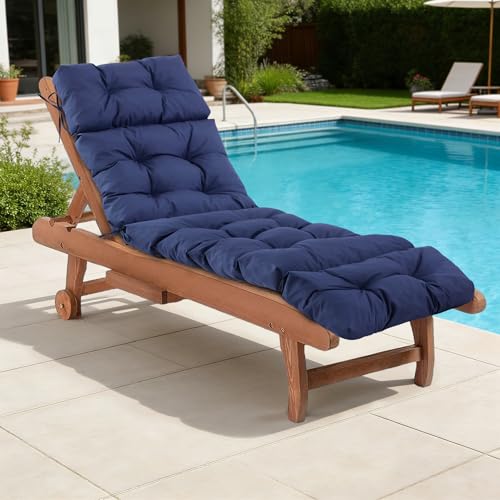
Cushioned Outdoor Chaise Lounge: The Complete Buyer's Guide
Everything you need to know about choosing a comfortable, durable, and stylish cushioned chaise lounge for your patio, poolside, or garden retreat.
Why a cushioned chaise lounge matters: A chaise lounge is more than outdoor furniture — it is an invitation to slow down. Unlike a standard patio chair, a cushioned chaise lounge supports the full body, encourages proper posture during long reading sessions, and transforms a hard deck or concrete patio into a genuinely restful retreat. This guide walks you through cushion construction, frame materials, adjustability, weather resistance, and the details that separate a long-term investment from a short-lived purchase.
What Exactly Is a Cushioned Outdoor Chaise Lounge?
A chaise lounge is a long reclining chair designed to support the legs and back simultaneously, allowing you to sit upright, recline partially, or lie nearly flat. The "cushioned" descriptor means the seat and backrest are padded with removable or integrated upholstery rather than being a bare sling or solid surface. This padding is what makes hours of lounging genuinely comfortable instead of merely tolerable.
Most models sold today fall into one of two families: single-piece loungers (fixed or multi-position backrests) and adjustable loungers with a hinged back that locks into several recline angles. Some high-end designs add a flip-up leg section or a pop-up headrest. If you are exploring broader patio seating options, our lounge chairs guide covers the wider category, while this page focuses specifically on the cushioned chaise format.
Cushion Construction: The Heart of Comfort
The cushion determines how the lounger feels on day one and how it holds up after two summers of sun, rain, and sunscreen. Pay close attention to three things: fill material, fabric, and attachment method.
Fill Materials
Entry-level cushions often use a single block of standard foam, which compresses quickly. Mid-range models typically layer a denser support foam with a softer top layer for a balanced feel. Top-tier cushions may use quick-dry reticulated foam that allows water to pass through, or a wrapped foam core with a fiber batting for a plush surface that recovers its shape.
Fabric Selection
Solution-dyed acrylic and olefin are the two dominant outdoor upholstery families. Solution-dyed acrylic holds color exceptionally well against UV exposure. Olefin is highly water-resistant and quick to dry. Look for fabrics described as mold-resistant and fade-resistant, and check whether the cover is removable and machine washable.
Attachment Method
Cushions secured with ties, straps, or a non-slip backing stay in place during windy days and when you shift position. Integrated cushion-to-frame designs look cleaner but are harder to replace when the padding eventually wears. Removable covers extend the practical lifespan of the entire lounger.
Cushion Thickness
Thicker is not automatically better. A 3-inch cushion with quality high-density foam usually outperforms a 5-inch cushion filled with low-density material. Focus on density and layering rather than raw thickness, especially if the lounger will be used daily.
Frame Materials: Durability and Weight Considerations
The frame determines how stable the lounger feels, how easy it is to move, and how long it survives seasonal weather. Each material carries trade-offs.
| Frame Material | Best For | Key Characteristics |
|---|---|---|
| Powder-Coated Aluminum | Year-round outdoor use; poolside settings | Lightweight, rust-resistant, easy to reposition. A strong choice for humid climates and coastal areas. |
| Teak and Hardwood | Design-focused patios; covered porches | Warm natural appearance, heavy and stable. Requires periodic oiling to maintain finish and prevent drying. |
| Wicker and Rattan (Resin or Natural) | Coastal and bohemian themes; shaded areas | Textured, visually rich. Resin wicker is more weather-tolerant than natural rattan and easier to clean. |
| Steel with Rust-Proof Finish | High-traffic family patios | Very sturdy and resistant to tipping. Heavier to move; inspect welds and finish quality carefully. |
| Resin and Plastic Composite | Compact balconies and rental spaces | Lightweight and moisture-proof. Less premium in feel; often paired with thinner cushions. |
If weight and portability are priorities, aluminum is generally the most practical option. If visual warmth and a built-in look matter more, hardwood frames reward proper maintenance. For a deeper comparison of upholstered patio seating in general, see our cushioned outdoor chairs overview.
Adjustability: Fixed, Multi-Position, or Fully Reclining
Adjustability is where chaise lounges differentiate themselves most clearly. Consider how you actually plan to use the lounger before choosing a mechanism.
- Fixed-back loungers: Set at a single angle, usually a gentle recline. Simple, sturdy, and often the most stable option for families with children.
- Multi-position backrests: Typically offer four to six locking angles, from upright reading to nearly flat. A ratchet or notched-hinge mechanism is common and reliable.
- Fully reclining models: Allow a nearly horizontal position. These add comfort for sunbathing but add mechanical complexity and weight.
- Flip-up leg sections: Support the calves in an elevated position. A premium feature worth considering if you spend long stretches outdoors.
Test the hinge mechanism mentally before buying: metal ratchet systems tend to last longer than plastic friction hinges, and a locking pin design is generally more secure than a simple friction lock.
Weather Resistance and Seasonal Care
A cushioned chaise lounge spends most of its life outdoors, so weather resistance is not optional. Focus on the following:
- UV-stable fabric: Solution-dyed acrylic resists fading far better than printed polyester.
- Rust-proof hardware: Stainless steel or aluminum fasteners prevent rust stains on cushions and decks.
- Drainage: Cushions with drainage channels or mesh undersides dry faster after rain.
- Cover strategy: A fitted cover protects the cushions during extended rain or off-season storage. Our winter covering guide explains how to protect upholstered pieces through cold months.
- Storage: Removable cushions stored indoors during extreme weather dramatically extend their life. See cushion storage solutions for practical options.
Ready to Compare Cushioned Chaise Lounges?
Our curated selection highlights models across entry-level, mid-range, and premium tiers so you can match frame material, cushion quality, and adjustability to your actual outdoor routine.
Explore Recommended OptionsUnderstanding Quality Tiers
Because outdoor furniture quality varies enormously, it helps to think in terms of tiers rather than brands. The following framework applies consistently across the category.
| Tier | Typical Characteristics | Best For |
|---|---|---|
| Entry-Level | Lighter frames, single-density foam cushions, simpler hinge mechanisms, shorter warranties. | Occasional use, balconies, seasonal apartment patios, or a first outdoor setup. |
| Mid-Range | Aluminum or hardwood frames, layered foam cushions, multi-position backrests, better fabric treatments. | Daily summer use, family patios, and buyers who want a balance of comfort and durability. |
| Premium | Quick-dry high-density cushions, precision hinges, fully welded frames, longer warranties, refined finishes. | Full-time outdoor living, poolside installations, and long-term investment in comfort. |
| Luxury | Custom or designer upholstery, teak or marine-grade aluminum, integrated side tables, near-flat recline. | Design-led patios, resort-style backyards, and buyers who prioritize craftsmanship. |
As a rule of thumb, mid-range models usually offer the smoothest combination of comfort and longevity for most households. Entry-level loungers make sense when portability or occasional use is the priority, while premium and luxury tiers reward buyers who use their outdoor space almost daily.
Sizing and Placement: Fit Before You Commit
A chaise lounge is a long piece of furniture, typically between 70 and 80 inches front to back when fully extended. Before buying, measure the intended space and account for recline clearance — the back needs room to lower without hitting a wall, railing, or planter.
- Poolside: Choose quick-dry cushions and rust-proof frames; place loungers parallel to the water edge for easy access.
- Covered patio: Hardwood or wicker frames work well here, and cushions last longer under shade.
- Small balcony: Consider a narrower single-position lounger or a folding model that stores vertically.
- Garden lawn: Heavier frames prevent tipping on uneven ground, but check that the base does not sink into soft turf.
If your patio layout is still taking shape, our small patio ideas guide explains how to arrange loungers alongside dining and conversation zones without crowding the space.
Comfort and Ergonomics: What to Look For
Comfort is subjective, but several design details consistently matter:
- Seat depth and back height: Taller users need a longer back section; shorter users may find deep seats uncomfortable without a lumbar pillow.
- Armrests: Integrated armrests help when rising from a reclined position and provide a resting place for a book or drink.
- Headrest: A slightly raised or adjustable headrest supports the neck during reading.
- Cushion firmness: Medium-firm cushions are generally the most supportive for extended lounging; very soft cushions feel pleasant briefly but compress quickly.
- Ease of movement: Wheels or a lightweight frame make it easier to follow the shade across the day.
Cleaning and Maintenance Routine
A simple seasonal routine keeps a cushioned chaise lounge in good condition for years:
- Weekly: Brush off debris and wipe the frame with a damp cloth.
- Monthly: Remove cushion covers if washable and follow the manufacturer's cleaning instructions. Spot-clean stains promptly to prevent setting.
- Seasonally: Inspect hinges, tightening bolts, and check for rust spots on the frame. Treat hardwood frames with an appropriate oil.
- Before storage: Ensure cushions are completely dry before storing to prevent mildew. Store in a dry, ventilated space.
For a more detailed maintenance schedule that covers all outdoor upholstery, see our weatherproofing guide and outdoor cushion guide.
Frequently Asked Questions
Can cushioned chaise lounge cushions be left outside in the rain?
Brief rain is usually fine if the fabric and foam are quick-drying, but prolonged exposure invites mildew. Remove and store cushions during extended wet periods, or use a fitted cover.
How do I keep cushions from blowing away on windy days?
Choose cushions with ties, straps, or a non-slip underside. A weighted cushion clip or a cover during windy seasons also helps.
Is aluminum or wood better for a chaise lounge frame?
Aluminum is lighter and more rust-resistant, making it ideal for humid or coastal settings. Wood offers a warmer aesthetic and greater stability, but requires periodic maintenance. Both are solid choices depending on your climate and design preferences.
How many recline positions do I need?
For reading, a four-position backrest is typically sufficient. If you sunbathe or nap outdoors frequently, look for a model that reclines nearly flat.
Can I replace the cushions on an existing chaise lounge?
Yes, many brands offer replacement cushions. If the original manufacturer does not, custom cushions can be ordered. Our guide to custom outdoor cushions explains the measurement process.
What is the best way to store a chaise lounge during winter?
Clean and dry the frame, remove and store cushions indoors, and cover the frame with a breathable cover. If space allows, store the lounger upright in a shed or garage.
Continue Exploring
If you are building out a complete outdoor relaxation zone, these related guides will help you coordinate seating, storage, and shade:
- Covered chaise lounge options for shade-heavy patios.
- Cushion for outdoor furniture — general buying guidance.
- Deep seat lounge chair — for a more living-room feel outdoors.
- Cushioned patio chairs to pair alongside your lounger.
- Patio umbrellas for shade that moves with the sun.
- Outdoor rugs to define the lounging zone.