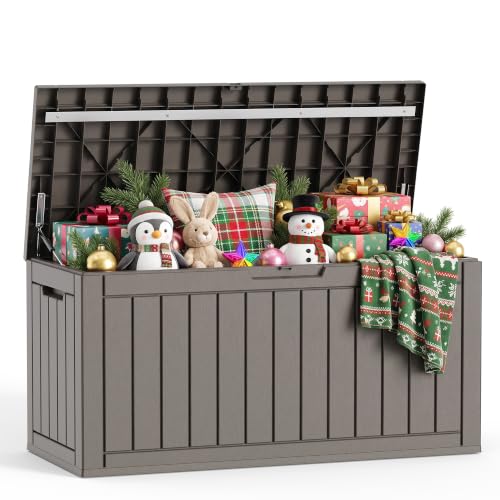
Deck Boxes on Sale: The Complete Outdoor Storage Buyer's Guide
Discover how to choose a weatherproof deck box that protects cushions, tools, and pool essentials — plus the features that separate a long-term investment from a short-lived purchase.
EXPLORE TOP PICKSWhy deck storage matters: A quality deck box is one of the most practical outdoor investments you can make. It shields cushions from rain and UV damage, keeps garden tools organized, and extends the lifespan of everything you store outside. This guide walks you through the materials, sizing, and design details that matter most — so you can shop with confidence.
What Is a Deck Box and Why Do You Need One?
A deck box — sometimes called an outdoor storage box or deck storage box — is a weather-resistant container designed to live on your deck, patio, or porch. It protects items from rain, snow, dust, and sun exposure while doubling as a functional surface for drinks, plants, or seating in some designs.
Homeowners typically use deck boxes to store:
- Outdoor cushions and throw pillows
- Pool toys, towels, and floats
- Garden tools, hoses, and small equipment
- Grilling accessories and charcoal
- Seasonal decor and string lights
Beyond storage, a well-chosen box keeps your outdoor space tidy and reduces the time you spend hauling items in and out of the house. For complementary storage solutions, explore our deck storage guide and deck box overview.
Key Factors to Evaluate Before You Buy
Shopping for a deck box is about matching the product to your climate, your items, and your deck's footprint. These are the factors that matter most:
1. Material and Weather Resistance
Resin and plastic boxes are the most common choice because they resist moisture and require minimal upkeep. Wooden models offer a natural look but need periodic sealing. Metal boxes provide security but demand a rust-proof finish in humid climates. For a deeper look at material care, see our guides on wood furniture care and metal vs aluminum.
2. Size and Capacity
Measure your deck space and your largest item before shopping. A box that is too small defeats the purpose, while an oversized box can overwhelm a compact deck. Consider vertical storage if floor space is limited.
3. Sealing and Ventilation
A watertight lid keeps rain out, but some ventilation helps prevent condensation and mildew. Look for gasketed lids and raised floors on high-end models.
4. Security and Locking
If you store valuable tools or equipment, choose a model with a lockable latch. This is especially important on ground-level decks.
5. Aesthetics and Integration
Your deck box should complement your existing furniture. Neutral tones blend easily, while wood-grain finishes pair well with natural settings. Explore deck furniture and contemporary furniture for style inspiration.
Understanding Quality Tiers
Deck boxes fall into clear quality tiers. Use these descriptors to compare models objectively without relying on fluctuating market figures:
Entry-Level Tier
Basic resin construction, simple latch, limited weather sealing. Suitable for light use and covered porches.
Mid-Range Tier
Thicker walls, gasketed lid, UV-stabilized resin or treated wood. A balanced choice for most homeowners.
Premium Tier
Reinforced frames, lockable latches, hydraulic hinges, and superior sealing. Built for exposed decks and heavy use.
Luxury / Commercial-Grade
Furniture-grade finishes, integrated seating, and near-watertight construction. Designed for long-term outdoor living.
Mid-range models usually offer the best balance of durability and refinement for typical residential decks, while premium and commercial-grade options justify their position through superior hardware and sealing.
Deck Box Types Compared
| Type | Best For | Key Strength |
|---|---|---|
| Resin / Plastic | Everyday cushion and toy storage | Moisture resistance and low maintenance |
| Wooden | Natural deck aesthetics | Blends with timber decks; customizable |
| Metal | Tool and equipment security | Strength and lockability |
| Bench-Style | Small decks needing dual function | Seating plus storage in one footprint |
| Deck Bench with Storage | Entertaining areas | Comfort and organization combined |
If seating is a priority, a deck bench with integrated storage may serve you better than a standalone box. For pure storage, a dedicated container is usually more efficient.
How to Choose the Right Size
Sizing is the most common source of buyer regret. Follow this simple process:
- Measure your largest item — stacked cushions, a folded umbrella, or a cooler.
- Add clearance for easy loading and lid operation.
- Map the footprint on your deck with tape to visualize the impact.
- Check lid clearance if the box sits against a wall or railing.
A good rule of thumb: choose a box that holds at least 20% more than your current storage needs to accommodate future additions.
Pre-Purchase Checklist
- Confirm the box is rated for outdoor use year-round
- Verify the lid seals against rain
- Check whether the latch is lockable
- Ensure assembly requirements match your comfort level
- Read warranty terms for weather-related damage
- Measure your deck space and doorways for delivery
Maintenance Tips to Extend Lifespan
Even the most durable deck box benefits from routine care. Rinse resin models seasonally, apply a UV-protective sealant to wood, and inspect metal latches for early signs of corrosion. During winter, consider covering patio furniture for winter and storing cushions indoors if the box is not fully watertight. Our weatherproofing guide and cushion storage solutions offer additional protection strategies.
Frequently Asked Questions
Are deck boxes fully waterproof?
Most are water-resistant rather than fully waterproof. Premium models with gasketed lids offer the best protection against driving rain. For maximum protection, store sensitive items in a secondary waterproof container inside the box.
Can a deck box double as seating?
Yes — bench-style and reinforced models are designed for seating. Check the manufacturer's weight rating before use and avoid models with thin lids.
What is the best material for humid climates?
Resin and UV-stabilized plastic perform best in humid conditions because they do not rot or rust. Wooden boxes require regular sealing, and metal boxes need a rust-proof coating.
How do I prevent mildew inside a deck box?
Ensure cushions are fully dry before storing, choose a model with ventilation, and place a moisture absorber inside during humid months.
Do deck boxes require assembly?
Many resin models snap together without tools, while wooden and metal boxes typically require basic assembly. Review instructions before purchase if assembly is a concern.
Ready to Organize Your Outdoor Space?
Explore our curated selection of deck boxes and compare features side by side to find the right fit for your deck.
VIEW RECOMMENDED OPTIONS