
Folding Camping Side Table: The Complete Buyer's Guide
Everything you need to choose a stable, durable, and genuinely portable side table for camping, picnics, and backyard lounging — from frame materials to folding mechanisms and load ratings.
Explore Top PicksWhy trust this guide: A folding camping side table is a small purchase with a big impact on outdoor comfort. The wrong table wobbles on grass, rusts after one season, or collapses under a coffee mug. This guide breaks down exactly what separates a dependable side table from a frustrating one, so you can buy once and use it for years.
What Is a Folding Camping Side Table?
A folding camping side table is a compact, portable table designed to be carried to campsites, picnics, festivals, tailgates, and backyard patios. It typically folds flat or into a slim bundle for transport and opens into a small tabletop — usually square, rectangular, or round — sized for drinks, snacks, books, lanterns, or a small stove. Unlike a full-size folding camping picnic table, a side table prioritizes portability and a footprint small enough to sit beside a camp chair.
These tables fill a specific gap in outdoor furniture. Full dining tables are too large to carry, while a lap tray or cooler lid offers no real stability. A dedicated side table gives you a level surface at the right height next to your folding camp chair, keeping drinks off the ground and gear organized. For campers who cook outdoors, it can serve as a prep station; for loungers, it becomes a stable spot for a book and a lantern.
Why a Dedicated Side Table Matters Outdoors
Balancing a drink on a chair arm or setting it in the dirt is a recipe for spills, insects, and lost items. A well-built side table solves several practical problems at once:
- Keeps essentials elevated: Drinks, phones, lanterns, and snacks stay off damp ground and away from bugs and moisture.
- Creates a stable surface: A proper tabletop is far more secure than a chair armrest or an uneven log.
- Organizes the campsite: A consistent spot for keys, headlamps, and cookware reduces clutter and lost gear.
- Supports cooking and prep: Heavier-duty models can hold a camp stove, cutting board, or coffee setup.
- Adapts to many settings: The same table works at a campsite, on a balcony, beside a folding beach chair, or next to a backyard fire pit seating area.
Types of Folding Camping Side Tables
Side tables come in several structural styles. Understanding the differences helps you match the table to how you actually camp.
1. Roll-Top Tables
Roll-top designs use an aluminum slat surface that rolls up around the frame legs. They are among the most portable options, folding into a slim cylinder that stores easily in a vehicle or pack. The slatted top drains rainwater well and stays cooler in direct sun than solid metal. The trade-off is that small items can tip on the slats, and the surface is less suited to cooking prep or writing.
2. Solid-Top Folding Tables
These use a one-piece tabletop — aluminum, high-density plastic, or composite — that folds in half on a hinge or detaches from the legs. Solid tops offer a flat, stable surface ideal for drinks, meals, and stoves. They tend to be slightly heavier and bulkier when folded than roll-top models, but the trade-off in usability is usually worth it for campers who cook or eat at the table.
3. X-Frame and Scissor-Frame Tables
X-frame and scissor-leg designs collapse by folding the legs inward, often with the tabletop folding flat against them. These are quick to set up and pack, and many include a carrying handle or shoulder strap. Stability depends on the locking mechanism and the width of the leg footprint; well-engineered scissor frames are surprisingly rigid.
4. Mesh-Top Tables
Mesh tabletops are lightweight and shed water and sand instantly. They work well for beach trips and sandy campsites but are less suitable for holding small items or food, since the mesh surface is uneven for cups and plates.
5. Folding Tables With Storage
Some side tables integrate a fabric storage compartment or mesh shelf beneath the top. This is useful for keeping utensils, small tools, or a book off the ground. These models are typically mid-tier in weight and suited to car camping and patio use rather than backpacking.
Frame and Tabletop Materials Explained
The material choices determine how long the table lasts, how much it weighs, and how well it handles weather.
| Material | Best For | Key Characteristics |
|---|---|---|
| Aluminum alloy frame | Backpacking and lightweight camping | Lightweight, naturally rust-resistant, good strength-to-weight ratio; can dent under heavy impact. |
| Powder-coated steel frame | Car camping and patio use | Heavy-duty and very stable; heavier to carry, but durable with a rust-resistant coating. |
| Aluminum slat top | Roll-top tables and warm climates | Drains water, stays cooler in sun, lightweight; small items can tip between slats. |
| High-density plastic top | Everyday camping and family use | Easy to clean, weather-resistant, quieter for setting down items; may fade in long sun exposure. |
| Composite or bamboo top | Premium and patio crossover models | Attractive finish, solid feel; requires more careful care to avoid moisture damage. |
| Mesh fabric top | Beach and sandy campsites | Extremely lightweight and drains sand and water; limited support for small items. |
For most buyers, an aluminum frame with a solid aluminum or high-density plastic top is the most versatile combination. It balances weight, stability, and weather resistance without the maintenance needs of wood or the heft of steel. If the table will live mostly on a patio or in a car-camping setup, a powder-coated steel frame offers extra stability. For backpacking, prioritize aluminum and a roll-top or mesh design.
Key Features to Evaluate Before Buying
Stability and Leg Design
Stability is the single most important quality in a side table. A wobbly table is worse than no table at all, especially if it holds hot drinks or a stove. Look for locking leg joints, cross-bracing, and wide foot pads. Adjustable or self-leveling feet are a major plus for uneven ground such as grass, gravel, or sand. Test descriptions that mention "wobble-free" or "reinforced joints" — these usually indicate a sturdier build.
Weight Capacity
Weight capacity determines what the table can safely hold. Light-duty models suit drinks, books, and phones. Mid-range models handle a coffee maker, small cooler, or a full dinner setup. Heavy-duty and commercial-grade models can support a camp stove or a substantial load of cookware. Match the capacity to your intended use rather than assuming every table can handle a stove.
Folded Size and Carrying Method
A table only works if you actually bring it. Check the folded dimensions and weight against your vehicle space or backpack capacity. Roll-top tables usually pack smallest. Look for integrated carry handles, shoulder straps, or included storage bags. A table that folds flat to the size of a laptop is easy to store in a trunk or closet.
Height and Tabletop Size
Side tables generally range from low, ground-hugging heights suited to low camp chairs, to taller heights that pair with standard folding chairs. Match the table height to your seating so the surface is comfortable to reach. Tabletop dimensions matter too: a small square top suits a drink and a phone, while a larger rectangular top accommodates a stove or a shared snack spread.
Weather Resistance
Outdoor tables face sun, rain, and temperature swings. Aluminum frames resist rust inherently. Steel frames need a powder-coated or rust-proof finish to survive damp conditions. Plastic tops resist moisture but may fade under prolonged UV exposure. If the table will stay outside season after season, prioritize materials with UV-stabilized finishes and rust-resistant hardware.
Setup and Fold Mechanism
The best table is one you can set up in seconds without instructions. Scissor and X-frame designs usually open with a single motion. Roll-top tables require rolling the top onto the frame and securing it. Solid-top folding tables use hinges or detachable legs. Consider whether the locking mechanism is intuitive and whether it stays locked under load.
Quality Tiers: Matching the Table to Your Needs
Rather than thinking in terms of brand names, it helps to classify side tables by build quality and intended use. The tiers below describe relative market positioning, not specific figures.
Entry-Level Tier
Lightweight aluminum or plastic construction, basic folding legs, and modest weight capacity. Suited to occasional use, drinks and snacks, and buyers who prioritize portability above all. Solid choice for casual picnics and balcony use.
Mid-Range Tier
Reinforced frames, locking leg joints, and solid or slatted tops with better stability. Good value for its tier and well-specified for the category. Handles regular camping, cooking prep, and patio use with confidence.
Premium Tier
Heavy-duty construction, premium materials, adjustable feet, and higher load ratings. Built for frequent use, larger loads, and harsh conditions. A long-term investment for dedicated campers and outdoor entertainers.
As a rule, mid-range models usually offer the smoothest folding mechanisms and the most reliable locking systems relative to entry-level designs. Premium and professional-grade tables add durability and load capacity that matters if the table will hold a stove or see near-daily use. For occasional weekend trips, an entry-level or mid-range table is often sufficient.
Best Uses for a Folding Camping Side Table
- Campsite organization: Keep lanterns, headlamps, mugs, and cookware off the ground and within reach beside your camp chair.
- Outdoor cooking: A heavy-duty model with a metal top can serve as a prep station or stove platform when rated for the load.
- Picnics and festivals: A compact table keeps food and drinks elevated and stable on grass or gravel.
- Backyard and patio: Pair it with a folding lounge chair or foldable outdoor chairs for a flexible seating arrangement.
- Beach and poolside: Mesh-top or rust-resistant models work well beside a folding beach lounge chair.
- Small-space living: A folding side table doubles as a compact balcony or apartment outdoor table that stores away when not in use.
Side Table vs. Other Folding Tables
It helps to understand where a side table fits within the broader folding furniture category. A folding outdoor table is usually larger and designed for group dining. A folding table with adjustable height offers flexibility for standing or seated use but is often bulkier. A foldable aluminum table emphasizes light weight over load capacity. The folding camping side table occupies the sweet spot of small footprint, quick setup, and enough surface for personal use.
If you regularly host group meals outdoors, a larger table may be the better primary purchase, with a side table as a secondary surface. If you camp solo or in pairs and want one compact table, a well-built side table covers most needs. For setups that combine seating and dining, some campers pair a side table with a folding bistro table to create a two-zone arrangement.
A Practical Buying Checklist
Use this checklist to evaluate any side table before purchasing:
- Intended use: Drinks and snacks only, or cooking and heavier gear?
- Weight capacity: Does the rated load match your heaviest intended item?
- Stability on uneven ground: Are there adjustable feet or wide foot pads?
- Folded size and weight: Will it fit your vehicle, pack, or storage space?
- Frame material: Aluminum for portability, powder-coated steel for stability and durability.
- Tabletop surface: Solid top for cooking and small items; slat or mesh top for drainage and light weight.
- Weather resistance: Rust-resistant finish and UV-stable materials if it will stay outdoors.
- Setup speed: Can you open and lock it confidently in seconds?
- Carrying method: Handle, strap, or storage bag included?
- Warranty and support: Check the manufacturer's coverage for frames and hinges.
Care and Maintenance Tips
A folding side table is low-maintenance, but a few habits extend its life significantly:
- Wipe the tabletop after use to remove food residue and moisture, especially on steel frames.
- Dry the table fully before folding and storing to prevent rust and mildew on fabric components.
- Lubricate hinge and locking mechanisms occasionally with a dry silicone spray if they stiffen.
- Store the table in a dry place during off-season months, or use a cover if it stays outdoors.
- Inspect foot pads and joints before each season and replace worn parts if available.
- Avoid exceeding the rated weight capacity, particularly with stoves and coolers.
For broader maintenance guidance on outdoor furniture, see our furniture cleaner recommendations and general outdoor care resources.
Ready to Choose Your Side Table?
Browse our curated selection of folding camping side tables below. Each option is chosen for stability, portability, and build quality across quality tiers.
View Recommended TablesFrequently Asked Questions
What should I look for in a folding camping side table?
Focus on stability with locking legs, a weight capacity that matches your gear, weather-resistant materials like aluminum or powder-coated steel, and a compact folded profile that fits your vehicle or backpack. Adjustable feet are a major plus for uneven ground.
Are folding camping side tables stable on uneven ground?
Many models feature adjustable or self-leveling feet that compensate for uneven terrain. Look for wide foot pads and cross-brace support for added stability on grass, gravel, or sand. Avoid tables with narrow leg footprints if you frequently camp on soft ground.
Can a folding camping side table hold a camp stove?
Only if the table is rated for the weight and heat exposure. Choose a heavy-duty model with a metal top and a weight capacity above your stove's loaded weight, and always follow the stove manufacturer's surface requirements. Never place a stove on a plastic or mesh top.
How do I choose between a roll-top and a solid-top table?
Choose roll-top if portability and pack size are your top priorities. Choose solid-top if you want a flat, stable surface for cooking, eating, or setting down small items. Solid tops are slightly heavier but far more versatile for camp kitchen use.
What is the best material for outdoor use?
Aluminum is the best all-around choice for outdoor use because it is lightweight, rust-resistant, and durable. Powder-coated steel offers more stability for car camping and patio use. High-density plastic tops are easy to clean and weather-resistant. Avoid untreated steel and unprotected wood for year-round outdoor exposure.
Recommended Folding Camping Side Tables
⚠️ AFFILIATE DISCLOSURE: This website contains affiliate links. As an Amazon Associate, we earn from qualifying purchases. If you make a purchase through these links, we may receive a small commission at no additional cost to you. Read our full affiliate policy.

hediya 2 Pack Camping Table Foldable, Portable Folding Beach Table, Black-S | Ultralight, Metal, with Carry Bag, Small for Outdoor Travel & Picnic, BBQ, Cooking, Festival, Boat, Home Use
Check price on Amazon
Adams Quik-Fold® Side Table - Gray
Check price on Amazon
Folding Camping Side Table, Adjustable Height From 15.75 to 23.23 in | Lightweight Aluminum With Bag, Non-Slip Legs For Uneven Ground, Portable Foldable Table For Camping, Beach, BBQ, Tailgate
Check price on Amazon
GCI Outdoor Compact Camp Table 20 Outdoor Folding Table
Check price on Amazon
Audoyon Folding Camping Side Table, Adjustable Height 14.2 & 18.9 in | Includes Storage Bag; Lightweight Aluminum Frame; Portable Foldable Design; For Picnic, Bbq, Beach, Tailgating
Check price on Amazon
Adams Quik-Fold® Side Table - Black
Check price on Amazon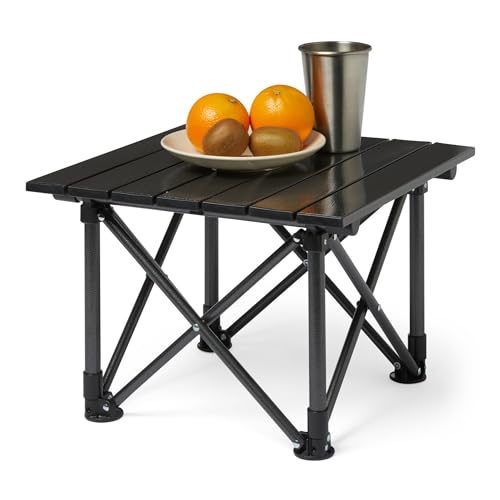
Amazon Basics Folding Camping Table, Made of Alloy Steel and Aluminum, Small, 15.7 x 16.1 x 11 Inches, 4.4 lbs, Black
Check price on Amazon