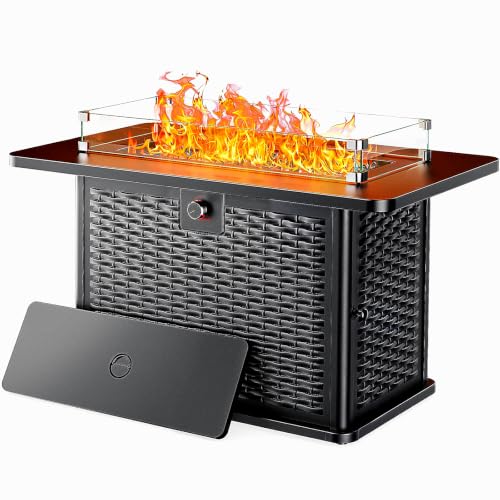
Gas Fire Pit Table: The Complete Buying Guide
A gas fire pit table combines the warmth of an open flame with the practicality of a patio table. This guide walks you through fuel types, table sizes, materials, safety considerations, and setup so you can choose a model that fits your outdoor space and entertaining style.
Explore Buying FactorsWhy a gas fire pit table deserves a place on your patio: Unlike a standalone fire bowl, a fire pit table gives you a flat surface for drinks and plates while providing a controlled, smokeless flame. You get ambiance and warmth without ash, sparks, or firewood storage. The key is understanding how fuel type, size, and construction affect daily use before you commit.
Key Buying Factors for a Gas Fire Pit Table
Most shoppers arrive at this page already knowing they want a gas fire pit table. The real decision lies in the details that separate an entry-level unit from a premium model: how it is fueled, how it is built, and how it fits your patio layout. The sections below break down each factor in plain language.
1. Fuel Type: Propane vs. Natural Gas
Propane models are the most common choice for residential patios. They run on a standard tank and can be placed almost anywhere, which makes them ideal for renters or anyone who rearranges furniture seasonally. The trade-off is refueling: a mid-range table typically runs for several hours on a full tank, so heavy users may want a spare.
Natural gas models connect to your home's supply and never need refueling. They suit homeowners who use the fire pit frequently and want a permanent fixture. Installation requires a licensed professional and a fixed gas line, so plan for that logistics upfront. Both options produce a clean, controllable flame.
2. Hidden Tank vs. Exposed Tank Design
A hidden propane tank fire pit table stores the tank inside the base behind an access door. This keeps the silhouette clean and protects the tank from weather, and it is the preferred layout for design-conscious patios. Exposed-tank designs are simpler and often lighter, but the tank remains visible.
If concealment matters to you, also review gas fire pit designs with hidden propane tanks for models that prioritize a streamlined look. For layouts where the tank sits inside a dedicated enclosure, see fire pits with the propane tank inside.
3. Size and Seating Capacity
Table dimensions should follow your seating plan, not the other way around. As a general rule:
- Compact square or round tables suit two to four chairs and small balconies or courtyards.
- Rectangular tables work best for six or more seats and anchor a full outdoor dining or lounge zone.
- Bar-height tables pair with stools and create a casual, standing-social atmosphere.
Leave at least two to three feet of clearance around the table so chairs can pull out and guests can move safely. If your space is tight, browse small-space outdoor seating ideas before finalizing dimensions.
4. Materials and Finish
Construction quality determines how the table ages outdoors. The most common options:
- Powder-coated steel and aluminum: durable, weather-resistant, and widely available across entry-level and mid-range tiers.
- Stainless steel: the top-tier choice for coastal climates and long-term outdoor exposure.
- Stone, concrete, and composite tops: add visual weight and retain heat; they pair well with conversation seating.
- Wood-look finishes: warm and natural, but require periodic sealing to stay protected.
Pair your fire pit table with seating that matches its visual weight. A garden furniture conversation set frames the fire pit naturally, while garden chairs let you build a custom arrangement.
5. Burner, Heat Output, and Flame Control
Look for a stainless steel burner with clearly labeled BTU output. Entry-level models usually provide a single flame setting, while mid-range and premium units add adjustable flame height and electronic ignition. A glass wind guard or lava rock bed improves flame stability on breezy patios and adds a polished look.
If your patio is exposed to wind, consider pairing the table with wind-resistant shade and accessories so the flame stays consistent during evening gatherings.
6. Safety and Placement
Gas fire pit tables are safe when installed and used per the manual. Key practices:
- Keep the unit away from railings, overhead structures, and combustible surfaces unless the manufacturer approves the placement.
- On wooden decks, choose a model with a heat shield or elevated base and respect clearance distances.
- Never store propane tanks indoors or in enclosed spaces without ventilation.
- Check hoses and connections seasonally, and keep the burner ports free of debris.
7. Maintenance and Seasonal Care
Routine care is modest. Cover the table when not in use, clean the burner ports each season, inspect hoses for wear, and store the propane tank safely in winter. Hidden-tank models need occasional checks that the access panel ventilation stays clear. A quality cover is the single best investment for extending the life of any outdoor fire feature.
How to Choose the Right Gas Fire Pit Table for Your Patio
Work through these questions before you shop:
- How often will you use it? Frequent evening use favors natural gas; occasional use favors propane portability.
- Where will it live? A permanent patio centerpiece can be larger and heavier; a balcony or rental space favors compact, portable models.
- How many people gather? Match table length to seating capacity and leave walking clearance.
- What is the climate? Coastal and rainy areas benefit from stainless steel and powder-coated finishes.
- Do you want a dining surface or purely a lounge feature? Dual-purpose tables give you both, while dedicated fire features prioritize flame display.
Editor's note on tiers: This guide uses relative quality tiers, not numeric figures. Entry-level models are functional and straightforward. Mid-range models typically add adjustable flame control, better burners, and sturdier bases. Premium and luxury tiers focus on stainless construction, refined finishes, and integrated storage. Choose the tier that matches how often you entertain.
Pairing Your Fire Pit Table With the Rest of Your Patio
A fire pit table rarely stands alone. It becomes the anchor of a seating zone. Start with the table, then build outward:
- Seating: a conversation set or individual garden chairs around the flame.
- Shade and structure: a gazebo or pergola frames the zone and extends usable evenings.
- Surfaces and accents: a garden table for dining nearby, plus garden statues or garden fountains for visual balance.
- Durability planning: if the patio stays furnished year-round, review garden furniture that can be left outside all year.
For broader layout guidance, the garden furniture hub covers seating, dining, and accent categories in one place.
Frequently Asked Questions
What is the difference between a propane and natural gas fire pit table?
Propane tables use a self-contained tank, which makes them portable and independent of home gas lines. Natural gas models connect directly to a permanent supply, so they never need refueling, but they require professional installation and a fixed location.
How do I choose the right size gas fire pit table?
Match the table size to your seating arrangement. Compact square or round tables suit two to four chairs, while rectangular tables work best for six or more seats. Leave at least two to three feet of clearance around the table for chairs and safe movement.
Are gas fire pit tables safe on a wooden deck?
Yes, when used correctly. Choose a model with a heat shield or elevated base, keep the unit away from railings and overhead structures, and follow the manufacturer's clearance distances. Never place it directly on a combustible surface without approval from the manual.
What materials are best for a gas fire pit table?
Powder-coated steel and aluminum offer durable, weather-resistant finishes. Stainless steel provides the highest corrosion resistance for coastal areas. Stone, concrete, and composite tops add visual weight and heat retention, while wood-look finishes need periodic sealing.
How much maintenance does a gas fire pit table need?
Routine care is minimal: cover the table when not in use, clean the burner ports seasonally, check hoses and connections for wear, and store the propane tank safely in winter. Hidden-tank models need occasional checks that ventilation stays clear.
Ready to compare models? Explore our recommended gas fire pit tables below, then check availability at your preferred retailer.