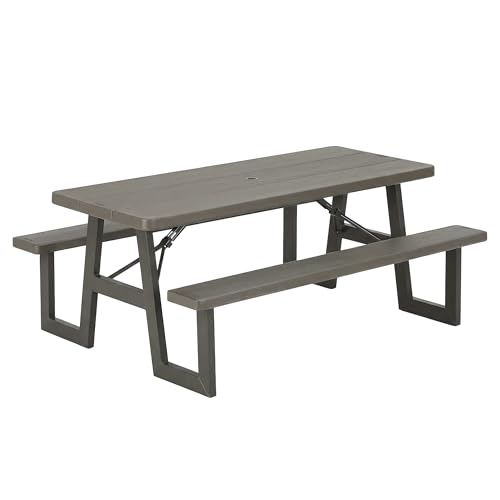
Heavy Duty Recycled Plastic Picnic Tables: The Complete Buying Guide
Weather-resistant, eco-friendly, and built to last. Everything you need to choose the perfect heavy duty recycled plastic picnic table for your backyard, park, or commercial space.
Why choose recycled plastic? Heavy duty recycled plastic picnic tables combine exceptional durability with environmental responsibility. Made from high-density polyethylene (HDPE) reclaimed from post-consumer waste, these tables resist rot, splinters, insects, and harsh weather without the annual maintenance wood demands. Whether you are furnishing a family backyard, a community park, or a commercial outdoor dining area, this guide walks you through everything you need to make a confident, informed decision.
What Makes a Recycled Plastic Picnic Table "Heavy Duty"?
Not all recycled plastic tables are created equal. The "heavy duty" designation reflects a combination of material density, structural engineering, and hardware quality. Here is what separates a commercial-grade table from a standard residential model:
Thick HDPE Lumber
Heavy duty tables use thicker recycled plastic planks (typically 1.5 to 2 inches) compared to thinner residential profiles. This added mass resists flexing under heavy loads and holds up to years of daily use.
Reinforced Frame & Hardware
Commercial-grade models often feature galvanized steel or aluminum substructures with stainless steel fasteners. This prevents the table from wobbling and ensures the joints stay tight through freeze-thaw cycles.
UV-Stabilized Color
Premium recycled plastic is infused with UV inhibitors that prevent fading, chalking, and brittleness. This keeps the table looking sharp and structurally sound under prolonged sun exposure.
Higher Weight Capacity
Commercial-grade picnic tables commonly support 500 to 1,000 lbs or more per bench. Residential heavy duty models typically handle 300 to 500 lbs per bench, making them suitable for large gatherings.
Slip-Resistant Surface
Many heavy duty tables feature a textured or grooved surface that improves grip, especially in wet conditions, reducing the risk of slips for children and elderly users.
Sealed or Capped Ends
High-end models seal or cap the ends of the plastic lumber to prevent moisture infiltration and insect nesting, further extending the table's service life.
Why Recycled Plastic Outperforms Wood, Metal, and Standard Plastic
Understanding how recycled plastic compares to other common picnic table materials helps you make a smarter long-term investment. The table below summarizes the key differences:
| Feature | Recycled Plastic (HDPE) | Treated Wood | Metal (Steel/Aluminum) |
|---|---|---|---|
| Rot & Insect Resistance | Excellent — impervious to rot, termites, and fungi | Moderate — requires chemical treatment and annual inspection | Good — but susceptible to rust if coating is damaged |
| Maintenance Needs | Minimal — soap and water cleaning | High — sealing, staining, or painting each season | Moderate — touch-up painting, rust prevention |
| Splinter Risk | None | High, especially as wood ages | Low, but edges can be sharp |
| Weather Tolerance | Excellent — UV-stabilized, freeze-thaw resistant | Moderate — warps, cracks, and grays over time | Good — but hot to the touch in direct sun |
| Lifespan (Typical) | 20–50+ years with minimal care | 10–15 years with regular maintenance | 15–25 years depending on coating quality |
| Eco-Friendliness | High — made from post-consumer waste, fully recyclable | Moderate — requires harvesting and chemical treatment | Moderate — energy-intensive production |
For homeowners seeking a set-and-forget solution, recycled plastic is hard to beat. If you are comparing broader outdoor furniture options, explore our guide to garden furniture that can be left outside all year for additional weather-proof choices.
Key Features to Evaluate Before You Choose
When shopping for a heavy duty recycled plastic picnic table, focus on these critical specifications to ensure you get a product that matches your intended use:
- Weight rating per bench — confirm the manufacturer's stated capacity for both benches and the tabletop.
- Plastic lumber thickness — thicker planks (1.5–2 inches) indicate heavier construction.
- Frame material — galvanized steel or powder-coated aluminum frames add rigidity and longevity.
- Fastener type — stainless steel or zinc-plated hardware resists corrosion.
- UV stabilization — look for HDPE explicitly treated with UV inhibitors.
- Tabletop design — umbrella hole compatibility, center gap for drainage, and surface texture.
- Assembly requirements — some models ship fully assembled; others require basic tools and 30–60 minutes.
- Warranty length — premium manufacturers often back their tables with 10-year to lifetime structural warranties.
- Color options — lighter colors stay cooler in the sun; darker colors hide stains better.
- Accessibility features — consider wheelchair-accessible or ADA-compliant designs for public spaces.
Understanding Quality Tiers in Recycled Plastic Picnic Tables
Recycled plastic picnic tables span a wide spectrum of construction quality. Rather than focusing on numbers, use these tier descriptors to align your expectations with the product you are considering:
- Entry-Level Tier Suitable for light residential use — occasional family meals and seasonal gatherings. These tables typically use thinner plastic planks and simpler frames. They offer solid value for casual users but may show wear sooner under continuous heavy use.
- Mid-Range Tier The most popular choice for homeowners who want a durable table without commercial-grade specifications. Expect thicker HDPE planks, UV-stabilized colors, and reinforced fastening points. These tables handle regular family use and year-round weather exposure well.
- High-End Tier Designed for demanding residential and light commercial settings. These tables feature premium HDPE thickness, sealed lumber ends, and heavier frame components. They are well-specified for the category and represent a long-term investment for busy households.
- Commercial-Grade / Professional-Grade Tier Engineered for parks, schools, restaurants, and other high-traffic environments. These tables meet rigorous durability standards, often carry extended warranties, and support the highest weight capacities. They are the definitive choice when the table must withstand daily public use.
Tier nomenclature varies by manufacturer, so always verify the actual specifications rather than relying on marketing labels alone. For broader context on heavy-duty outdoor pieces, see our guide to heavy duty patio furniture.
Size and Configuration Options
Heavy duty recycled plastic picnic tables come in several configurations to suit different spaces and group sizes:
Standard 6-Foot Table
Seats 6–8 adults comfortably. The most common size for family backyards and small parks. Fits well on most patios and decks.
8-Foot Table
Seats 8–10 adults. Ideal for larger gatherings, community centers, and commercial outdoor dining areas. Requires more clearance space.
ADA-Accessible Design
Features an extended tabletop end to accommodate wheelchairs. Required in many public and commercial installations.
Umbrella-Ready Models
Pre-drilled with a center hole for a patio umbrella, providing shade during sunny meals. Pair with a heavy-duty umbrella stand for stability.
Maintenance and Care: Keeping Your Table Looking New
One of the biggest advantages of recycled plastic picnic tables is their low maintenance requirements. Follow these simple steps to maximize the lifespan of your table:
- Routine cleaning — wash with mild soap, warm water, and a soft-bristle brush. Rinse thoroughly.
- Stain removal — for stubborn marks, use a diluted vinegar solution or a non-abrasive household cleaner.
- Avoid harsh chemicals — solvents and abrasive pads can dull the surface and reduce UV protection.
- Check hardware seasonally — tighten bolts and inspect for corrosion, especially in coastal areas.
- Store or cover during extreme weather — while the table is weather-resistant, a cover during prolonged harsh conditions preserves appearance.
- Prevent standing water — ensure the tabletop drainage gap is clear to prevent water pooling.
- Touch up scuffs — some manufacturers offer color-matched touch-up kits for minor surface marks.
For a complete seasonal maintenance routine, refer to our garden furniture you can leave out all year guide, which covers additional weatherproofing strategies.
Environmental Benefits of Recycled Plastic Furniture
Choosing a recycled plastic picnic table is a meaningful step toward sustainable outdoor living. Each table typically diverts hundreds of plastic containers from landfills. At the end of its long service life, the table itself can be recycled again, creating a closed-loop lifecycle. Unlike wood furniture, recycled plastic requires no deforestation, and unlike metal, its production consumes less energy while avoiding mining impacts.
If sustainability is a priority in your outdoor purchases, explore our broader collection of eco-conscious options in the HDPE outdoor furniture guide.
Pairing Your Picnic Table with Complementary Outdoor Pieces
A heavy duty recycled plastic picnic table anchors your outdoor space beautifully. Consider these complementary additions to complete your setup:
- Garden benches for additional seating along the perimeter.
- Garden chairs to create flexible seating arrangements around the table.
- Garden fountains for a soothing ambient soundtrack.
- Gazebos for shade and rain protection over your dining area.
- Heavy duty outdoor patio furniture covers to protect your investment during off-season storage.
Ready to Choose Your Heavy Duty Recycled Plastic Picnic Table?
Browse our curated selection of top-rated recycled plastic picnic tables. Compare features, read reviews, and find the perfect match for your outdoor space.
View Recommended ProductsFrequently Asked Questions
Are heavy duty recycled plastic picnic tables as durable as wood?
Yes. Premium recycled plastic picnic tables are engineered to resist rot, splinters, and insect damage, often outlasting traditional wood in wet or humid climates. They do not require annual sealing or painting to maintain structural integrity.
How much weight can a heavy duty recycled plastic picnic table hold?
Commercial-grade recycled plastic picnic tables commonly support 500 to 1,000 lbs or more per bench, depending on the frame and reinforcement. Residential heavy duty models typically handle 300 to 500 lbs per bench. Always check the manufacturer's weight rating for your specific model.
Do recycled plastic picnic tables get hot in the sun?
Quality recycled plastic picnic tables use UV-stabilized, high-density polyethylene (HDPE) that resists excessive heat absorption. Lighter colors stay cooler than dark ones. Under extreme sun exposure, surfaces can warm up, but premium models are formulated to minimize heat buildup compared to older plastic designs.
How do I clean a heavy duty recycled plastic picnic table?
Most recycled plastic tables clean easily with mild soap, warm water, and a soft-bristle brush or cloth. For stubborn stains or mildew, a diluted vinegar solution or a non-abrasive household cleaner works well. Avoid harsh solvents and abrasive pads that can dull the surface finish.
Is recycled plastic picnic table furniture eco-friendly?
Yes. Recycled plastic picnic tables are typically made from post-consumer HDPE (such as milk jugs) and can contain hundreds of recycled containers per table. They are themselves recyclable at the end of their lifespan, reducing landfill waste and demand for virgin materials.
Can I leave my recycled plastic picnic table outside in winter?
Yes. Recycled plastic picnic tables are designed to withstand freeze-thaw cycles and can remain outdoors year-round in most climates. However, covering the table during extended harsh weather helps preserve its appearance and extends its service life.