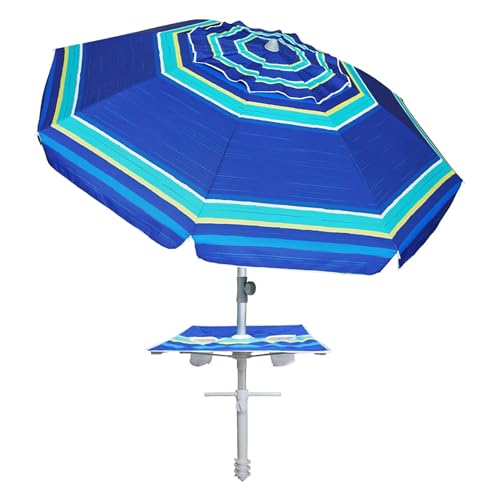
Heavy Duty Wind Resistant Beach Umbrella: Complete Buying Guide
Everything you need to know about choosing a beach umbrella that stays planted when the coastal breeze turns into a steady gale — from canopy engineering and pole strength to anchoring systems and real-world wind behavior.
Why this guide matters: A standard beach umbrella is designed for calm afternoons. A heavy duty wind resistant beach umbrella is engineered for the reality of coastal weather — gusty mornings, shifting sea breezes, and open shoreline exposure. If you have ever watched an umbrella tumble down the sand or fold inside out, you already understand why the difference between a casual sunshade and a wind-rated model is the difference between a relaxing day and a rescue mission. This guide breaks down the construction details, anchoring methods, and tier expectations so you can choose with confidence.
What Actually Makes a Beach Umbrella Wind Resistant?
Wind resistance is not a single feature — it is the result of several components working together. A heavy duty wind resistant beach umbrella typically combines a reinforced canopy, a vented top, a thick-gauge pole, and a stable anchoring base. When any one of these elements is weak, the entire structure becomes vulnerable. Understanding each part helps you evaluate specifications with a critical eye instead of relying on marketing labels.
Vented Canopy
A wind vent (or double vent) at the canopy's peak allows air to pass through rather than catching the umbrella like a sail. This single feature dramatically reduces lift and inversion risk during gusts.
Reinforced Ribs
Fiberglass or thick steel ribs resist bending under pressure. Look for ribs that are stitched into reinforced pockets rather than merely threaded, as this prevents tearing at the stress points.
Heavy-Gauge Pole
The center pole is the umbrella's spine. A thicker aluminum or steel pole with a locking mechanism (rather than a simple push-pin) keeps the canopy rigid and prevents wobble.
Anchoring System
Even the strongest canopy fails without a solid anchor. Sand screws, auger bases, and weighted plates are the foundation of wind-resistant performance on loose beach terrain.
Beyond these four core elements, fabric quality matters as well. Solution-dyed acrylic or heavy polyester with a tight weave resists stretching and UV degradation, which in turn keeps the canopy taut. A sagging canopy catches more wind and accelerates wear. If you are also considering shade for a patio or garden setting, our guide to heavy duty wind resistant patio umbrellas covers the residential equivalent of these same engineering principles.
Canopy Fabric and Ventilation: The First Line of Defense
Canopy material determines how the umbrella behaves under load. Entry-level models often use thin polyester that stretches over time, creating pockets that catch wind. Mid-range and premium models typically upgrade to solution-dyed acrylic or dense polyester blends with UV-resistant coatings. These fabrics hold their shape, resist fading, and maintain tension across the ribs.
Ventilation is equally important. A single vent reduces lift; a double-vent design further equalizes pressure and is common on high-end and commercial-grade beach umbrellas. Some models also feature adjustable vent closures that can be opened in breezy conditions and closed during calm, sunny hours. If you frequently deal with strong coastal wind, prioritize a canopy with at least one vent and reinforced stitching along every seam.
Seam construction is a detail many shoppers overlook. Double-stitched or bar-tacked seams at rib pockets and the canopy edge prevent blowouts. Flat-felled seams, common in premium fabrics, add another layer of durability. When comparing options, check whether the canopy edge has a reinforced hem — this is where flapping stress concentrates first.
Pole Strength, Frame Materials, and Locking Mechanisms
The pole is where leverage works against the umbrella. A taller canopy catches more wind, and a thin pole bends or snaps under that force. Heavy duty wind resistant beach umbrellas use thicker aluminum (often 1.5 inches or more in diameter) or powder-coated steel. Aluminum is lighter and rust-resistant; steel is stronger but heavier and requires a rust-proof finish.
Locking mechanisms deserve attention. Simple push-pin locks can wobble and eventually strip. Twist-lock collars and cam-lock systems hold the pole at the desired height with more consistent tension. Some premium models use a threaded locking collar that compresses around the pole for a secure grip. If the umbrella includes a tilt feature, verify that the tilt joint is metal rather than plastic — this is a common failure point in windy conditions.
Frame ribs should match the pole's quality. Fiberglass ribs flex and return to shape, which is ideal for gusty environments. Steel ribs are rigid but can bend permanently if overloaded. Many top-tier beach umbrellas combine a strong aluminum pole with fiberglass ribs for a balance of rigidity and flexibility. For larger shade structures that face similar wind exposure, our overview of heavy duty wind resistant cantilever patio umbrellas explains how offset designs handle load differently.
Comparing Tiers: What to Expect at Each Level
Beach umbrellas fall into recognizable tiers based on construction quality and wind performance. The table below uses universal tier descriptors rather than any specific figures, so you can map each level to your expected usage and exposure.
| Tier | Best For | Canopy & Frame | Anchoring | Wind Behavior |
|---|---|---|---|---|
| Essential Tier | Calm days, occasional coastal use, light breeze | Single vent or unvented polyester canopy; thin aluminum pole; steel ribs | Basic sand spike or ground stake | Handles gentle breeze; may invert in sustained gusts |
| Balanced Tier | Regular beachgoers, moderate wind, family use | Single or double vent; solution-dyed fabric; thicker pole with twist-lock | Auger base or sand screw included | Stable in moderate wind; occasional adjustment needed |
| Premium Tier | Windy coastlines, frequent use, long beach days | Double vent; high-grade acrylic; fiberglass ribs; cam-lock pole | Heavy-duty sand auger with secondary stabilizer | Holds firm in strong steady wind; resists inversion |
| Commercial-Grade | Rental fleets, resort use, extreme exposure | Reinforced double-vent canopy; commercial aluminum frame; welded joints | Integrated heavy auger or weighted base system | Engineered for sustained high wind; professional durability |
As a general rule, moving up a tier buys you smoother locking mechanisms, denser fabric, and more substantial anchoring hardware. A balanced-tier model is a solid choice for most recreational beachgoers, while premium and commercial-grade options are worthwhile investments for anyone who visits exposed shoreline regularly or manages shared equipment.
Anchoring Systems: Where Wind Resistance Is Won or Lost
No canopy survives without a proper anchor. On loose sand, the anchoring method matters more than any other single factor. The most common systems are sand spikes, auger screws, and weighted bases. Each has strengths and limitations depending on sand consistency and wind direction.
Sand Spike / Ground Stake
A straight stake driven into the sand. Simple and quick, but holding power depends heavily on sand density and depth. Works acceptably in packed sand on calm days but is the least reliable option in strong wind or soft, dry sand.
Auger / Sand Screw
A helical screw that twists into the sand, creating mechanical grip across a larger surface area. This is the preferred system for heavy duty wind resistant beach umbrellas. The wider the auger flight and the longer the shaft, the better the hold. Look for models with a folding handle for easier installation.
Weighted Base Plate
A flat plate or bag that sits on the surface and relies on added weight (sand, water, or integrated mass). Useful on hard-packed surfaces or decks where stakes cannot penetrate. Less effective on loose dry sand unless the base is very broad and heavy.
Many premium beach umbrellas include a combination approach — an auger plus a stabilizer fin or a secondary tie-down point. If your umbrella supports guy lines or sandbags, use them. Redundancy in anchoring is the simplest way to improve wind performance without changing the umbrella itself. For patio and garden settings where surface anchoring differs, the principles in our wind resistant patio umbrella guide translate well.
Setting Up for Wind: Practical Habits That Make a Difference
Even the best-engineered umbrella benefits from smart setup. Angle the canopy slightly into the prevailing wind so gusts glance off rather than lift the underside. Dig the anchor deeper than you think necessary — at least 12 to 18 inches into packed sand is a common recommendation for auger systems. Keep the canopy height moderate on windy days; lowering the pole reduces leverage and improves stability.
Position the umbrella so that surrounding objects — coolers, chairs, bags — do not create turbulence that channels wind under the canopy. If the wind is forecast to build, consider closing the umbrella during peak gusts rather than leaving it fully open. Finally, check the locking collar and tilt joint before each use; a loose joint is the most common cause of sudden canopy collapse.
For broader outdoor setups where wind is a recurring challenge, our guide to heavy outdoor furniture that won't blow away offers complementary strategies for stabilizing chairs, tables, and shade structures on exposed patios and decks.
Common Mistakes to Avoid
Relying on the spike alone
A simple stake in soft sand is the weakest anchoring method. Upgrade to an auger or add a secondary stabilizer for any breezy forecast.
Ignoring the vent
An unvented canopy catches wind like a sail. A vented top is not a luxury — it is a core wind-resistance feature.
Overextending the pole
Maximum height maximizes leverage. On windy days, lower the canopy and accept a smaller shade footprint for far better stability.
Leaving it up unattended
Wind can shift suddenly. If you leave the beach or the breeze builds, close and secure the umbrella rather than hoping it holds.
Skipping seam checks
Reinforced seams and rib pockets fail gradually. Inspect them before each season and repair small tears before they spread.
Using a patio umbrella at the beach
Patio umbrellas are designed for stable surfaces. Beach-specific anchoring and venting are essential for loose sand and open wind exposure.
Frequently Asked Questions
What wind speed can a heavy duty wind resistant beach umbrella handle?
Is a vented canopy really necessary for wind resistance?
Which anchoring method is best for loose, dry sand?
Can I use a heavy duty beach umbrella on a patio or deck?
How do I store a beach umbrella to extend its life?
What is the difference between premium and commercial-grade beach umbrellas?
Ready to Choose Your Wind-Resistant Beach Umbrella?
Explore our recommended heavy duty wind resistant beach umbrellas below. Each option is selected for solid construction, reliable anchoring, and proven performance in coastal conditions.
View Recommended OptionsChoosing the right umbrella comes down to matching construction quality and anchoring to your real-world exposure. If you beachcomb on calm mornings, an essential-tier model may serve you well. If you face steady coastal wind or visit exposed shoreline regularly, a premium or commercial-grade umbrella with a double vent and auger anchor is the more dependable long-term investment. Pair your umbrella with stable seating and shade accessories — our guides to heavy duty lawn chairs and heavy duty outdoor umbrella stands with wheels help complete a wind-ready beach setup.