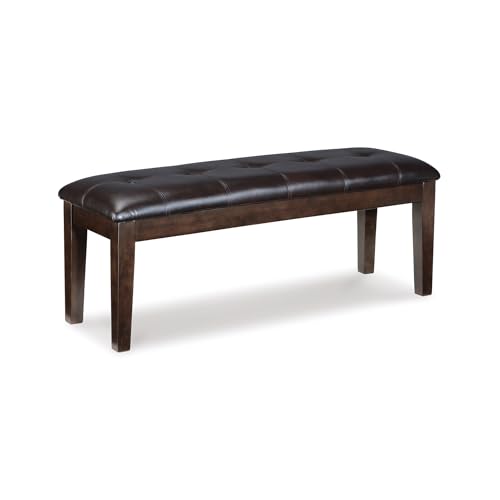
Kitchen Table Bench Seating: The Complete Buying Guide
Everything you need to know before choosing a kitchen table with bench seating — layouts, materials, storage options, comfort factors, and space-saving strategies for every home.
START EXPLORINGWhy bench seating is worth considering: A kitchen table bench seating arrangement pairs the warmth of a shared dining experience with smart use of floor space. Whether you are outfitting a compact breakfast nook or a busy family kitchen, understanding the trade-offs between bench types, materials, and configurations will help you make a confident, long-lasting choice.
Why Choose Kitchen Table Bench Seating?
Bench seating has moved well beyond the built-in diner booth. Today's kitchen dining sets frequently incorporate benches as a primary or secondary seating element, and for good reason. A bench tucked against a wall or window frees up floor space that individual chairs would otherwise occupy, making it an excellent fit for galley kitchens, apartments, and open-plan layouts where circulation matters.
Beyond space efficiency, a bench creates a natural gathering point. Children and guests slide along a continuous seat rather than maneuvering separate chairs, which encourages conversation and a more relaxed, communal feel. Benches are also easier to tuck completely under a table when not in use, keeping sightlines open and the room feeling uncluttered.
Space Efficiency and Practicality
One of the strongest arguments for a kitchen table with bench configuration is the reduction in footprint. Because benches do not need clearance behind them for chair pull-out, they can sit flush against a wall. In narrow rooms this can reclaim several inches of usable floor width — a meaningful gain in a tight breakfast area. When paired with a corner layout, bench seating can turn an awkward nook into a functional, cozy dining zone.
Storage is another differentiator. Many benches include lift-up seats or built-in cubbies, giving you a discreet place for table linens, board games, or seasonal items. If storage is a priority, consider a kitchen table bench seating with storage design, which combines seating and organization in a single footprint.
Comfort and Togetherness
Long benches encourage side-by-side seating, which many families find more sociable than individual chairs. Cushioned bench tops soften the experience for longer meals, while slatted or solid wood benches offer a firmer, more traditional feel. If comfort is your main concern, look for benches with high-density foam padding and removable, washable covers — both are common in mid-range and premium bench offerings.
Types of Kitchen Table Bench Seating
The right bench type depends on your room layout, how many people you seat regularly, and whether you want a freestanding piece or a fixed installation. Below are the most common configurations, each with distinct advantages.
Straight Bench
The classic single-run bench placed along one side of the table. Versatile, easy to move, and the simplest way to add bench seating to an existing table.
Corner / L-Shaped Bench
Maximizes seating in compact corners. An L-shaped dining bench wraps two walls and is ideal for breakfast nooks and bay windows.
Storage Bench
Lift-up seat or front-facing cubbies provide hidden storage. A practical choice for small kitchens that need every square foot to work harder.
Upholstered Bench
Fully padded seat and back for extended comfort. Often found in mid-range and premium tiers, upholstered benches suit dining areas used daily.
Backless Bench
Slides completely under the table, keeping the room visually open. Best for casual, quick meals and tight footprints.
Bench-and-Chair Combo
A hybrid layout with a bench on one side and chairs on the other. Offers flexibility — for example, a kitchen table with bench and two chairs balances comfort and space.
Matching the Bench to Your Table
Not every bench pairs well with every table. A good rule of thumb is to match bench height to chair seat height so that everyone at the table sits at a consistent level. Standard dining tables typically pair with benches around 17 to 19 inches high at the seat, though exact dimensions vary by design. If you already own a table, measure its height and apron clearance before shopping.
For round tables, a curved bench or a pair of short benches on opposite sides can work beautifully. For rectangular tables, a single long bench along one side is the most common and practical choice. If you are building a complete set from scratch, a kitchen table set with bench and chairs removes the guesswork of matching finishes and dimensions.
Materials and Construction: What to Look For
Bench construction directly affects durability, maintenance, and how the piece ages in a busy kitchen. The most common materials are solid wood, engineered wood, metal frames, and upholstered combinations.
| Material | Tier Positioning | Best For | Key Consideration |
|---|---|---|---|
| Solid hardwood (oak, pine, rubberwood) | mid-range to premium | Daily family use, long-term investment | Check joinery — dovetail or mortise-and-tenon joints signal solid build |
| Engineered wood with veneer (MDF, particleboard) | entry-level to mid-range | Light use, secondary seating, decorative nooks | Ensure edges are sealed; moisture is the main risk in kitchens |
| Metal frame (steel, iron) with wood or upholstered top | mid-range to commercial-grade | High-traffic households, industrial or farmhouse styles | Look for rust-resistant coating on the frame |
| Upholstered bench (foam + fabric) | mid-range to luxury | Comfort-focused dining, long meals, formal nooks | Choose removable, washable covers where possible |
For a timeless look that ages gracefully, wood remains the most popular choice. If you prefer a more refined finish, explore high-quality outdoor furniture construction standards as a reference point — many of the same principles (solid joinery, sealed finishes, UV-stable coatings) apply to indoor benches built to last. For a more decorative, wrought style that suits traditional kitchens, a wrought-iron-inspired bench can be a striking focal point.
Finishes and Edge Profiles
In a kitchen environment, spills and humidity are inevitable. Choose benches with sealed, water-resistant finishes and rounded or beveled edges — the latter are gentler on legs and less prone to chipping. Painted finishes can show wear at high-contact points, while natural wood tones tend to hide minor scuffs more gracefully.
Space Planning: Making Bench Seating Work in Your Kitchen
Bench seating shines in compact spaces, but it needs careful planning to stay comfortable. As a starting point, allow at least 12 inches of clear knee space beneath the table edge and enough depth on the bench itself (typically 14 to 16 inches) for a comfortable seated position.
Layout Checklist Before You Buy
- Measure the table height and apron clearance to confirm bench compatibility.
- Confirm you have at least 24 inches of table edge per seated person for comfortable dining.
- Check whether the bench can tuck under the table or needs permanent floor space.
- Verify clearance to nearby walls, appliances, and cabinet doors.
- Decide if a corner or L-shaped configuration better suits your room's geometry.
- Consider traffic flow — benches against walls keep walkways clear.
For small kitchens, a kitchen table with bench for small spaces is often the most efficient solution. Pair a compact table with a backless or low-profile bench, and keep the bench on the wall side of the table. If you are working with a narrow room, a kitchen table with bench seat and chairs layout lets you mix fixed and flexible seating — bench against the wall, chairs on the open side.
For larger families, configurations that seat four or more are readily available. A kitchen table with bench and four chairs provides generous seating without the visual weight of six separate chairs, while a kitchen table with bench and 2 chairs suits smaller households or couples who entertain occasionally.
Breakfast Nook and Corner Layouts
Corner benches are a natural fit for breakfast nooks. An L-shaped bench along two walls can turn an underused corner into a cozy dining destination. When planning a nook, remember that corner benches work best when built to the room's dimensions, so measure twice and consider a custom or modular option if standard sizes do not fit cleanly.
Storage, Comfort, and Family-Friendly Features
Bench seating can do more than seat people. Storage benches with lift-up lids or front cubbies are especially valuable in kitchens where cabinet space is at a premium. Use them for table linens, placemats, small appliances, or children's craft supplies — keeping clutter out of sight and the table ready for meals.
Comfort is the other half of the equation. Upholstered benches with high-density foam and supportive backs are the most comfortable option for daily use and long meals. If you choose a wooden bench, consider adding a fitted cushion; many bench manufacturers offer matching cushions, and universal-fit bench cushions are widely available in standard lengths.
Family Considerations
For households with young children, benches with rounded edges and wipe-clean finishes are practical. Benches also make it easy for children to climb in and out independently, and they eliminate the tipping risk of lightweight chairs. Families who frequently host guests appreciate the ability to squeeze one more person onto a bench — a small but real advantage over individual chairs.
If your dining area doubles as a homework or work-from-home space, consider a bench with a slightly deeper seat and a cushioned top. A bench that is comfortable for an hour-long meal will also be comfortable for a focused work session.
How to Choose: A Tier-Based Framework
Rather than comparing products on raw numbers, it helps to think about where each bench sits in the market. Use the framework below to align your expectations with the tier you are shopping in. Each tier describes relative positioning, not a specific figure.
| Tier | Typical Characteristics | Best For |
|---|---|---|
| entry-level | Engineered wood or light metal; simple assembly; basic finishes | Occasional use, starter homes, secondary seating |
| mid-range | Solid wood or reinforced frames; sealed finishes; some storage options | Daily family use, breakfast nooks, small kitchens |
| premium | Hardwood joinery; upholstered options; refined detailing and finishes | Main dining seating, design-led kitchens |
| luxury | Custom sizing; premium upholstery; bespoke finishes and hardware | Built-in nooks, statement dining spaces |
A mid-range bench is generally the sweet spot for most homes: it offers durable construction and comfortable seating without the customization lead times of luxury pieces. Entry-level benches are a reasonable fit for guest seating or a secondary nook, while premium and luxury tiers make sense when the bench will be used every day for years.
Questions to Ask Before You Commit
- Does the bench height match my table and my existing chairs?
- Is the finish sealed against moisture and easy to wipe clean?
- Can the bench be assembled and moved by one person?
- Are replacement cushions or covers available?
- Does the bench fit the room's traffic flow when tucked in and pulled out?
- Is the weight capacity appropriate for my household?
Caring for Your Kitchen Table Bench
With a little routine care, a well-made bench will stay attractive for years. Wipe wooden surfaces with a damp cloth and dry immediately; avoid harsh solvents that can strip sealed finishes. For upholstered benches, vacuum regularly and spot-clean with a mild fabric-safe cleaner. Check screws and bolts periodically — especially on benches used daily — and tighten as needed.
In humid climates or kitchens with heavy cooking, keep the bench away from direct steam and consider a moisture-resistant sealant for wooden pieces. If your bench doubles as storage, avoid overloading the compartment and ensure hinges are lubricated occasionally.
Frequently Asked Questions
What is the ideal bench height for a kitchen table?
Most standard dining tables pair well with benches that place the seat around 17 to 19 inches off the floor, matching typical chair seat height. Always measure your specific table's height and apron clearance before buying.
Is bench seating comfortable for everyday meals?
Yes, especially with a cushioned top. Upholstered or padded benches are comfortable for daily use, while backless wooden benches are better suited to shorter, casual meals.
How many people can sit on a bench?
A practical guideline is about 24 inches of bench length per person. A 48-inch bench comfortably seats two adults, while a 72-inch bench can seat three.
Are corner benches good for small kitchens?
Corner and L-shaped benches are among the most space-efficient options because they use two walls and eliminate the need for chair pull-out clearance. They work especially well in breakfast nooks.
Can I add a bench to my existing dining table?
Usually yes. The main requirements are matching seat height and ensuring the bench fits the table's length and style. Measure the table's underside clearance to confirm the bench can tuck in.
What material is best for a kitchen bench?
Solid hardwood is the most durable choice for daily use. Engineered wood is a reasonable option for lighter use, and metal-framed benches offer strength with an industrial look.
Ready to Choose Your Bench Seating?
Compare top-rated kitchen table bench seating options in our curated product section below. Filter by style, storage, and material to find the configuration that fits your kitchen.
EXPLORE RECOMMENDED BENCH SEATING