L Shaped Dining Bench: The Complete Buying Guide
Transform your kitchen, dining nook, or breakfast corner with a space-smart L shaped dining bench. Learn about dimensions, materials, storage options, and layout planning before you decide.
Explore Bench OptionsWhy an L Shaped Dining Bench? Corner bench seating turns an awkward, unused corner into the most sociable spot in your home. It seats more people than standalone chairs, tucks neatly against walls, and often hides valuable storage underneath. This guide walks you through everything you need to know to choose the right bench for your space.
What Is an L Shaped Dining Bench?
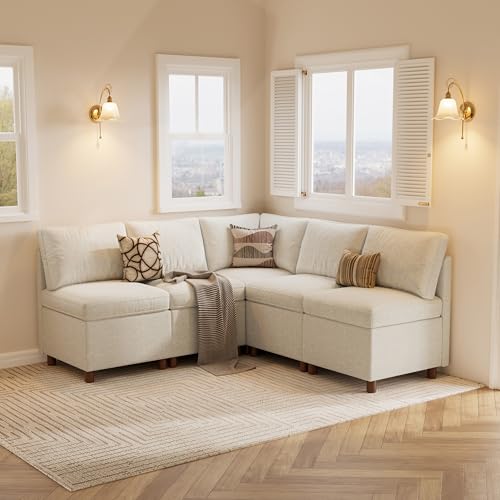
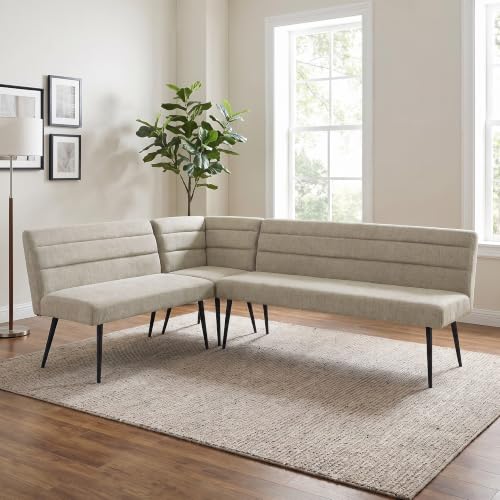
An L shaped dining bench is a two-sided seating unit designed to fit into a corner. One arm runs along one wall and the second arm runs perpendicular along the adjacent wall, forming a continuous L-shaped seating area. When paired with a square, round, or rectangular table, it creates a cozy dining nook that feels intentional and built-in.
Unlike individual chairs, a corner bench eliminates the dead space that typically collects clutter in corners. It also anchors the dining area visually, making even a modest kitchen feel like a designed breakfast nook. Many models now come with hinged seats or pull-out drawers, turning the bench itself into a storage solution for table linens, board games, or small kitchen appliances.
If you are weighing bench seating against freestanding chairs for a narrow room, our guide to kitchen tables with benches for small spaces compares both approaches in detail.
Key Benefits of Corner Bench Seating
- Maximizes corner space: Turns an otherwise unusable corner into prime seating.
- Seats more people: A single L shaped bench can comfortably seat four to six adults, often more than the same footprint of individual chairs.
- Built-in storage: Many designs lift up to reveal hidden compartments, ideal for small kitchens.
- Defines the dining zone: Creates a natural boundary between the cooking area and the eating area.
- Comfortable for long meals: Continuous upholstered seating encourages lingering over coffee and conversation.
- Family-friendly: No wobbly chairs to tip — safe and stable for children and older adults.
For families who entertain often, pairing a corner bench with a pedestal table creates a flexible layout that adapts from weeknight dinners to weekend brunches. If you are also planning a full kitchen refresh, browse our kitchen dining sets for coordinated table-and-bench combinations.
How to Measure for an L Shaped Dining Bench
Accurate measurements are the single most important step before ordering. Follow this checklist:
- Measure both wall lengths: Record the full length of each wall that will host the bench arms.
- Account for clearance: Leave at least 12 inches between the bench edge and the table edge so people can slide in and out.
- Check bench depth: Standard seat depth is 18 to 24 inches. Deeper benches are more comfortable but eat into floor space.
- Match seat height to table height: A standard dining table is 28 to 30 inches tall; the bench seat should sit 16 to 18 inches high for comfortable dining.
- Plan walkways: Keep at least 36 inches of clearance on the open side of the table for traffic flow.
- Verify door swings: Make sure the bench does not block cabinet doors, appliance doors, or entryways.
If you need a more detailed walkthrough, our measurement guide covers table heights, seat depths, and clearance zones in depth.
Materials and Construction: What to Look For
The right material depends on where the bench will live and how heavily it will be used. Here is how the main options compare:
| Tier | Material | Best For | Notes |
|---|---|---|---|
| Entry-level | Engineered wood with laminate finish | Occasional use, rental units | Lightweight and easy to assemble; keep away from prolonged moisture. |
| Mid-range | Solid pine or rubberwood frame | Everyday family dining | Solid build with a natural finish; benefits from periodic sealing. |
| Premium | Oak, birch, or hardwood veneer | High-traffic kitchens and open-plan dining | Durable construction that resists daily wear; pairs well with upholstered tops. |
| Top-tier | Solid hardwood with upholstered seating | Designer nooks and formal breakfast areas | Heavy-duty joinery, replaceable cushions, and long-term investment value. |
For outdoor covered patios, consider weather-resistant options such as HDPE outdoor furniture, which handles humidity far better than standard interior wood. For indoor kitchens, solid wood and upholstered benches offer the best comfort-to-durability balance.
Upholstery and Cushion Choices
Bench cushions transform a hard wooden seat into a comfortable dining spot. Look for removable, washable covers if the bench will see daily use. High-density foam holds its shape longer than low-density filling, and a bench with a slightly firm seat is easier to slide in and out of than an overstuffed one.
Storage Configurations: Making the Bench Work Harder
Storage tip: Lift-up seats are the most popular storage style because they preserve the clean exterior lines of the bench. Drawer-style storage is easier to access daily but requires clearance in front of the bench. Choose lift-up if the bench sits tightly against a wall; choose drawers if you have open floor space in front.
Storage benches are especially valuable in apartments and compact kitchens. A corner bench with storage can replace a standalone pantry cabinet, freeing up wall space for other uses. If you are designing a multi-purpose room, our kitchen table bench seating with storage guide explores configurations that combine seating, storage, and style.
Design Styles: Matching the Bench to Your Home
Modern and Minimalist
Clean lines, floating bases, and neutral upholstery suit contemporary kitchens. A low-back L shaped bench keeps sightlines open in open-plan homes.
Farmhouse and Rustic
Beadboard panels, distressed wood finishes, and turned legs give a corner bench a warm, lived-in feel. Pair with a farmhouse table and woven baskets for storage.
Coastal and Transitional
White-painted frames, wicker accents, and light blue or sage cushions bring a relaxed feel. These styles pair naturally with our high-quality wicker patio furniture line if you are extending the look to a covered porch.
Traditional and Classic
Upholstered backs, nailhead trim, and rich wood tones create a formal breakfast nook. These benches often work best in dining rooms where the bench is a focal point rather than a space-saving tool.
L Shaped Dining Bench vs. Other Seating Options
| Option | Best For | Trade-offs |
|---|---|---|
| L shaped corner bench | Corners, small kitchens, family dining | Fixed position; requires careful measuring |
| Straight bench | Long walls and rectangular tables | Less seating density than a corner layout |
| Individual chairs | Formal dining rooms and flexible layouts | Uses more floor space; corners stay empty |
| Banquette seating | Restaurant-style nooks and built-in designs | Usually requires custom installation |
If you are comparing a corner bench with a built-in banquette, our L shaped breakfast nook bench guide covers the pros and cons of each approach. For open-plan kitchens, a freestanding corner bench offers more flexibility than a permanently built-in unit.
Coordinating Your Table and Bench
A corner bench works best when the table is sized to match. A square table seats four around an L shaped bench comfortably; a round table softens the angular lines of the bench and improves conversation flow. Rectangular tables can work if one long side is anchored by the bench and the opposite side uses chairs.
For matched sets, explore our kitchen table with bench and chairs collection, or if you prefer an all-bench configuration, our kitchen table bench seating guide offers layout inspiration. If you are furnishing a smaller breakfast space, a breakfast nook bench is often the ideal solution.
Installation and Assembly Tips
- Assemble the corner joint first: Most L shaped benches ship in two sections that bolt together at the corner. Tighten the corner bolts last, after the arms are positioned against the walls.
- Use wall anchors: Secure the bench to the wall studs if the manufacturer provides anti-tip hardware. This is especially important in homes with young children.
- Level the base: Slight floor unevenness is common; adjustable feet or shims prevent wobble and extend the life of the joints.
- Protect the walls: Felt pads on the back edge of the bench prevent scuffs and make it easier to reposition the bench during cleaning.
Care and Maintenance
Dust the bench weekly with a microfiber cloth. For wooden surfaces, use a mild wood cleaner and avoid harsh solvents. Upholstered benches should be vacuumed monthly and spot-cleaned according to the fabric care code. If the bench sits near a window with strong afternoon sun, rotate or treat the cushions to prevent uneven fading.
For outdoor covered areas, our weatherproofing guide covers protective treatments and seasonal care routines that apply to wood and metal benches alike.
Common Mistakes to Avoid
- Skipping the corner measurement: Corners are rarely exactly 90 degrees. Measure both walls and note any deviation before ordering a custom or semi-custom bench.
- Choosing a bench that is too deep: A 24-inch depth feels luxurious but can crowd a small kitchen. Measure your walkway clearance first.
- Ignoring table height: A bench that is too low or too high relative to the table makes every meal uncomfortable.
- Forgetting storage access: If you choose a lift-up seat, make sure the table does not block the lid from opening.
- Overlooking assembly clearance: Some L shaped benches are large when assembled; confirm the delivery path and assembly area before ordering.
Frequently Asked Questions
What is an L shaped dining bench?
It is a two-sided corner seating unit that follows two adjacent walls, creating a continuous seating area around a dining table. It is the most space-efficient way to seat a family in a kitchen corner or breakfast nook.
How do I measure for an L shaped dining bench?
Measure both wall lengths of your corner, subtract clearance for table pull-out and walkways, and confirm the bench depth (18 to 24 inches) and seat height (16 to 18 inches) match your table. Leave at least 12 inches between the bench edge and the table edge.
Can an L shaped dining bench fit in a small kitchen?
Yes. Corner benches are specifically designed for compact spaces because they use the corner that would otherwise be wasted. Choose a model with built-in storage to get even more function from the same footprint.
Should I choose lift-up storage or drawer storage?
Choose lift-up storage if the bench sits against a wall with little floor clearance in front. Choose drawer storage if you have open floor space and want easier daily access to stored items.
What table shape pairs best with an L shaped bench?
Square and round tables pair most naturally because they follow the L shape without leaving awkward gaps. Rectangular tables work if the bench anchors one long side and chairs are used on the opposite side.
How many people can an L shaped dining bench seat?
Most residential L shaped benches seat four to six adults comfortably. Larger custom units can seat eight or more. Actual capacity depends on the arm lengths and the table size.
Ready to Choose Your Corner Bench?
Browse our hand-picked selection of L shaped dining benches with storage, upholstered tops, and solid wood frames. Compare features and find the right fit for your kitchen.
View Recommended Benches