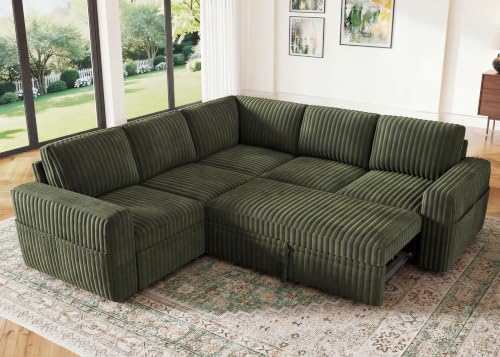
L Shaped Sectional Sofa with Pull Out Bed: The Complete Outdoor Buyer's Guide
Everything you need to know before choosing a corner sectional that doubles as a sleeper — from frame materials and cushion fabrics to layout planning and long-term care.
Explore Top PicksWhy this guide matters: An L shaped sectional sofa with pull out bed is one of the most versatile pieces you can add to a patio, deck, or covered porch. It seats a crowd during the day and converts into a flat sleeping surface at night. But not every model is built for outdoor use — the sleeper mechanism, cushion foam, and frame finish all determine whether your investment survives seasons of sun and rain. This guide walks you through every decision point so you can buy with confidence.
What Exactly Is an L Shaped Sectional with a Pull Out Bed?
An L shaped sectional sofa with pull out bed is a corner-configured seating unit composed of at least two joined sections that form a right angle. One section typically runs long along a wall or railing, while the shorter return section completes the "L." Hidden inside the longer section — or sometimes beneath the chaise — is a folding or sliding mechanism that extends the seat into a flat bed. For outdoor use, the best versions borrow engineering from marine furniture: rust-proof frames, drainage-friendly cushions, and mechanisms sealed against moisture.
If you are still comparing general configurations, our guide to outdoor sectional sofas breaks down straight versus curved layouts. But if you specifically need overnight sleeping capacity, the pull out mechanism is the differentiator — and it changes how you evaluate every other specification.
Key Benefits of a Convertible Corner Sectional
- Dual-purpose footprint One piece of furniture serves as a daytime lounge for five to seven people and a nighttime sleeper for two.
- Space-efficient corner use The L shape hugs walls and railings, freeing up central patio space for dining or circulation. See our notes on outdoor furniture for small spaces.
- Better conversation flow Right-angle seating naturally faces inward, which works beautifully on minimalist decks and modern patios.
- Guest-ready at a moment's notice No air mattress, no folding cot — the bed is already integrated into the frame.
- Design cohesion One coordinated piece beats mismatched chairs and a separate daybed for visual calm.
What to Look For Before You Buy
Buying an outdoor sleeper sectional is a structural decision, not just a style decision. The following criteria separate models that last from models that sag after two seasons.
| Feature | What to Check | Why It Matters Outdoors |
|---|---|---|
| Frame | Powder-coated aluminum or high-grade steel | Resists rust and warping from humidity and rain |
| Wicker / Shell | High-density polyethylene (HDPE) weave | UV-stable, does not crack or fade like natural rattan |
| Cushions | Solution-dyed acrylic fabric + quick-dry foam | Mildew-resistant and colorfast under direct sun |
| Sleeper Mechanism | Sealed metal rails, reinforced pivot points | Prevents corrosion and wobble after repeated use |
| Hardware | Marine-grade stainless steel bolts | Stops rust bleeding onto fabric and decking |
| Modularity | Reversible chaise, detachable sections | Lets you reconfigure the L for different layouts |
| Covers | Fitted waterproof cover with vents | Protects mechanism and cushions during off-season |
A quick reality check: not every "sectional" listing is a true sleeper. Some manufacturers call a deep chaise a "pull out" when it merely slides forward. Confirm that the mechanism converts the seat into a flat surface at least 60 inches long — otherwise it is a lounger, not a bed.
Market Tiers: How Outdoor Sleeper Sectionals Are Positioned
We classify products by construction quality and intended lifespan rather than by any numeric figure. Use this framework to match a model to your usage pattern. The same tier language applies across our patio conversation sets coverage.
| Tier | Typical Construction | Best For |
|---|---|---|
| Entry-Level | Steel frame, basic polyester cushions, simple slide mechanism | Seasonal use, covered patios, first-time buyers |
| Mid-Range | Aluminum frame, HDPE wicker, solution-dyed acrylic cushions, sealed rails | Year-round covered use, families who use the sleeper regularly |
| Premium | Thick-gauge aluminum, hand-woven resin, quick-dry foam, reinforced mechanism | Full-sun patios, hospitality-style outdoor lounges |
| Luxury | Commercial-grade frame, custom cushions, engineered sleeper system with warranty | High-use entertaining spaces, poolside lounges, rental properties |
A mid-range model usually offers a smoother sleeper mechanism and thicker cushion cores than an entry-level unit, while a premium model adds better UV resistance and a more rigid frame. If your patio is fully exposed to sun and rain, stepping up a tier is a worthwhile investment in longevity. For complementary protection, pair your sectional with a waterproof outdoor furniture cover.
Layout and Space Planning for an L Shaped Sleeper Sectional
The L shape is space-efficient, but a sleeper mechanism needs clearance. As a rule of thumb, plan for a footprint of about 8 by 8 feet plus 2 to 3 feet of open space along the side where the bed extends. On a small patio, choose a reversible chaise so the return arm can face the open side, and confirm the pulled-out bed does not block a walkway or door.
If your patio is long and narrow, angle the L so the long run sits parallel to the house and the return section frames the view. On a minimalist deck, keep the open side clear and add a low rattan coffee table or a round outdoor coffee table in the inner corner. Grounding the arrangement with an large outdoor rug visually anchors the zone and defines the seating boundary.
Layout Advantages
- Corner placement frees central floor area
- Reversible chaise adapts to left or right walls
- Seats 5–7 without extra chairs
- Creates a natural conversation circle
- Integrates with fire pit layouts
Layout Watch-Outs
- Bed extension needs 2–3 ft clearance
- Heavy frames may need two people to reposition
- Deep seats can overwhelm narrow patios
- Full-sun exposure accelerates fade without cover
Materials That Survive the Outdoors
Frames: Aluminum is the gold standard for outdoor sleepers because it does not rust and stays lighter than steel. Powder-coated finishes add scratch resistance. Steel is acceptable if the coating is intact and hardware is stainless — check our metal patio furniture guide for care tips.
Weave and shell: HDPE wicker resists UV degradation and does not absorb water. Natural rattan should be avoided for sleeper units because the mechanism pressure can crack dried fibers. For a cleaner modern look, consider a shell design similar to our outdoor furniture set with swivel chairs.
Cushions: Solution-dyed acrylic is the benchmark for fade resistance. Quick-dry foam uses open-cell construction so water drains instead of pooling. If you need replacement cushions later, review our notes on outdoor seat cushions for sizing compatibility.
The sleeper mechanism: Look for sealed rails, reinforced pivot plates, and a locking latch that prevents accidental collapse. A well-engineered mechanism should operate with one hand and lie perfectly flat — not sag in the middle.
Care and Maintenance for Long-Term Use
Routine care extends the life of both the fabric and the sleeper hardware. Brush off debris weekly, rinse cushions with mild soap and water, and allow them to dry upright. Lubricate the sleeper rails once or twice per season with a silicone-based product — never oil, which attracts grit. During heavy rain or winter, cover the unit with a fitted cover and store cushions indoors when possible. For broader routines, see our weatherproofing outdoor furniture covers article.
If your sectional will sit in full sun, consider adding an offset umbrella with LED lights nearby for shade during the day and soft light at night. Homes with pets should also read our pet-friendly outdoor guide to protect the weave from scratches.
Frequently Asked Questions
What is an L shaped sectional sofa with pull out bed?
It is a corner-configured outdoor sofa that combines a long chaise-style section with a built-in sleeper mechanism, allowing the seating surface to convert into a flat bed for overnight guests or lounging.
What materials are best for an outdoor sectional with a sleeper?
Powder-coated aluminum frames resist rust, while high-density polyethylene wicker and solution-dyed acrylic cushions handle sun and rain well. Look for marine-grade hardware and quick-dry foam in the sleeper section.
How much space do I need for an L shaped outdoor sectional?
Most L shaped outdoor sectionals need a footprint of roughly 8 by 8 feet, plus clearance of 2 to 3 feet on the open sides for walking and pulling out the bed mechanism.
Can the pull out bed stay outside year-round?
Yes, if the frame and mechanism are weather-resistant and you use a fitted waterproof cover. Storing cushions indoors during heavy rain or winter extends their lifespan significantly.
How does an outdoor sleeper sectional compare to a standard outdoor sectional?
A standard outdoor sectional sofa offers seating only. A sleeper version adds an internal mechanism and reinforced frame, so it is slightly heavier and requires more clearance. The trade-off is overnight guest capacity without a separate daybed.
Ready to Compare Models?
Scroll down to the recommended product section where we highlight L shaped sectional sofas with pull out beds across multiple tiers. Filter by material, layout, and sleeper mechanism to find the right fit for your patio.
View Recommended Picks