Large Sectional Couch That Turns Into a Bed: The Complete Buying Guide
Turn your outdoor lounge into a guest-ready sleeping space. Learn how to evaluate sleeper mechanisms, weather-ready materials, sizing, and layout before you commit to a convertible patio sectional.
Compare FeaturesWhy this guide matters: A large sectional couch that turns into a bed is one of the most versatile pieces you can add to a patio, lanai, or covered deck. It seats a crowd by day and hosts overnight guests by night. But not all convertible sectionals are built the same — the sleeper mechanism, frame material, and cushion construction determine whether your investment lasts one season or a decade. This guide walks you through every decision point so you can buy with confidence.
What Exactly Is a Large Sectional Couch That Turns Into a Bed?
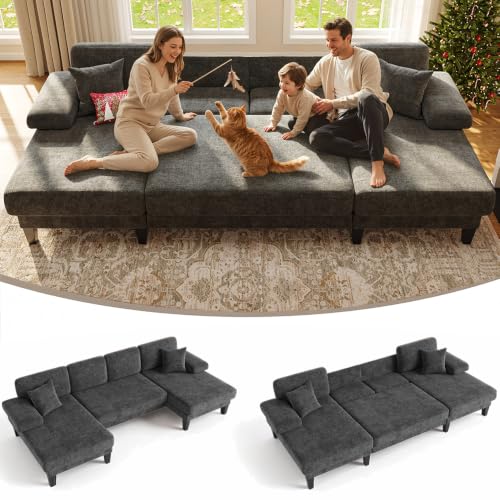
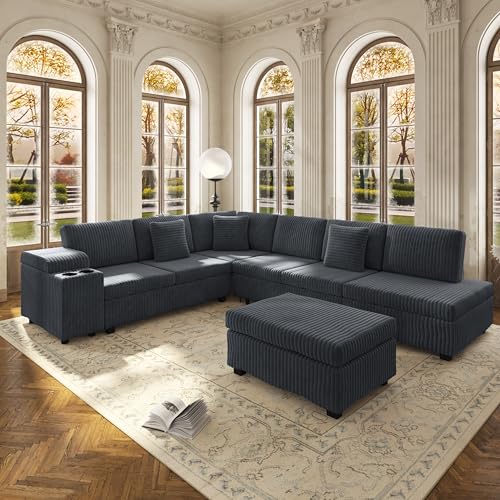
A large sectional couch that turns into a bed is a multi-seat outdoor sofa — typically configured in an L-shape or U-shape — that integrates a sleeper function. Unlike a standard sofa bed, these pieces are engineered for outdoor environments, with sealed mechanisms and moisture-resistant cushions. The conversion usually works in one of three ways:
- Pull-out trundle: A hidden platform rolls out from beneath the chaise or main seat, creating a flat sleeping surface. This is the most common design for outdoor sleeper sectionals.
- Fold-flat backrest: The back cushions fold down to sit level with the seat, converting the sofa into a wide lounger or bed. Simple and mechanism-free.
- Pop-up platform: A hinged panel lifts and locks into a flat position, often used in modular sectionals where the corner piece doubles as the sleeper.
If you are comparing pull-out versus fold-flat designs, our guide to a large sectional couch with pull-out bed breaks down the trade-offs in mechanism durability and setup effort.
Why Choose a Convertible Outdoor Sectional?
Outdoor space is precious, and a dual-purpose sofa maximizes every square foot. Here is what a sleeper sectional delivers that a standard patio sofa cannot:
- Guest-ready flexibility: No air mattress, no folding cot — just pull out the bed and hand your guests a pillow.
- Day-to-night versatility: Use the flat configuration as a sun lounger or reading platform during the day.
- Space efficiency: One piece replaces a sofa plus a guest bed, which matters on compact lanais and balconies.
- Design cohesion: A single sectional anchors the seating area better than mismatched furniture.
For smaller covered spaces, pair the sectional concept with a lanai patio layout that keeps walkways clear and the sleeper extension unobstructed.
Sleeper Mechanisms: What to Look For
The mechanism is the heart of any couch that turns into a bed. Outdoor environments punish moving parts, so choose carefully:
Sealed Metal Glides
Look for stainless or powder-coated steel glides. They resist rust and keep the pull-out smooth after repeated cycles.
Fold-Flat Backrests
Fewer moving parts mean fewer failure points. Fold-flat designs are ideal for humid or coastal climates.
Locking Latches
A positive lock prevents the bed from sliding shut mid-use. Test the latch before buying — it should engage firmly.
Moisture Drainage
Good sleeper sectionals include drainage channels in the platform so rainwater cannot pool under the mattress.
Frame and Fabric Materials That Survive Outdoors
Weather resistance separates a true outdoor sleeper sectional from an indoor sofa placed on a patio. Prioritize these materials:
- Powder-coated aluminum frame: Lightweight, rust-proof, and the standard for premium and luxury tier outdoor furniture.
- High-grade steel with rust-proof finish: Heavier and sturdy, but inspect welds and coatings carefully.
- Solution-dyed acrylic or olefin fabric: UV-stable, mold-resistant, and colorfast. These are the top-tier cushion covers for outdoor use.
- Quick-dry foam: Open-cell foam drains water and resists mildew better than standard upholstery foam.
If you want to understand how different frame materials compare across the category, our longest-lasting outdoor furniture material breakdown is a useful companion read.
Sizing and Layout: Getting the Dimensions Right
A "large" sectional can mean anything from a five-seat L-shape to a sprawling U-shape with a chaise. Before you buy, measure twice:
- Footprint: Confirm the sectional fits your patio with at least 24 inches of walking clearance on all open sides.
- Open sleeping length: A comfortable adult bed needs roughly 75 inches of length. Check the deployed dimensions, not just the seated dimensions.
- Corner placement: The corner module usually holds the sleeper mechanism. Make sure the corner faces open space, not a wall.
- Modularity: Modular pieces let you reconfigure an L-shape into a U-shape or split the sectional across zones.
If your patio doubles as a dining area, coordinate the sectional with a large outdoor dining table with umbrella hole so the two zones do not crowd each other.
Market Tiers at a Glance
Outdoor sleeper sectionals fall into three broad market tiers. Use this comparison to set expectations for build quality and features:
| Tier | Typical Build | Best For |
|---|---|---|
| Entry-level | Steel frame, polyester cushions, basic fold-flat sleeper | Seasonal use on covered patios; first-time buyers |
| Mid-range | Aluminum frame, quick-dry foam, sealed pull-out trundle | Year-round use in moderate climates; family patios |
| Premium / luxury | Powder-coated aluminum, solution-dyed acrylic, modular design | Coastal homes, sun-exposed decks, long-term investment |
Mid-range models usually offer a smoother, more reliable sleeper mechanism than entry-level builds, while premium tiers add modular flexibility and longer fabric warranties.
Pre-Purchase Checklist
- Measured patio footprint and confirmed 24-inch walkway clearance
- Verified deployed sleeping dimensions (length and width)
- Inspected the sleeper mechanism for sealed glides and locking latches
- Confirmed frame material is rust-proof or powder-coated
- Checked cushion fabric for UV and mold resistance
- Reviewed warranty terms for frame and mechanism separately
- Planned storage covers for off-season protection
Protecting Your Investment: Storage and Care
A sleeper sectional exposes more surface area and more moving parts than a standard sofa. Protect it with a dedicated cover and store cushions during heavy rain. A large deck box or a large waterproof outdoor cushion storage box keeps cushions dry and extends fabric life. For broader maintenance guidance, see our weatherproofing guide.
Frequently Asked Questions
Can a sleeper sectional stay outside all year?
Premium and luxury tier models with aluminum frames and solution-dyed acrylic cushions can stay outside in most climates. Entry-level models should be covered or stored during harsh winters and heavy rain seasons.
How many people can sleep on a large sleeper sectional?
Most large pull-out sectionals convert to a sleeping surface that fits one to two adults comfortably. Fold-flat backrest designs typically accommodate one adult or two children.
Do I need a separate mattress for the sleeper?
No. Outdoor sleeper sectionals include an integrated mattress or platform pad. If the included pad feels thin, a waterproof mattress topper improves comfort without compromising drainage.
Is a pull-out bed or a fold-flat backrest better for outdoor use?
Fold-flat backrests have fewer moving parts and are less prone to moisture damage. Pull-out trundles offer a flatter, more bed-like surface. Choose based on how often you expect overnight guests.
Final Thoughts
A large sectional couch that turns into a bed is a long-term investment in your outdoor lifestyle. Focus on the mechanism, the frame material, and the cushion fabric — these three elements determine durability far more than styling details. Measure carefully, choose a tier that matches your climate and usage, and protect your purchase with proper covers and storage. If you are still weighing configurations, compare a pull-out sectional against a fold-flat design before you finalize your decision.