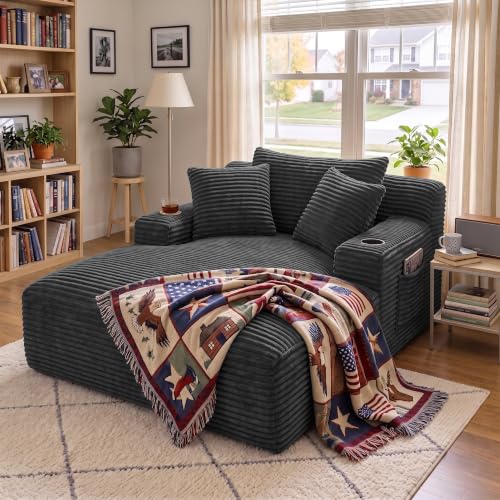
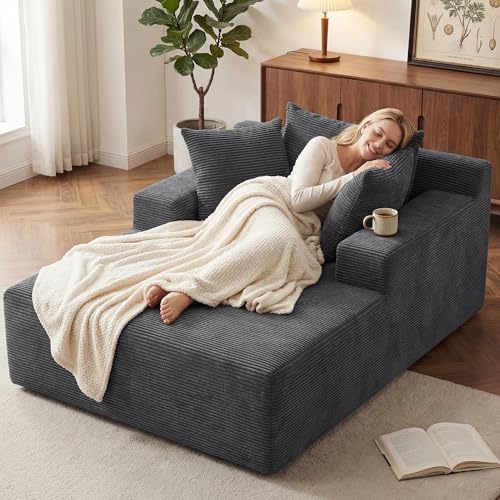
Living Room Lounge Chair: The Complete Comfort & Style Guide
Everything you need to choose the perfect lounge chair for your living room — from ergonomics and materials to style matching and space planning. Research thoroughly, decide confidently.
Explore the GuideWhy this guide matters: A lounge chair is one of the most personal pieces of furniture in any home. It is where you read, unwind, and entertain. Unlike a sofa that serves a group, a lounge chair serves you. Choosing the right one requires balancing comfort, durability, and design so it fits seamlessly into your living room for years to come.
What Makes a Great Living Room Lounge Chair?
A quality lounge chair combines three essential qualities: ergonomic support, durable construction, and a design language that complements your existing interior. Buyers in the research phase often overlook the first two because design tends to draw the eye first. But a chair that looks beautiful and feels uncomfortable will quickly become a decorative object rather than a seat you actually use.
Start by defining how you will use the chair. A reading chair needs a supportive backrest and good lumbar support. A conversational chair needs an open seat and a slightly reclined back. A lounging chair benefits from a deep seat and a headrest. Once you know your primary use case, the shortlist of suitable models becomes far easier to build.
Understanding Lounge Chair Tiers
Lounge chairs fall into clear quality tiers. Understanding these tiers helps you set realistic expectations about materials, longevity, and the level of craftsmanship you should expect from each category. This guide uses a consistent tier system across the full product spectrum.
Starter Tier
Basic frame construction, simple upholstery, and straightforward assembly. Suitable for occasional use, guest rooms, or first apartments. Expect functional comfort and a design that follows trends rather than setting them.
Balanced Tier
Improved cushion density, reinforced joints, and more refined fabrics or leathers. This tier typically offers the strongest combination of comfort and durability for daily use in a primary living space.
High-end Tier
Solid hardwood frames, high-resilience foam, and premium upholstery such as full-grain leather or performance weaves. Designed for long-term daily use with a refined aesthetic and superior ergonomics.
Flagship Tier
Designer craftsmanship, hand-finished details, and materials selected for longevity and tactile quality. These chairs are statement pieces built to be repaired and enjoyed for decades rather than replaced.
Materials: What to Look For
The material of a lounge chair determines how it feels, how it ages, and how much maintenance it requires. There is no single best material — the right choice depends on your household, your climate, and your tolerance for upkeep.
Upholstery Fabrics
- Performance weaves: Treated for stain and fade resistance, ideal for households with children or pets. Durable construction and easy spot cleaning make them a practical choice for daily use.
- Cotton and linen blends: Breathable and soft, with a natural look that suits relaxed interiors. These fabrics require more careful maintenance and are best for low-traffic areas.
- Velvet: A rich, tactile option that adds depth and warmth. Modern performance velvets resist crushing and are easier to maintain than traditional versions.
- Bouclé and textured weaves: Popular for their tactile appeal and visual interest. Choose a tightly woven version to avoid snagging in busy households.
Leather Options
Leather remains a benchmark for durability and aging. A leather lounge chair develops a patina that many owners find more attractive over time. If you are comparing upholstery types, you can explore leather lounge chair options to understand how full-grain and top-grain leathers differ in feel and longevity. For a broader look at indoor seating, the indoor lounge chairs collection covers fabric, leather, and mixed-material designs.
Frame Construction
- Solid hardwood: The most durable frame category. Look for kiln-dried hardwood with reinforced joinery and corner blocks.
- Engineered wood: A common mid-tier option. Quality varies significantly, so check for dense, well-finished panels and solid joinery.
- Metal: Steel and aluminum frames offer strength and a modern silhouette. High-grade steel with a rust-proof finish is a sound long-term investment.
Ergonomics and Comfort
Comfort is not just about softness. A supportive lounge chair distributes weight evenly, keeps your spine in a neutral position, and offers enough seat depth to avoid pressure points. When evaluating a chair, consider these measurable factors:
| Feature | What to Check | Best For |
|---|---|---|
| Seat Height | Feet flat on floor, thighs supported | Daily use, reading |
| Seat Depth | Two to three inches behind the knee | Relaxed lounging |
| Back Angle | Slight recline for conversation; deeper recline for lounging | Social seating vs. solo relaxing |
| Armrest Height | Shoulders relaxed, elbows supported | Reading, using a tablet |
| Cushion Density | High-resilience foam that recovers shape | Long-term comfort |
For smaller living rooms, a compact lounge chair with a lower back profile preserves sightlines and makes the room feel larger. For larger spaces, a large lounge chair can serve as a statement piece and anchor the seating arrangement. If you prefer a more versatile configuration, a lounge chair with ottoman extends the chair into a full lounging position without needing a separate recliner.
Matching Your Lounge Chair to the Room
Design cohesion matters as much as comfort. A lounge chair should either harmonize with your existing palette or act as a deliberate accent. Before choosing, measure your space and map out traffic flow. A chair placed at an angle to the sofa often improves conversation flow and makes the room feel more dynamic.
If your living room is neutral, a lounge chair in a contrasting tone or texture can become the focal point. If your room is already busy, a chair in a muted tone or a solid fabric keeps the composition calm. Pay attention to leg style as well — tapered wooden legs suit mid-century interiors, while a skirted or upholstered base reads as more traditional.
When exploring options, it helps to compare the full range of lounge chairs for living room use, since this category spans everything from compact accent chairs to expansive recliners. For bedroom-adjacent sitting areas, the lounge chair for bedroom guide covers how to scale a chair appropriately for smaller spaces.
Care and Longevity
A lounge chair is a long-term investment, and a little maintenance goes a long way. Fabric chairs benefit from regular vacuuming and prompt spot cleaning. Leather chairs should be dusted and conditioned periodically to prevent drying and cracking. Wooden frames should be kept away from direct heat sources and checked for loose joints once or twice a year.
Rotate cushions if they are removable, and keep the chair out of prolonged direct sunlight to slow fading. If your home has pets, choose a tightly woven fabric or a distressed leather that disguises minor marks. These simple habits preserve both the appearance and the structural integrity of the chair.
Frequently Asked Questions
How do I know if a lounge chair will fit my living room?
Measure the footprint of the chair and mark it on the floor with tape. Leave at least 18 inches of walking space around the chair. Account for any reclining or swivel movement if the chair has those features.
Is leather or fabric better for a living room lounge chair?
Leather is more durable and easier to wipe clean, making it well suited to households with pets or children. Fabric offers more color and texture options and a softer feel. Both can work well if you choose a quality tier that matches your expected use.
Should a lounge chair match the sofa?
Not necessarily. A complementary rather than identical relationship often looks more considered. You can match the style or the color family while introducing a different texture or silhouette.
What seat height is best for a lounge chair?
A seat height that allows your feet to rest flat on the floor while your thighs are fully supported is ideal for daily use. Taller users may prefer a seat in the higher part of the range, while shorter users benefit from a lower seat.
How can I tell if a lounge chair is well built?
Check the joinery, the weight of the frame, and the density of the foam. A well-built chair feels solid, does not wobble, and has cushions that recover their shape quickly after being compressed. Reviews from long-term owners are also a valuable indicator.
Ready to decide? Use the comparison framework above to shortlist two or three chairs that fit your space, your use case, and your preferred material tier. Browse the recommended options below to compare features and availability, then choose with confidence.