Lounge Chairs Indoor: A Complete Guide for Your Home
An indoor lounge chair can transform a living room corner or bedroom into a dedicated relaxation zone. This guide covers styles, materials, ergonomics, and placement so you can choose a chair that fits your space and your daily routine.
Why this matters: Indoor lounge chairs are among the most versatile pieces of home furniture. They add seating without the bulk of a sofa, define a reading or conversation area, and introduce personality through shape and fabric. The right chair supports your posture, fits your room proportions, and complements the furniture you already own.
What Makes an Indoor Lounge Chair Different from Other Seating
A lounge chair is designed for reclining rather than upright dining or working. Its defining features are a deeper seat, a more relaxed back angle, and often a higher backrest that supports the shoulders and head. This combination encourages longer sitting sessions, which is why lounge chairs are a natural fit for living rooms and quiet bedroom corners.
Unlike a recliner, which includes mechanical movement, a lounge chair is usually a fixed piece with a sculpted shape. Unlike a dining chair, it prioritizes comfort over an upright posture. Understanding this distinction helps you evaluate a chair by its intended use rather than by appearance alone.
Indoor lounge chairs also differ from their outdoor counterparts. They use upholstery fabrics and foam densities suited to climate-controlled interiors, and they typically feature wood, metal, or upholstered bases rather than weatherproof frames. If you are comparing categories, our lounge chairs hub and bedroom lounge chair guide provide useful context across room types.
Popular Indoor Lounge Chair Styles
Style affects both visual fit and comfort. The main categories below cover most of what you will encounter in stores and online catalogs.
Mid-century modern lounge chair
Characterized by a low profile, tapered wooden legs, and a sculpted seat, this style suits contemporary and transitional interiors. It is often paired with a matching ottoman to create a compact reading setup.
Wingback and high-back lounge chair
These chairs offer strong head and shoulder support, making them a strong choice for bedrooms and reading nooks. The tall back also creates a sense of privacy, which is useful in open-plan living areas.
Accent and slipper chair
These are lighter in scale and work well as secondary seating. An accent chair adds color and texture, while a slipper chair fits neatly into tight spaces such as a corner beside a window.
Swivel and glider lounge chair
A swivel base allows you to turn toward a conversation area or a view without moving the chair. Glider mechanisms add gentle motion, which many people find soothing for reading or feeding a baby.
Chaise and chaise-style lounge
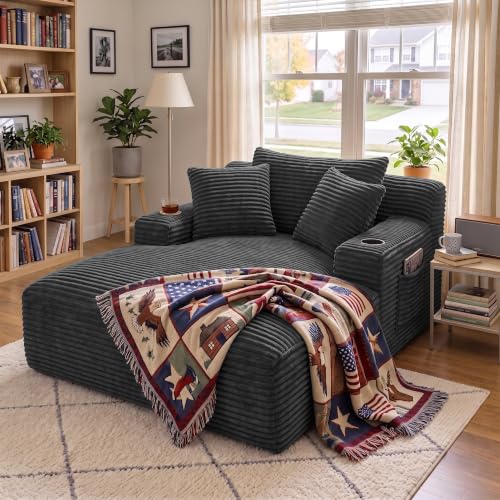
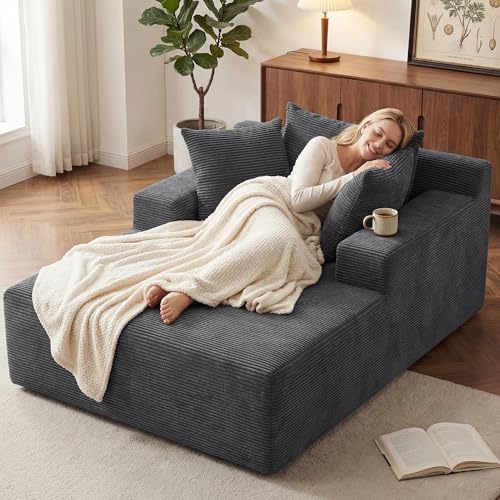
Longer than a standard lounge chair, a chaise supports the legs and encourages full recline. It works best in larger rooms where it can sit perpendicular to a sofa. If you like the elongated form but want outdoor options, our leather chaise lounges overview is a helpful comparison point.
Materials and Upholstery: What Lasts Indoors
Because indoor lounge chairs live in climate-controlled spaces, the main durability factors are abrasion resistance, stain behavior, and frame construction. The table below compares the most common choices using a consistent tier system.
| Material | Tier | Durability | Best For |
|---|---|---|---|
| Polyester or microfiber upholstery | Entry-level | Good for low-traffic rooms | Bedrooms, guest rooms, occasional seating |
| Cotton-linen blend upholstery | Mid-range | Breathable, moderate wear | Living rooms with adults, reading corners |
| Performance fabric (stain-resistant) | Mid-range | High abrasion resistance | Family living rooms, homes with pets |
| Top-grain or full-grain leather | High-end tier | Excellent, ages well | High-traffic living rooms, long-term ownership |
| Solid hardwood frame with premium upholstery | High-end tier | Excellent structural longevity | Primary lounge seating, design-focused interiors |
Frame construction matters as much as the fabric. A kiln-dried hardwood frame with reinforced joints will outlast a particleboard frame in daily use. For a broader comparison of frame materials, our material guide and materials guide cover the trade-offs across furniture categories.
If leather is your preference, our leather lounge chair guide explores grades, finishes, and care in more detail. For upholstered styles, the lounge room chairs overview is a useful companion read.
Ergonomics: How to Judge Comfort Before You Sit
Comfort is not only about softness. Seat height, seat depth, back angle, and arm height all interact to determine whether a chair supports you for a 20-minute read or an hour-long conversation.
Key measurements to check
- Seat height: 16 to 19 inches suits most adults; aim for roughly 17 inches as a baseline.
- Seat depth: 20 to 24 inches; deeper seats suit taller users, while shallower seats help shorter users keep their feet grounded.
- Back angle: a slight recline of 100 to 110 degrees is comfortable for lounging without causing slouching.
- Arm height: arms should support the forearms without lifting the shoulders.
- Weight capacity: check the stated limit, especially for glider and swivel mechanisms.
Try-before-you-buy tip
If shopping online, look for chairs with detailed measurement diagrams and customer reviews that mention user height. A mid-range chair with accurate dimensions often fits better than a higher-tier chair bought blind.
Pair a comfortable chair with a small side table for a drink or book. Our lounge chair with ottoman guide shows how an ottoman extends the lounge experience and supports the legs for longer sessions.
Placement: Where an Indoor Lounge Chair Works Best
Placement determines how often you actually use the chair. A chair that looks beautiful but blocks a walking path quickly becomes storage. The following placements work well in most homes.
Living room corner or reading nook
Angle the chair toward the room's center or a window and add a floor lamp behind the shoulder. This creates a defined zone without the need for walls or room dividers. Our living room lounge chair guide expands on layout options.
Bedroom relaxation corner
Place the chair near a window with a small table for a book and a cup. A high-back chair works well here because it supports the head during longer reads. The bedroom lounge chair guide covers measurement and layout for tight bedrooms.
Home office or study
A lounge chair offers a break from the desk without leaving the room. Choose a chair with a firmer seat and a slightly more upright back angle for focused reading.
Beside a sofa
A pair of lounge chairs facing a sofa creates a conversation grouping. Keep a clear walkway of at least 30 inches between the chair and the coffee table. For related living-room ideas, the lounge room chairs guide and layout chair guide are useful references.
If your home has a covered outdoor living area that connects to an indoor room, consider how indoor and outdoor seating can complement each other. Our lanai patio guide shows how to transition seating between indoor and covered outdoor spaces.
How to Match an Indoor Lounge Chair to Your Existing Furniture
An indoor lounge chair does not need to match a sofa exactly, but it should feel intentional. There are three reliable approaches.
1. Coordinate by scale
A large sofa needs a chair with enough visual weight to hold its own. In smaller rooms, a lighter chair with open legs keeps the space from feeling crowded. Our loveseats with ottoman overview and leather love seat guide show how chairs pair with compact sofas.
2. Coordinate by material or color
Pulling one material or color from the room into the chair creates cohesion. A leather chair can echo a leather sofa, while a fabric chair can pick up a throw pillow color.
3. Use contrast deliberately
A bold accent chair can become the focal point of a neutral room. This works best when the chair's shape is simple and the color is repeated in one or two small accessories.
If you are furnishing a larger seating area, our lounge sets overview and lounge setting guide show how individual chairs integrate into grouped arrangements. For larger lounge forms, the lounger sofa guide and lounger seats overview provide additional comparisons.
Care and Maintenance for Indoor Lounge Chairs
Indoor lounge chairs need less weather protection than outdoor pieces, but regular care keeps upholstery and frames in good condition for years.
- Vacuum upholstery every two weeks to remove dust and grit that abrades fabric fibers.
- Rotate and fluff cushions to distribute wear evenly.
- Spot-clean spills promptly with a mild detergent and a clean cloth.
- Treat leather with a conditioner once or twice a year to prevent drying and cracking.
- Check frame joints and hardware annually and tighten any loose bolts.
- Keep the chair out of direct sun for long periods to slow fabric fading.
If you are also maintaining outdoor seating near your indoor lounge area, our large lounge chair overview covers the care routines that differ between indoor and outdoor materials.
Frequently Asked Questions
What is the best indoor lounge chair for a small living room?
A compact mid-range lounge chair with a high back and slim arms works best in small living rooms. Choose a chair with a footprint of roughly 30 inches wide and 32 inches deep, and prefer light fabrics or open-leg frames to reduce visual weight.
How do I choose between a leather and a fabric indoor lounge chair?
Leather is easier to wipe clean and develops character over time, making it a strong choice for busy households. Fabric offers more color and texture options and feels warmer in cool rooms. Consider a leather lounge chair for high-traffic living rooms and a fabric chair for bedrooms or reading corners.
What seat height should an indoor lounge chair have?
Most indoor lounge chairs have a seat height between 16 and 19 inches from the floor. A seat height near 17 inches suits most adults, while taller users may prefer 18 to 19 inches for easier standing. Always test the seat depth and back angle together with seat height.
Can an indoor lounge chair be used in a bedroom?
Yes. A lounge chair in a bedroom creates a dedicated reading or relaxation corner. Choose a chair with a high back for head support and pair it with a small side table and a floor lamp. Keep the footprint small enough to leave a clear path around the bed.
Find the Right Indoor Lounge Chair
Explore our curated selection of indoor lounge chairs. Compare styles, upholstery options, and frame construction to find the chair that fits your room and your routine.
Explore Options