Layout Chair Guide for Outdoor Spaces
Everything you need to know about choosing, placing, and caring for layout chairs that fit your patio perfectly.
START READINGWhy layout chairs matter: A well-chosen layout chair does more than provide a seat — it anchors the flow of your outdoor room, defines conversation zones, and makes every evening outside feel intentional. This guide walks you through the styles, materials, and placement strategies that turn an empty patio into a functional retreat.
What Is a Layout Chair?
A layout chair is a seating piece designed specifically for outdoor spaces where arrangement and flow matter as much as comfort. Unlike a single accent chair dropped into a corner, a layout chair is selected with the surrounding furniture plan in mind — its footprint, seat height, and orientation all contribute to how a patio or deck functions day to day.
Homeowners researching layout chairs are usually past the "what looks nice" stage. They want to know how a chair will sit beside a dining table, whether it works as a standalone reading spot, and how it holds up through changing seasons. That is exactly the level of detail this guide covers.
In practical terms, a layout chair can take several forms: a deep lounge chair for sunbathing, a compact armchair for a conversation corner, or a folding chair that stores away when the patio needs to open up for a gathering. The common thread is that each type is chosen for how it fits into the larger layout.
Types of Layout Chairs and Where They Fit
Understanding the main categories helps you shortlist the right piece before you start comparing individual models. Each type serves a distinct role in an outdoor layout.
Lounge and Reclining Chairs
These are the chairs built for long afternoons outdoors. They typically feature adjustable backrests, deeper seats, and a lower profile. They work best as the centerpiece of a relaxation zone — paired with a side table and positioned to face a view, a fire feature, or the garden. If your layout prioritizes lounging over dining, this is the category to focus on. You can explore dedicated options in our large lounge chair guide for spacious layouts.
Conversation and Armchairs
Armchairs with upright backs and defined armrests are the backbone of a conversation grouping. Place two to four of them around a low table, and you have an instant social zone. They also work well as secondary seating pulled up to a dining area. For living-room-inspired outdoor setups, the lounge chairs for living room guide covers how to bridge indoor and outdoor comfort.
Folding and Portable Chairs
Folding layout chairs are ideal for patios that need to flex between uses — a quiet morning coffee spot, then a clear deck for a party. Modern folding chairs use aluminum frames and weather-resistant fabrics, so they no longer feel like a compromise. If portability is a priority, our lightweight folding camping chairs in a bag resource is a useful starting point.
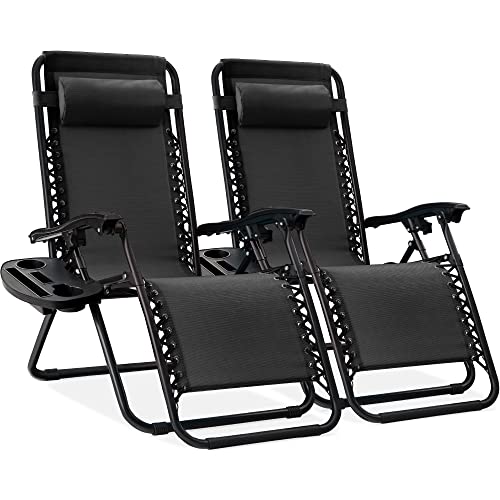
Zero-Gravity and Recliner Chairs
Zero-gravity chairs distribute weight evenly and recline deeply, making them a favorite for recovery and reading. They take up more depth than a standard armchair, so plan their placement carefully. The lightweight zero-gravity chair for camping guide is helpful if you want a recliner that can also travel.
Materials: Matching the Chair to Your Climate
The material of a layout chair determines how it ages, how often you need to maintain it, and how comfortable it stays through the seasons. There is no universal "best" material — only the best fit for your climate and maintenance habits.
Metal Frames (Aluminum and Steel)
Aluminum is lightweight, rust-resistant, and the most common choice for outdoor layout chairs. It is easy to move, which helps when rearranging furniture for different occasions. Steel is heavier and more rigid, often found in high-end tier and commercial-grade pieces, but it requires a rust-proof finish to last. Look for powder-coated surfaces and stainless hardware.
Wood and Wicker
Wood frames — teak, acacia, and eucalyptus — bring warmth and pair naturally with garden settings. They need periodic sealing to stay at their best. Wicker and rattan, whether natural or synthetic, offer a traditional look and are often wrapped over an aluminum frame for structure. Synthetic resin wicker is the more weather-tolerant option for humid or rainy regions.
Fabric and Cushions
Seat fabric is where comfort lives, and it is also the first component to show wear. Solution-dyed acrylics and olefin fabrics resist fading and mildew better than cotton blends. Removable, quick-dry cushions make seasonal storage far easier. If your layout chair will sit in direct sun for most of the day, prioritize UV-resistant covers and consider lighter colors that stay cooler to the touch.
Quick material check
Coastal and humid climates: aluminum or synthetic wicker with solution-dyed fabric. Dry and sunny climates: powder-coated steel or sealed teak, with UV-resistant cushions. Cold winters: lightweight aluminum chairs that can be moved into storage without strain.
How to Plan Your Layout Chair Placement
Placement is where a layout chair earns its name. A comfortable chair in the wrong spot will sit empty; the same chair in the right spot becomes the most-used seat on the patio. Use these principles to plan before you commit.
Measure the Zone, Not Just the Chair
For each layout chair, allow roughly 24 to 30 inches of clearance in front for getting in and out, plus room to pull the chair back. In a conversation grouping, keep chairs within about 8 feet of each other — closer feels intimate, farther feels disconnected.
Follow the Shade
Chairs placed under a pergola or near a large patio umbrella get used far more on hot afternoons. If your patio is fully exposed, consider a layout chair that pairs naturally with a movable shade solution rather than forcing a fixed position.
Create Distinct Zones
Layout chairs are excellent zone markers. Two chairs facing each other with a small table between them create a conversation nook. A single lounge chair angled toward a fire pit creates a relaxation corner. Keep circulation paths clear — about 36 inches wide — so the zones feel separate rather than crowded.
Anchor with a Rug or Table
An outdoor rug visually groups a layout chair with its neighbors, while a side table or coffee table gives the chair a purpose. Chairs floating without an anchor tend to feel temporary. For wider layouts, a large outdoor table can serve as the hub that layout chairs orbit.
Layout Chair Types at a Glance
Use this comparison to match a layout chair style to your space and usage pattern. Tiers describe relative market positioning, not a numeric figure.
| Chair Type | Best For | Tier Positioning | Key Consideration |
|---|---|---|---|
| Basic folding chair | Flexible, storable seating | Entry-level | Check frame weight and fold mechanism |
| Upright armchair | Conversation groupings | Mid-range | Seat height should match nearby tables |
| Deep lounge chair | Relaxation and sunbathing | Mid-tier to premium | Needs more depth; plan clearance |
| Zero-gravity recliner | Reading and recovery | Premium | Verify recline lock and weight rating |
| Designer lounge chair | Statement seating | Luxury | Premium materials and weather coatings |
Layout Chair Buying Checklist
Before you commit to a layout chair, run through these checks. They address the details most buyers only notice after the chair is already on the patio.
- Frame warranty: Look for a warranty that covers structural failure, not just cosmetic issues.
- Weight capacity: Confirm the rating comfortably exceeds the heaviest expected user.
- Cushion attachment: Ties, straps, or hook-and-loop fasteners keep cushions from sliding on windy days.
- Stackability or folding: If your patio is small or seasonal, storage-friendly chairs extend the usable season.
- Assembly requirements: Some chairs ship mostly assembled; others need tools. Check before ordering if assembly is a concern.
- Weather coating: Powder-coated metal and sealed wood last noticeably longer than unfinished alternatives.
If your layout includes multiple seating pieces, cross-check finishes and scale so the chairs read as one intentional set. Our guide to matching outdoor dining and conversation sets explains how to coordinate without buying a full bundle.
Caring for Your Layout Chair
A layout chair that is maintained well can serve for a decade or more. The routine is simple but worth keeping consistent.
- Weekly: Wipe down frames and shake out cushions to prevent moisture buildup.
- Monthly: Check fasteners, tighten bolts, and inspect fabric for early signs of wear.
- Seasonally: Deep-clean cushions according to the fabric care label and apply sealant to wood frames.
- Before winter: Store cushions indoors and cover or move chairs to a sheltered area if your climate freezes.
Small habits prevent big replacements. A cracked weld or a mildew patch caught early is a repair; caught late, it is a new chair. For weather-specific guidance, see our longest lasting outdoor furniture material comparison.
Frequently Asked Questions
What is the difference between a layout chair and a regular patio chair?
A layout chair is chosen for how it fits into the overall arrangement of an outdoor space, while a regular patio chair is often bought as a standalone piece. The distinction is mostly about planning: layout chairs are selected with clearance, sightlines, and grouping in mind.
How many layout chairs fit on a small patio?
A typical small patio can accommodate two to four layout chairs if they are compact armchairs or folding styles. Keep at least 24 inches of walking clearance and avoid overcrowding conversation zones.
Can layout chairs stay outside year-round?
Many aluminum and synthetic wicker chairs can stay outside year-round with covers, but cushions should be stored during wet or freezing months. Wood frames benefit from seasonal sealing and shelter.
What fabric is best for outdoor layout chair cushions?
Solution-dyed acrylic and olefin are the most reliable choices for fade and mildew resistance. Look for removable covers and quick-dry foam for easier maintenance.
Should layout chairs match the dining set?
They do not need to match exactly, but shared finishes, seat heights, and material families help the patio feel cohesive. Coordinating one or two visual elements is usually enough.
Final Thoughts
The right layout chair is the one that fits both your body and your patio plan. Start with the role the chair needs to play — relaxation, conversation, or flexible overflow — then narrow by material, size, and tier. When those three line up, the chair stops being furniture and becomes the spot everyone gravitates toward.
If you are still mapping out the wider space, pair this guide with our lanai patio layout ideas and our large outdoor dining table with umbrella hole guide to build a complete outdoor plan.