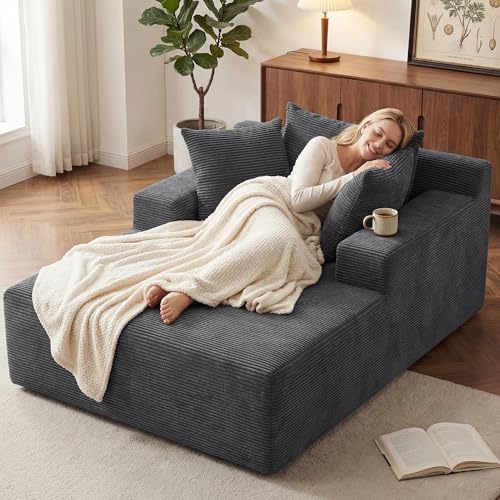
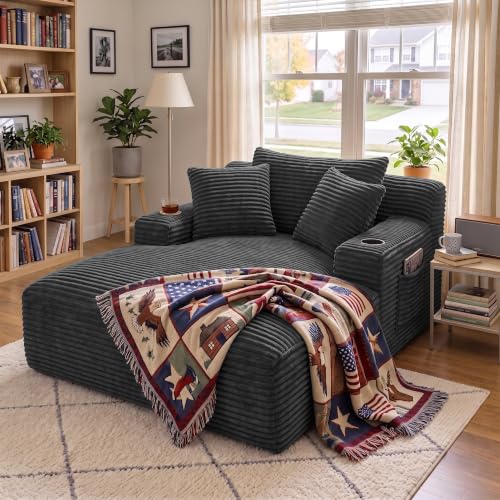
Lounge Chairs for Living Room: The Complete Comfort & Style Guide
Everything you need to know before choosing an indoor lounge chair — from frame construction and upholstery to ergonomics, style pairing, and long-term care.
Start the GuideWhy a lounge chair matters: A well-chosen lounge chair transforms a living room from a place you pass through into a room you actually use. It creates a natural reading corner, anchors a conversation area, and adds a layer of visual interest that a sofa alone cannot provide. This guide is written for homeowners who already know they want a lounge chair and now need clear, trustworthy information to make the right decision — without wading through marketing noise.
If you are still comparing broad seating categories, our lounge chairs overview is a helpful starting point. This page narrows the focus to indoor living room use, where comfort, proportion, and upholstery quality matter most. We also recommend reading our related guide on choosing a living room lounge chair for a complementary perspective on room layout and traffic flow.
A living room lounge chair is different from an outdoor lounger. It lives in a climate-controlled space, sits on hardwood or carpet rather than concrete, and is judged by how it feels after an hour of reading — not how it survives a rainstorm. That distinction drives every recommendation below.
Types of Lounge Chairs for Living Rooms
The first decision is the chair's primary function. A chair meant for reading has different geometry than one meant for conversation or occasional napping. Understanding the archetypes helps you filter the market quickly.
Reading & Accent Chairs
Higher backrests, supportive lumbar cushions, and a slightly reclined seat angle. These are the workhorses of a living room corner and pair well with a floor lamp and side table.
Conversation & Club Chairs
Lower backs and deeper seats encourage relaxed, face-to-face seating. Club chairs are the classic choice for anchoring a sofa-and-two-chairs arrangement.
Recliners & Rockers
Mechanical or power recline adds lounge-like comfort. Manual push-back mechanisms are simpler and lighter; power recline adds convenience but requires nearby power access.
Swivel & Slipper Chairs
Small footprints and swivel bases make these ideal for apartments and open-plan layouts where furniture needs to adapt to different activities.
If your room is tight, our guide to compact lounge chairs for small spaces covers footprint math and visual weight in more detail — the same principles apply to a small living room. For a deeper relaxation focus, the lounger chair guide explores reclined seating geometry.
Frame Materials and Upholstery: What Actually Lasts
The frame determines the chair's lifespan; the upholstery determines how it ages in daily use. Buyers often focus on fabric first, but a beautiful fabric on a weak frame will fail long before the textile does. Prioritize construction, then finish.
For a materials deep-dive beyond this page, see our broader furniture material guide and the materials comparison hub. For leather-specific options, the leather lounge chair guide covers grain types, tanning, and patina behavior in detail.
| Frame Material | Best For | Durability Notes | Care Level |
|---|---|---|---|
| Kiln-dried hardwood (oak, walnut, beech) | Long-term investment pieces | Heavy-duty and resistant to warping; reinforced joinery holds shape for years | Low — dust and occasional polish |
| Engineered wood with hardwood veneer | Mid-range accent chairs | Solid build for the category; avoid prolonged moisture exposure | Low to moderate |
| Powder-coated steel or aluminum | Modern and minimalist designs | Rust-proof finish when coating is intact; lightweight and easy to reposition | Low — wipe with damp cloth |
| Wicker, rattan, or woven resin | Coastal and bohemian interiors | Resin weaves are more weather-tolerant; natural rattan needs humidity control | Moderate |
Upholstery follows the same logic. Performance fabrics and full-grain leather sit at the top-tier for longevity; mid-range woven fabrics balance softness and stain resistance; entry-level microfiber is easy to clean but flattens sooner. Whatever you choose, confirm that the cushion covers are removable or that the fabric has a documented cleaning code.
Comfort and Ergonomics: The Details Buyers Overlook
Comfort is not a single feature — it is the sum of seat height, seat depth, backrest angle, arm height, and cushion density working together. A chair can look plush in a showroom and feel wrong after twenty minutes if the geometry does not match your body.
18–20 inches is the living room standard
A seat height in this range lets most adults sit with feet flat on the floor. Taller users may prefer the upper end; shorter users should look closer to 17–18 inches.
20–24 inches depending on leg length
Deep seats feel luxurious but can leave shorter users unsupported at the back. If depth exceeds 22 inches, look for a lumbar pillow or a chair with a firm back cushion.
100–110 degrees for relaxed sitting
Upright chairs suit conversation; reclined angles suit reading and resting. A mid-range chair with a fixed 105-degree back is a versatile compromise.
Firm enough to recover its shape
High-resilience foam retains loft longer than low-density fill. Pocket-spring or wrapped-foam cushions sit at the premium tier for durability and support.
Practical tip: Before buying, measure the distance from the floor to the back of your knee while seated on your current sofa. That number is your ideal seat height. Pair it with your preferred seat depth and you have a reliable filter for online shopping — no showroom visit required.
Understanding Lounge Chair Tiers
Rather than anchoring decisions to numbers, we classify living room lounge chairs by relative market position. This framing stays useful regardless of when you read it, because it describes capability and construction quality rather than a specific transaction.
| Tier | Construction Signals | Best For |
|---|---|---|
| Starter tier | Engineered wood frame, basic foam, removable covers | First apartments, occasional seating, style experiments |
| Mid-tier | Hardwood frame with reinforced joints, high-resilience foam, performance fabric options | Daily use in family living rooms — the balanced choice for most buyers |
| High-end tier | Kiln-dried hardwood, pocket-spring cushions, full-grain leather or premium wool blends | Long-term investment seating and design-led interiors |
| Flagship / professional-grade | Hand-joined frames, bench-made upholstery, documented heritage construction | Design collectors and spaces where the chair is a centerpiece |
A mid-tier chair typically offers a smoother recline mechanism and better cushion recovery than a starter-tier model, while a high-end tier chair adds measurable longevity in the frame and upholstery. For most living rooms, the balanced tier is where capability and long-term efficiency intersect. If you want to explore indoor seating beyond the lounge category, our indoor lounge chairs collection covers coordinating pieces.
Style Pairing and Room Placement
A lounge chair should relate to the sofa without matching it exactly. Contrast in shape, texture, or color creates the layered look that makes a living room feel designed rather than furnished. A rounded accent chair next to a boxy sofa, or a leather club chair beside a fabric sectional, reads as intentional.
Placement matters as much as the chair itself. Angle the chair slightly toward the sofa to form a conversation triangle, leave at least 30 inches of walkway behind it, and avoid blocking natural light paths. In open-plan homes, a swivel chair is a practical choice because it can pivot between the living zone and an adjacent area. If your living room opens onto a patio, you may also want to coordinate with lounge room chairs for a cohesive indoor-outdoor transition.
For larger living rooms with multiple seating zones, consider pairing your accent chair with a coordinating loveseat and ottoman set or a lounger sofa to create a complete arrangement. If you are furnishing a dedicated relaxation room, the lounge setting guide offers broader layout ideas.
Care and Longevity
Indoor lounge chairs need less maintenance than outdoor furniture, but a few habits extend their life significantly. Rotate cushions every few months to distribute wear evenly, vacuum upholstery on a low setting to remove grit before it abrades fibers, and keep the chair out of direct sunlight if the fabric is not UV-stabilized. Leather benefits from a conditioner once or twice a year; performance fabrics generally need only mild soap and water.
Check frame joints annually. A loose bolt or a small crack caught early is a minor repair; ignored, it becomes a structural problem. If you are comparing longevity across furniture categories, our guide to the longest-lasting furniture materials offers useful context on construction quality, even though it focuses on outdoor pieces.
Frequently Asked Questions
What is the ideal lounge chair for a small living room?
A mid-range accent chair with a compact footprint and a swivel base works well in small living rooms because it adds seating without blocking sight lines. Look for models with slim arms and a light visual profile.
Which material is best for a living room lounge chair?
Leather and high-grade fabric are both excellent choices. Leather is easy to clean and develops a rich patina over time, while performance fabric offers stain resistance and a softer hand feel. For long-term durability, choose a hardwood frame with reinforced joinery.
How do I know if a lounge chair is comfortable?
Comfort comes from proper seat depth, supportive cushion density, and a backrest angle between 100 and 110 degrees. Sit in the chair if possible; otherwise, check that the seat depth matches your leg length and that the cushion is firm enough to hold its shape.
Should a lounge chair match the sofa?
Not necessarily. Coordinating through scale, color family, or material texture usually looks better than an exact match. Contrast in shape and finish adds depth to the room.
How much space should I leave around a lounge chair?
Leave roughly 30 inches of walkway behind or beside the chair, and keep at least 18 inches between the chair and a coffee table so legs have room to move when someone stands up.
Ready to Choose Your Living Room Lounge Chair?
Use the criteria above as your checklist — frame first, then upholstery, then comfort geometry, then style. When you are ready to compare specific models, explore our curated selection below.
Explore Recommended Chairs