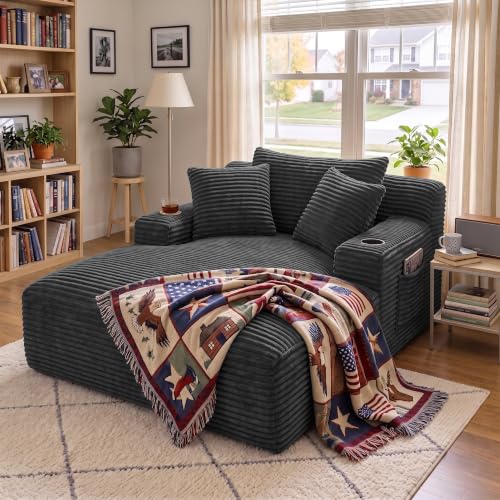
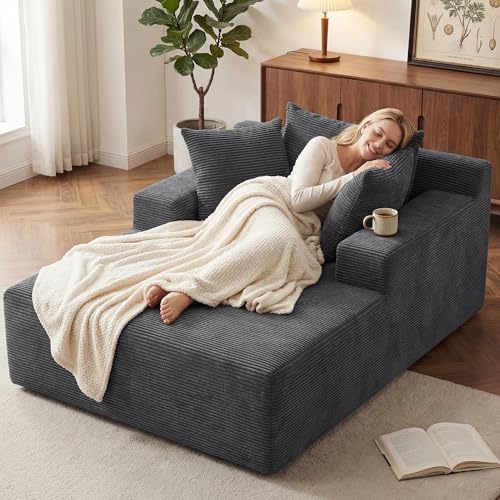
What Exactly Is a Lounger Sofa?
A lounger sofa bridges the gap between a traditional outdoor sofa and a chaise lounge. It typically features a deeper seat profile, a gently reclined backrest, and often includes adjustable or modular components. The goal is simple: to let you stretch out, read, nap, or entertain without sacrificing the sociable footprint of a sofa. You will find these pieces in a range of configurations, from two-seaters to sprawling sectional layouts.
When shopping, pay attention to the term "lounger sofa" versus similar categories. A lounger chair is built for one, while a lounge sofa bed adds sleep functionality. If your priority is pure relaxation for multiple people, a dedicated lounger sofa is the sweet spot. For those who love to soak up the sun, you might also consider a lounge chair for tanning as a complementary piece.
Key Comfort Features to Evaluate
Seat Depth and Backrest Angle
The defining trait of a lounger sofa is generous seat depth—usually 28 to 34 inches. This allows you to sit cross-legged or recline fully. Backrests are often angled between 100 and 110 degrees, though premium models offer multi-position adjustments. Test the angle if possible; a too-upright back defeats the lounging purpose, while an overly reclined back can make conversation awkward.
Cushion Quality and Support
High-density foam wrapped in polyester fiber is the standard for balanced support. For a truly plush feel, look for cushions with a memory-foam core or a layered foam design. Quick-dry reticulated foam is essential for outdoor use—it allows water to pass through and prevents mildew. Removable, washable covers are a practical bonus.
Adjustability and Modularity
Some lounger sofas feature adjustable backrests that flip between upright, recline, and flat positions. Others use modular ottomans or chaise extensions that can be repositioned. If you frequently host gatherings, a modular design offers flexibility. For solo relaxation, a fixed recline with a built-in footrest may be all you need.
Materials That Matter: Frame and Fabric
Frame Construction
The frame dictates durability and weight. Powder-coated aluminum is the gold standard for outdoor lounger sofas: it is lightweight, rust-proof, and weather-resistant. High-grade steel is heavier and extremely strong but requires a robust rust-proof finish. Teak and other hardwoods offer timeless beauty and natural weather resistance, though they demand periodic sealing. Wicker and rattan—whether natural or synthetic resin—provide a classic look; synthetic versions are far more durable outdoors.
If long-term resilience is your top concern, explore our guide to the longest-lasting outdoor furniture material. It compares aluminum, teak, and high-density polyethylene in detail.
Upholstery and Weather Resistance
Solution-dyed acrylic fabrics (like Sunbrella) are the benchmark for fade resistance and water repellency. Olefin and polyester blends are solid mid-range options, while PVC-coated mesh is common on budget-friendly pieces. Always check for UV resistance ratings and mold-resistant treatments.
Size and Space Planning
Measure your patio or deck before committing. A two-seat lounger sofa typically spans 60 to 72 inches, while three-seat models run 80 to 96 inches. Leave at least 18 inches of clearance around the sofa for easy movement and 36 inches for main walkways. If your outdoor area is compact, a small patio layout guide can help you maximize every inch.
Consider the visual weight of the piece. A lounge set outdoor often pairs a lounger sofa with matching chairs and a coffee table, creating a cohesive conversation zone. For larger spaces, a large sectional couch that turns into a bed can serve double duty for overnight guests.
Comparing Lounger Sofa Tiers
To help you navigate the market without relying on numeric figures, here is a tier-based comparison. Use this framework to align your expectations with construction quality and features.
| Tier | Best For | Typical Characteristics |
|---|---|---|
| Entry-Level | Occasional use, balconies, starter outdoor spaces | Steel or basic aluminum frame, polyester cushions, limited adjustability. Solid for seasonal use with proper care. |
| Mid-Range | Regular family use, covered patios | Powder-coated aluminum, solution-dyed acrylic cushions, modular or adjustable backrests. Balanced durability and comfort. |
| Premium | Frequent entertaining, full sun exposure | Heavy-duty aluminum or teak frame, high-density quick-dry foam, reinforced stitching, multi-position recline. |
| Luxury / Commercial-Grade | Year-round outdoor living, hospitality settings | Marine-grade materials, custom upholstery, precision joinery, engineered for extreme weather and heavy use. |
A mid-range model often delivers the best balance for most homeowners, offering a noticeable step up in cushion comfort and frame longevity compared to entry-level options. For a deeper look at premium construction, see our luxury outdoor furniture overview.
Placement and Styling Ideas
Where you place your lounger sofa shapes how you use it. Facing a fire pit creates a cozy evening retreat. Oriented toward a view—garden, pool, or sunset—it becomes a meditation spot. Pair it with a large outdoor umbrella for shade, or define the zone with an outdoor rug.
For a cohesive look, match your lounger sofa with complementary pieces like a lounge chair with ottoman or a loveseat with ottoman. If you are designing a full outdoor room, our lounge setting guide offers layout inspiration.
Maintenance and Longevity Tips
- Clean frames regularly: Wipe aluminum and steel with a mild soap solution; rinse and dry thoroughly.
- Protect cushions: Use waterproof outdoor cushion storage during off-season or heavy rain.
- Invest in covers: A patio furniture cover shields your lounger sofa from UV rays, pollen, and debris.
- Store in winter: If possible, move cushions indoors and cover the frame to prevent frost damage.
Pro Tip: Before finalizing your purchase, verify the warranty coverage for frame and fabric separately. Premium tiers often include multi-year warranties on frames, which signals confidence in long-term durability.
Frequently Asked Questions
Can a lounger sofa stay outside year-round?
Yes, provided it is constructed from weather-resistant materials like powder-coated aluminum and solution-dyed acrylic. In extreme climates, covering or storing cushions during harsh months is recommended.
How do I choose between a lounger sofa and a sectional?
A lounger sofa emphasizes deep, reclined seating for relaxation, while a sectional prioritizes seating capacity and conversational layout. If you want both, look for modular lounger sectionals with adjustable backrests.
What is the ideal seat height for a lounger sofa?
Seat heights between 16 and 18 inches suit most adults comfortably. Lower profiles (14–16 inches) feel more lounge-like but may be harder to get up from for some users.