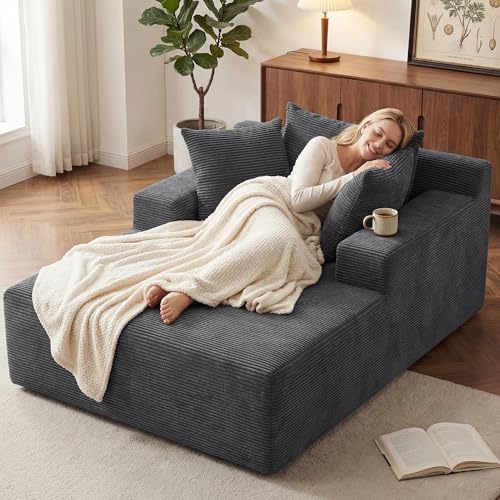
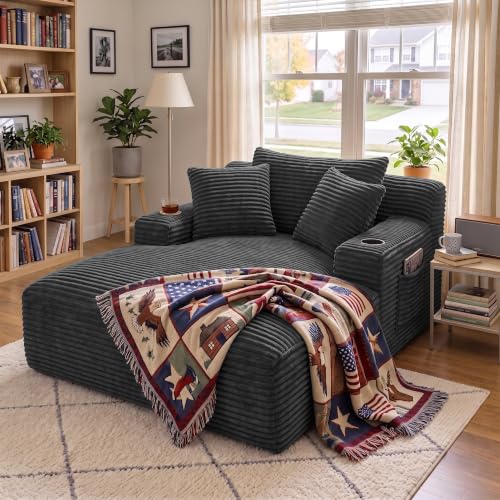
Lounge Room Chairs: The Complete Buying Guide
Your lounge room deserves seating that blends comfort, style, and durability. This guide walks you through every consideration — from frame materials and upholstery to ergonomics and layout — so you can choose with total confidence.
Explore Top PicksWhy this guide matters: A lounge chair is more than furniture — it is where you unwind after a long day, host conversations, and anchor the visual identity of your living space. Buyers who understand frame construction, upholstery grades, and ergonomic fit make better long-term decisions. Below, we break down the criteria professionals use, compare tier levels, and highlight what to check before you commit.
What Defines a Great Lounge Room Chair?
A lounge chair must balance three core dimensions: structural integrity, ergonomic support, and aesthetic cohesion. Structural integrity depends on the frame — solid hardwood and high-grade steel offer the most longevity, while engineered wood and aluminum serve mid-range and lightweight applications well. Ergonomic support hinges on seat depth, back angle, and armrest height; a well-designed chair distributes weight evenly and encourages a relaxed, reclined posture without strain. Aesthetic cohesion ties the piece to your existing decor through upholstery texture, color, and silhouette.
Frame Construction
Solid kiln-dried hardwood and welded steel frames resist warping and wobble. Entry-level models often use engineered wood or thinner aluminum — adequate for light use, but less resilient over time.
Upholstery Quality
Look for tight, even stitching and high-density foam cores. Performance fabrics resist staining and fading; genuine leather develops character with age but requires conditioning.
Ergonomic Fit
Seat height should let your feet rest flat; back angle between 100–110 degrees supports relaxed reading. Deep seats suit taller users, while shallower seats favor compact spaces.
Weight Capacity & Stability
Check the stated weight rating and test for side-to-side sway. A wide base or splayed legs improve stability, especially on hardwood floors or thick carpet.
Easy Maintenance
Removable, washable covers simplify care. Leather wipes clean but needs periodic conditioning. Fabric blends with stain guards are a practical middle ground for busy households.
Space & Scale
Measure your room and traffic paths first. A chair that overwhelms a small lounge room disrupts flow; a too-small chair can look lost in a large open-plan space.
Popular Lounge Room Chair Styles
Style influences both comfort and room layout. Here are the most common archetypes and what each does best:
- Accent Chair — A sculptural piece that adds color or texture. Often used as a focal point; best paired with neutral sofas.
- Recliner — Prioritizes relaxation with adjustable back and footrest. Ideal for media rooms and reading corners; requires clearance behind for recline.
- Club Chair — Deep, low, and generously padded. Classic and cozy; suits traditional and transitional interiors.
- Wingback Chair — High back with side wings that block drafts and frame the sitter. A natural fit for reading nooks.
- Slipper Chair — Armless and compact. Slides easily into tight corners and works well as secondary seating.
- Chaise Lounge — Elongated seat for full-leg support. A statement piece for spacious lounge rooms and bay windows.
- Swivel Chair — Rotates 360 degrees; great for open-plan spaces where conversation direction shifts.
For a deeper dive into specific categories, explore our guides on living room lounge chairs, lounge chairs for living rooms, and leather lounge chairs. If you are furnishing a bedroom corner, see lounge chairs for bedrooms.
Materials & Upholstery: What Lasts
Material choice is the single biggest predictor of longevity. Use this breakdown to match materials to your household's needs:
| Material | Durability | Best For | Maintenance |
|---|---|---|---|
| Genuine Leather | Excellent — develops patina, resists cracking with care | High-traffic lounges, classic interiors | Condition every 6–12 months |
| Performance Fabric (polyester blend) | Very good — stain-resistant, colorfast | Families, pet owners, sunlit rooms | Spot clean; removable covers machine-washable |
| Linen & Cotton Blends | Good — breathable but prone to creasing | Low-traffic, temperature-controlled spaces | Professional cleaning recommended |
| Velvet | Good — luxurious hand-feel, attracts lint | Formal lounges, accent seating | Vacuum regularly; blot spills immediately |
| Faux Leather (PU/PVC) | Moderate — can peel over time | Entry-level and mid-range pieces | Wipe with damp cloth |
Frame materials follow a similar hierarchy: solid hardwood and high-grade steel sit at the top for structural longevity, while plywood and aluminum serve mid-range builds. For a broader comparison, see our longest-lasting furniture material guide and materials guide.
Tier Comparison: Entry-Level to Luxury
Rather than thinking in absolute figures, classify lounge chairs by their market position. Each tier delivers a distinct balance of materials, craftsmanship, and longevity:
| Tier | Typical Construction | Best For | Longevity Outlook |
|---|---|---|---|
| Entry-Level | Engineered wood frame, PU upholstery, basic foam | Guest rooms, short-term furnishing, light use | Short to medium term |
| Mid-Range | Hardwood or aluminum frame, performance fabric, denser foam | Everyday family lounges, balanced tier buyers | Medium to long term |
| Premium | Kiln-dried hardwood, full-grain leather or high-grade fabric, reinforced joinery | Primary living spaces, design-conscious households | Long term |
| Luxury | Hand-finished hardwood, top-grain leather, artisan upholstery, commercial-grade foam | Statement interiors, professional-grade comfort expectations | Decades with care |
Mid-range models typically offer smoother recline mechanisms and better cushion retention than entry-level pieces. Premium and luxury tiers justify their position through joinery quality, upholstery grade, and after-sales support.
Ready to Choose Your Lounge Room Chair?
Browse our curated selection of lounge room chairs across every tier. Compare features, read specifications, and find the piece that fits your space and lifestyle.
See Recommended ChairsSizing & Layout: Getting the Fit Right
Even an excellent chair can feel wrong if it does not fit the room. Follow these layout rules:
- Measure traffic paths: Leave at least 30 inches (76 cm) for walkways between furniture pieces.
- Anchor to a focal point: Angle chairs toward a fireplace, window, or TV; a 30–45 degree angle often feels most natural.
- Pair with a side table: A table within arm's reach — roughly 18–24 inches from the chair — completes the seating zone.
- Consider a rug: A rug defines the conversation area and helps smaller chairs feel grounded in open-plan rooms.
- Test recliner clearance: Reclining models need 6–12 inches of space behind the backrest.
For related layout inspiration, see our guides on the living room and lounge setting.
Comfort Checklist Before You Buy
Use this checklist to evaluate any lounge room chair — whether shopping online or in person:
- Seat depth allows your back to touch the backrest while feet stay flat on the floor.
- Armrests sit at a height that supports your forearms without hunching shoulders.
- Cushion foam rebounds quickly when pressed — slow rebound signals low density.
- Frame feels rigid with no creaking or sway when you shift weight.
- Upholstery stitching is tight, even, and free of loose threads.
- Legs have floor protectors or felt pads to prevent scratching.
- Weight rating meets or exceeds your household's needs.
- Return policy allows inspection and trial in your home.
Pairing with Ottomans & Accessories
A lounge chair rarely stands alone. Pairing it with an ottoman transforms it into a recliner-like experience without the mechanical complexity. Our guide to the lounge chair with ottoman covers sizing and style matching. If you prefer a coordinated set, explore lounger seats and lounger furniture.
Other complementary pieces worth considering: lounge sofa beds for guest flexibility, loveseats with ottomans for paired seating, and indoor lounge chairs for a consistent design language throughout the home.
Frequently Asked Questions
What is the difference between a lounge chair and an accent chair?
A lounge chair is designed primarily for relaxation — deeper seats, reclined back angles, and often padded armrests. An accent chair prioritizes visual impact and may be less generous in comfort. Many modern designs blur the line, so evaluate based on your intended use.
How do I choose between leather and fabric upholstery?
Leather is more durable and easier to wipe clean but requires conditioning and can feel cool initially. Fabric offers warmth, breathability, and more color options; performance fabrics now rival leather for stain resistance. Choose leather for high-traffic formal rooms and performance fabric for family spaces.
What weight capacity should I look for?
Standard lounge chairs support 250–300 lbs (113–136 kg). Heavy-duty and commercial-grade models are rated higher. Always check the manufacturer's stated rating and consider the frame material — steel and hardwood frames handle higher loads with less flex.
Can a lounge room chair work in a small apartment?
Yes. Slipper chairs, swivel chairs, and compact club chairs fit well in tight spaces. Prioritize armless designs and measure your traffic paths carefully. A chair with a small footprint but a deep seat can deliver comfort without dominating the room.
How do I maintain upholstery over time?
Vacuum fabric weekly with a soft brush attachment. Blot spills immediately with a clean cloth — never rub. Rotate and fluff cushions monthly to distribute wear. For leather, wipe with a damp cloth and apply conditioner every 6–12 months. Keep chairs out of direct sunlight to prevent fading.
Should I buy a recliner or a stationary lounge chair?
Recliners suit media rooms and reading corners where adjustable posture matters. Stationary chairs are simpler, more durable (fewer mechanisms to fail), and easier to place in tight layouts. If space allows and relaxation is the priority, a recliner is worthwhile; otherwise, a well-cushioned stationary chair with an ottoman offers similar comfort.
Related Reading
Broaden your research with these related guides:
- Lounge chairs — our full category overview.
- Large lounge chairs — for spacious rooms and taller users.
- Leather lounge chairs — material deep dive.
- Living room lounge chairs — styling and placement.
- Lounge chairs for bedrooms — compact comfort solutions.
- Lounger chairs — reclined comfort explained.
- Lounge room chairs — this guide.