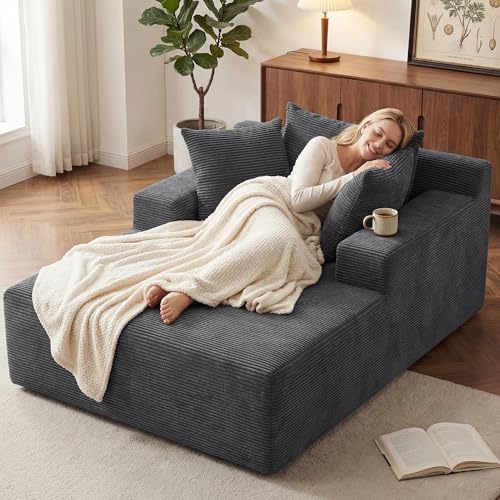
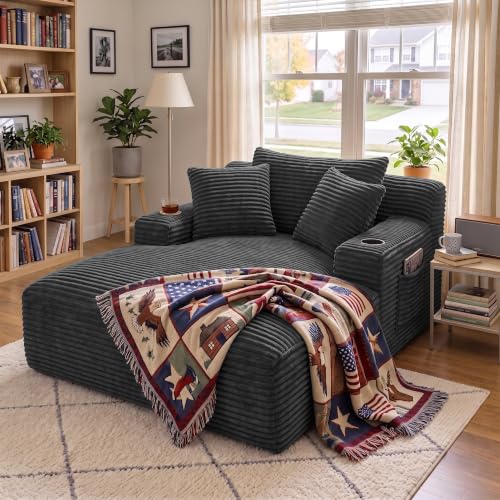
Lounge Chair for Bedroom: The Complete Indoor Seating Guide
Everything you need to choose a comfortable, stylish bedroom lounge chair — sizing, materials, styles, and practical buying advice for a restful private retreat.
Why a bedroom lounge chair matters: A bedroom should be more than a place to sleep. Adding a well-chosen lounge chair creates a dedicated corner for reading, dressing, morning coffee, or simply unwinding before bed. This guide walks you through every decision point so you can select a chair that fits your space, your body, and your lifestyle.
Why Add a Lounge Chair to Your Bedroom?
Most bedrooms have an awkward corner, an empty wall section, or a window that receives lovely morning light but no seating. A bedroom lounge chair transforms that leftover area into a functional zone without the footprint of a full sofa. Unlike living room furniture, bedroom seating is personal — it should feel soft, quiet, and inviting rather than formal or high-traffic oriented.
Beyond aesthetics, a dedicated chair supports better bedtime routines. Instead of scrolling in bed, you can sit upright for a chapter of a book, lay out tomorrow's outfit, or enjoy a quiet phone call. Interior designers consistently recommend at least one upholstered seat in a primary bedroom for both visual balance and daily practicality. If your bedroom opens onto outdoor space, you may also appreciate the transition between indoor and covered seating — our lanai patio guide covers how to blend the two zones seamlessly.
How to Choose the Right Lounge Chair for Your Bedroom
Before browsing styles, work through the practical constraints. A chair that looks beautiful online but crowds your walking path or blocks a closet door will quickly become a nuisance. Use the checklist below to narrow your options.
Measure the Footprint
Mark the chair's dimensions on the floor with painter's tape. Leave at least 24 inches of clear walking space around it and confirm closet and dresser doors open freely.
Check the Seat Height
For comfortable reading, the seat should let your feet rest flat with knees at roughly 90 degrees. Standard lounge chairs sit lower than dining chairs.
Consider the Back Angle
A slight recline supports relaxation; a fully upright back suits dressing and conversation. Match the angle to how you plan to use the chair most.
Plan for Light & Flow
Place the chair near a window for natural reading light, or angle it toward the bed to create a conversation zone rather than pushing it against a wall.
If your bedroom is tight on floor area, consider a compact slipper chair or a swivel accent chair rather than a full-size recliner. If you have room to spare, a chaise-style lounge or an ottoman pairing creates a true relaxation station — our guide to a lounge chair with ottoman explains how the pairing changes comfort and footprint.
Popular Styles for Bedroom Lounge Chairs
Bedroom seating tends to lean toward softer, more decorative silhouettes than outdoor or family-room furniture. Here are the styles that work best in a private retreat, grouped by the feel they create.
| Style | Best For | Character |
|---|---|---|
| Upholstered Accent Chair | Reading corners, small bedrooms | Soft, versatile, easy to coordinate with bedding |
| Wingback Chair | Cozy nooks, classic interiors | Enveloping, private, traditional |
| Swivel Chair | Flexible layouts, dressing areas | Playful, space-efficient, modern |
| Chaise Lounge | Spacious bedrooms, window walls | Relaxed, luxurious, recline-friendly |
| Slipper Chair | Tight corners, under windows | Compact, armless, understated |
Material choice matters as much as silhouette. Upholstered fabric chairs feel warmer and quieter, which suits bedrooms well; leather chairs offer easy cleaning and a refined look but can feel cooler in the morning. If you love the leather aesthetic, compare options in our leather lounge chair overview. For a thorough walkthrough of frame and fabric durability, the material guide is a useful companion read.
Bedroom Lounge Chair vs Other Indoor Seating
Buyers often compare a bedroom chair with living room seating. The priorities differ: a living room chair must withstand daily family traffic, while a bedroom chair prioritizes personal comfort and aesthetics. A bedroom chair is usually used by one person, so plush cushioning and softer fabrics are acceptable and even desirable.
That said, the boundary is not absolute. Many people use the same chair in both rooms — a comfortable living room lounge chair can work beautifully in a bedroom with a throw and a side table. If you are furnishing a sitting area adjacent to the bedroom, our lounge chairs for living room collection offers broader, more durable options.
Sizing and Placement Tips
The most common mistake is buying a chair that is visually too large for the room or too small for the user. Use these placement guidelines to avoid regret:
- Corner placement: Angle the chair 45 degrees across a corner to soften the room's geometry and create an intimate reading spot.
- Window placement: Position the chair perpendicular to the window so light falls over your shoulder, not directly into your eyes.
- Bed-facing placement: A chair facing the foot of the bed creates a natural conversation zone and balances the visual weight of the mattress.
- Dressing area: A swivel or slipper chair near a mirror or closet works like a compact vanity seat.
Leave enough clearance to open drawers and closet doors without moving the chair. If you also plan to add a small side table for a lamp or a cup, factor in another 16 to 20 inches of width.
Upholstery and Care Considerations
Bedroom chairs see less sun and rain than patio furniture, but they still accumulate dust, pet hair, and occasional spills. Choose a fabric with a tight weave and a removable, washable cover if you have pets or children. Performance fabrics resist staining without feeling stiff, while velvet and bouclé add tactile warmth but demand more careful maintenance.
For frame construction, solid hardwood and kiln-dried wood outperform particle board over the long term. If you want a chair that will last for many years, look for reinforced joinery and a manufacturer warranty that covers the frame. High-end and luxury outdoor furniture brands often apply the same construction standards to their indoor collections, which is a useful benchmark when comparing quality tiers.
Coordinating Your Bedroom Look
A lounge chair should feel intentional rather than dropped in. Pull one color from your bedding or rug and repeat it in the chair upholstery, or choose a neutral tone and add contrast through a throw pillow. If your bedroom leans minimalist, a single sculptural chair can serve as the visual anchor of the room; in a layered, traditional space, a wingback or rolled-arm chair complements patterned textiles.
Lighting completes the corner. A floor lamp behind the chair or a small table lamp beside it makes the seat usable after sunset. Pairing the chair with a narrow console or side table keeps essentials close without cluttering the room.
Common Mistakes to Avoid
- Ignoring the walkway: A chair that blocks the path from bed to bathroom will be moved or resented.
- Buying online without checking seat depth: Seat depth varies widely; measure your favorite armchair at home as a reference.
- Choosing style over support: Low-density foam cushions flatten quickly; prioritize supportive, high-resilience filling.
- Forgetting the return policy: Indoor upholstered furniture is bulky to return — confirm the policy before ordering.
Frequently Asked Questions
What size lounge chair fits a small bedroom?
A slipper chair or compact accent chair with a footprint under roughly 30 inches wide works well in small bedrooms. Measure the available corner and keep at least two feet of walking clearance.
Is a leather or fabric lounge chair better for a bedroom?
Fabric feels warmer and absorbs sound, which suits bedrooms. Leather is easier to wipe clean and ages gracefully but can feel cool. Both work if the frame and cushioning are supportive.
Can I use an outdoor lounge chair inside the bedroom?
Generally no — outdoor frames and fabrics are designed for weather exposure, not indoor comfort. Choose a chair purpose-built for indoor upholstery unless the piece is explicitly rated for both environments.
How do I clean a bedroom lounge chair?
Vacuum weekly with an upholstery attachment, spot-clean spills promptly with a mild detergent solution, and check the care tag before using any specialized cleaner. Removable covers simplify deep cleaning.
Should a bedroom lounge chair match the bed frame?
Not necessarily. Coordinating through color, wood tone, or fabric texture is enough. Exact matching can look staged; subtle contrast often feels more designer-curated.